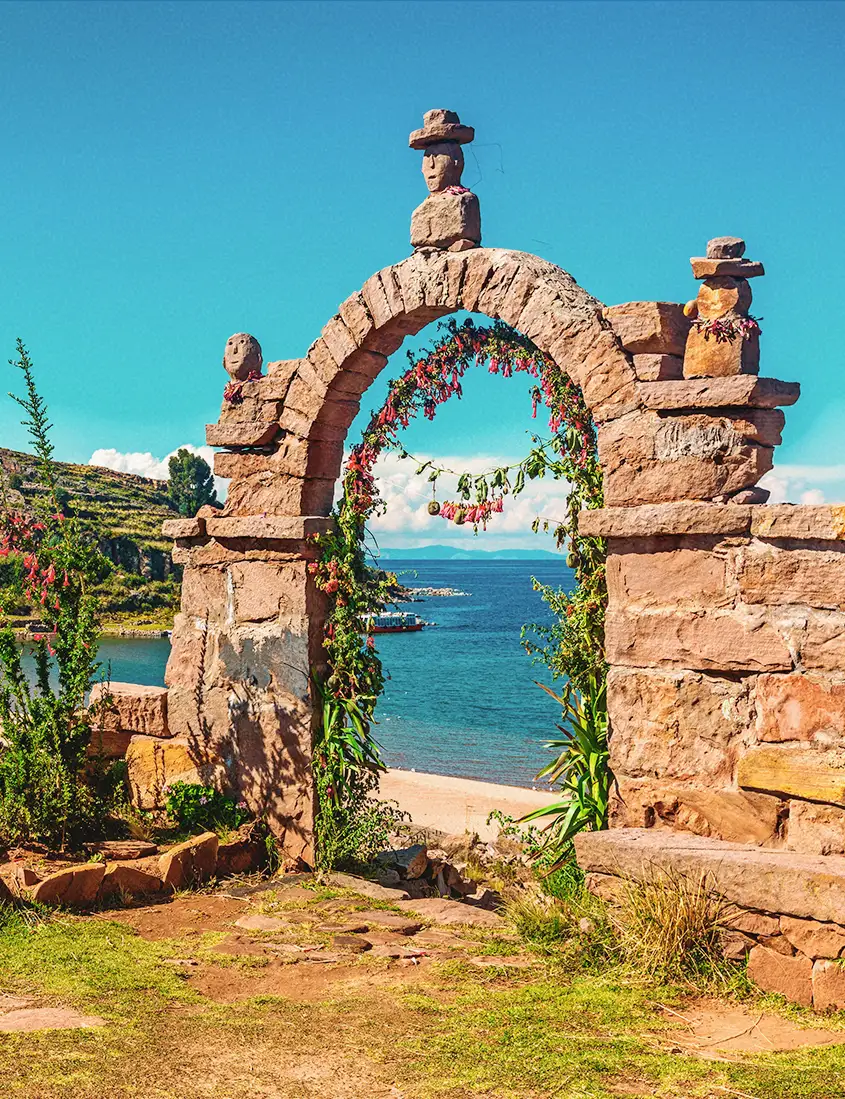


Cradled in the Andes at over 3,800 meters, Lake Titicaca is South America’s largest lake and the world’s highest navigable body of water. Straddling Peru and Bolivia, its deep-blue waters are home to floating reed islands, ancient legends, and vibrant cultures. From the folkloric city of Puno to the quiet shores of Taquile and Amantaní, the lake offers an unforgettable glimpse into Andean life.
 5 Stars - Based on 552 Client
Reviews
5 Stars - Based on 552 Client
Reviews

Every itinerary is designed by local specialists who know the land, the culture, and the details that make a trip unforgettable. Enjoy authentic service and real value - no middlemen.
Reserve your adventure with just a 25% deposit and pay the rest upon arrival in Peru. Postpone your trip for free up to 30 days before the start date!

Local Business

Sustainable

Small Groups

Experienced Team

Didn't find the tour you were looking for? Don't worry! We are experts at building custom tours and treks in Cusco and throughout Peru. Just contact us, tell us about the tour you'd like and let us do the rest..
Get in Touch
Choose one of our curated trips or reach out with your ideas. We’ll respond within one business day to start planning your adventure.
Personalize Your Journey
Your travel advisor works with you to customize every detail, creating a trip that matches your pace, interests, and travel style.
Travel With Confidence
From the moment you arrive to your final farewell, we handle all the logistics. Relax and immerse yourself— We take care of the rest.
We thoughtfully design each Lake Titicaca journey to offer more than just sightseeing. Whether you're exploring the Peruvian side from Puno or crossing into Bolivia to visit Copacabana and Isla del Sol, we time each visit to avoid the crowds and maximize meaningful moments. Our routes blend must-see highlights—like Uros and Taquile—with lesser-known communities and cultural experiences. You won’t just skim the surface—you’ll have time to slow down, connect, and truly experience life on the world’s highest navigable lake.
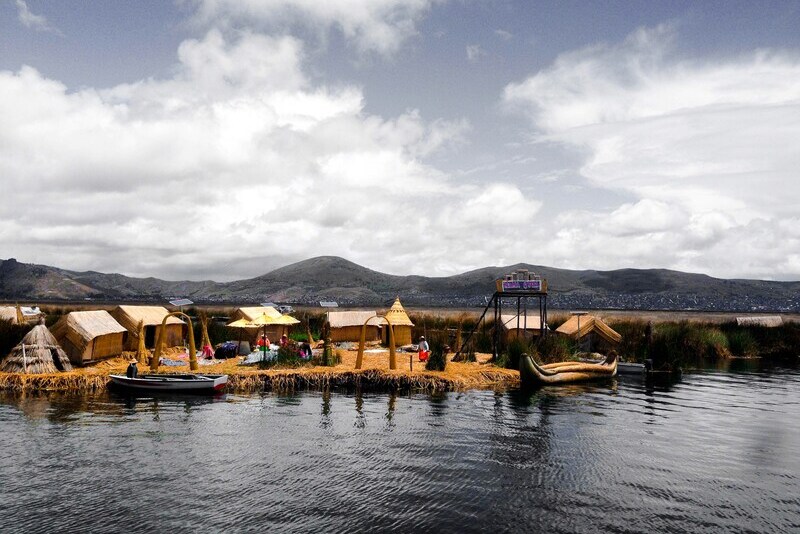
The cultural heart of Lake Titicaca on the Peruvian side. Puno is the starting point for visiting the Uros Floating Islands, Taquile, and Amantaní, where centuries-old traditions live on. It’s ideal for travelers seeking immersive community tourism, local festivals, and convenient access from Cusco or Arequipa.
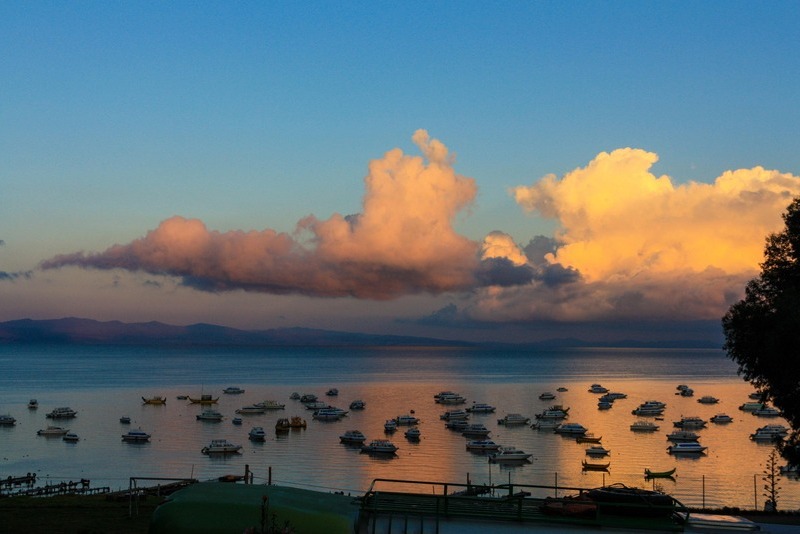
This laid-back lakeside town offers stunning views, colorful shrines, and a slower rhythm. Copacabana is the perfect base to explore Bolivia’s side of the lake—especially the sacred Isla del Sol and Isla de la Luna. Great for travelers interested in Inca mythology, tranquil hikes, and spiritual landscapes.
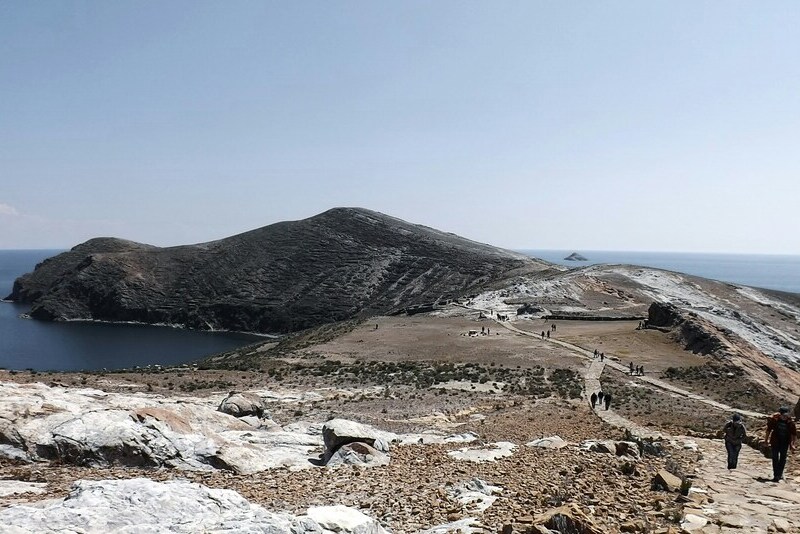
Located in Bolivia, Isla del Sol is the legendary birthplace of the Inca sun god. With no cars and only walking trails, it offers ancient ruins, terraced hillsides, and serene lake views—perfect for those seeking history and tranquility.
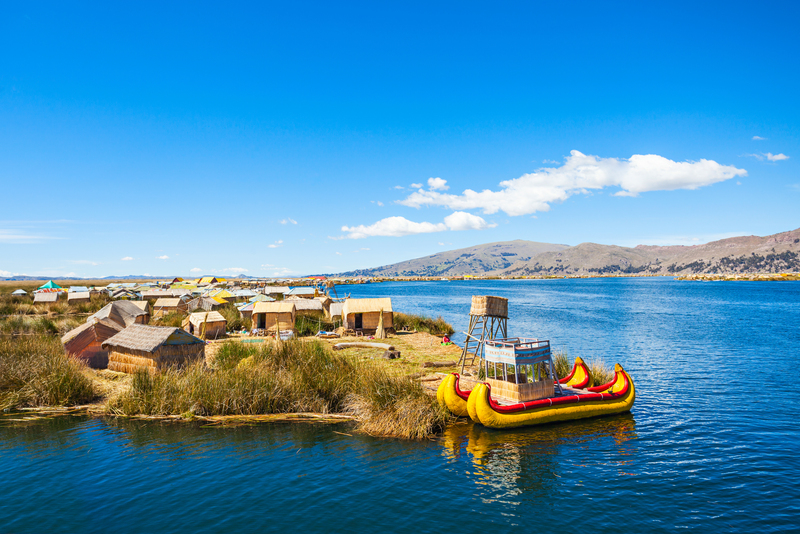
Located 30 minutes from the Port of Puno, these man-made islands are built from totora reeds by the ancient Uros community. Visitors can learn about their traditional way of life, including fishing, hunting, reed island construction, and wool textiles.
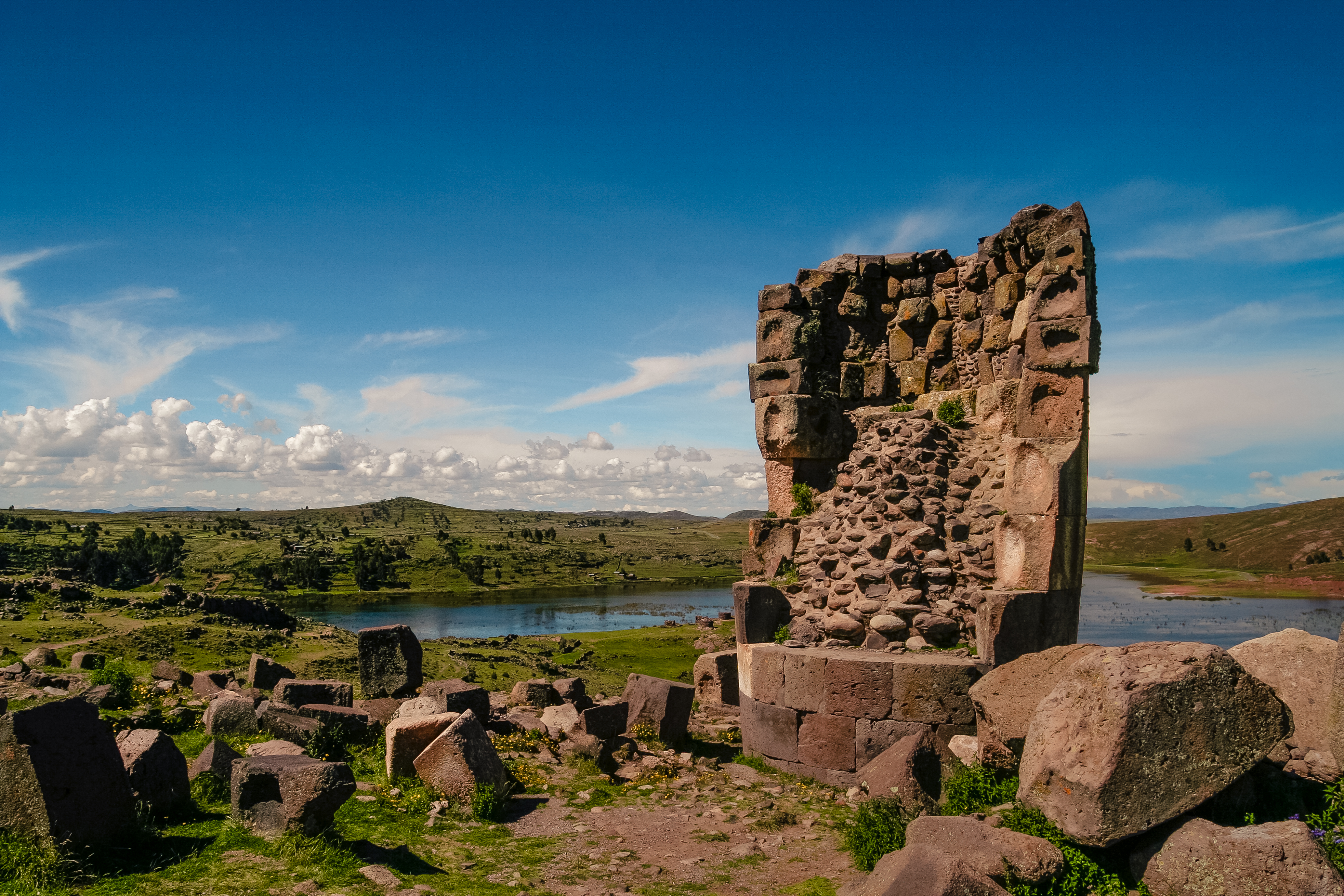
About 30 minutes from Puno near Umayo Lagoon, Sillustani is home to chullpas—ancient, cone-shaped funerary towers built by the Kolla culture. These 90 stone structures once held the remains and treasures of important leaders, including gold, silver, and ceramics.
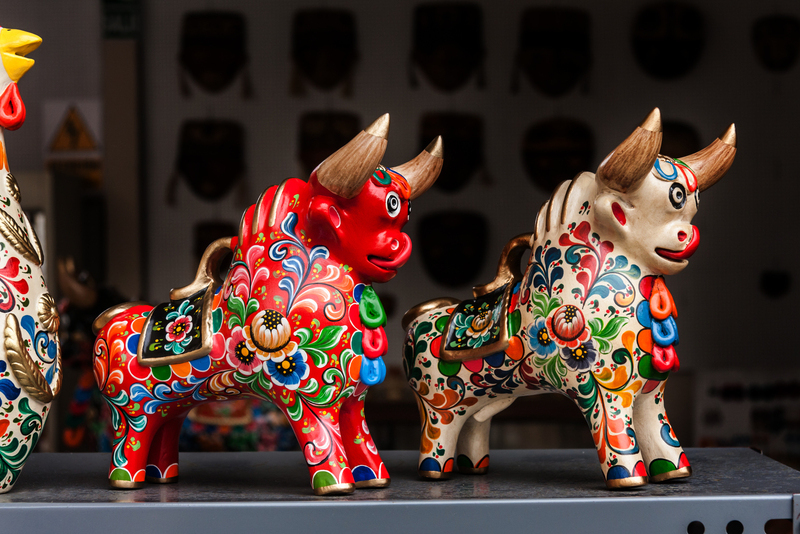
In northern Puno, Pucará is known for its pottery—especially the Toritos de Pucará, small bull-shaped ceramics symbolizing protection, prosperity, and fertility. These iconic figures are often seen on rooftops throughout the region and reflect local tradition and identity.
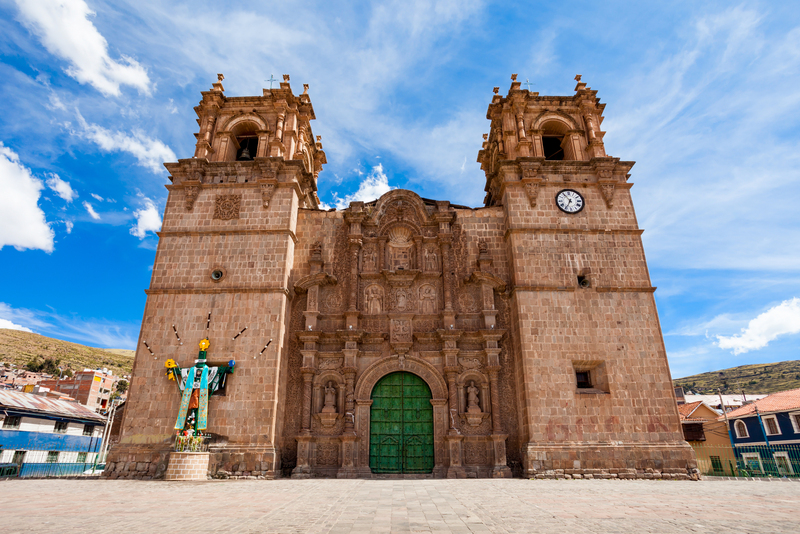
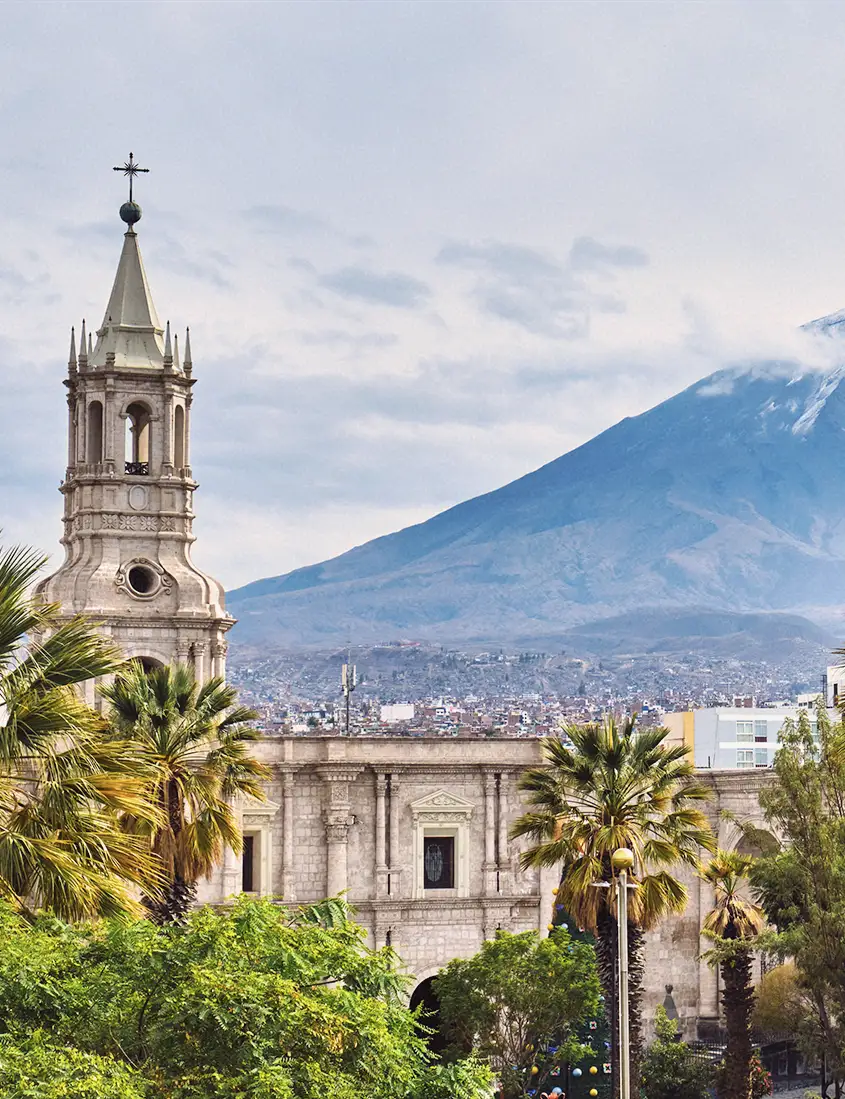
Puno’s main square is the city’s cultural and historical hub, surrounded by colonial buildings like the Catedral de Puno. It’s a lively spot with views of the surrounding hills and a great place to soak in the local atmosphere.
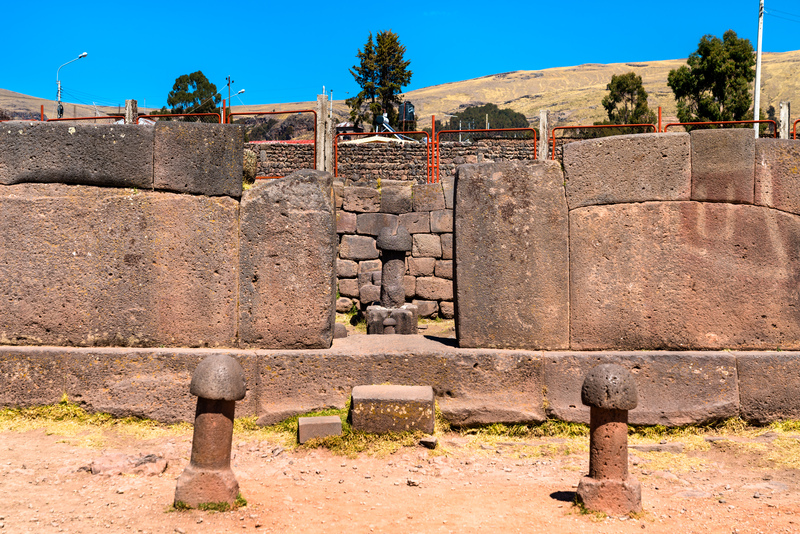
About 20 minutes from Puno, this ancient site—also known as the Temple of Fertility—is famous for its carved stone figures linked to fertility rituals. Located in the town of Chucuito, it reflects pre-Columbian Andean beliefs.
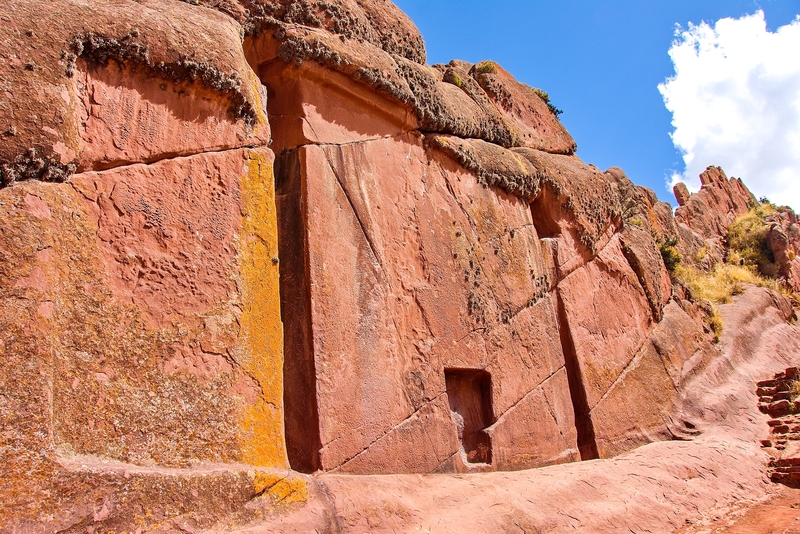
Located in Vilcauta, this 7-meter-high stone doorway is surrounded by legends claiming it’s a portal to another dimension. Many visitors are drawn to Aramu Muru for mystical and spiritual rituals.
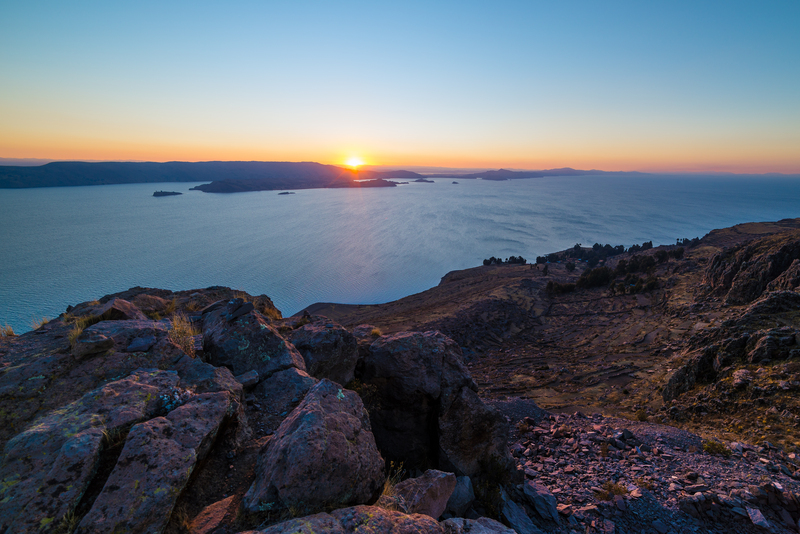
Reached by boat from Puno, Amantaní is known for its natural beauty and strong cultural traditions. Locals farm, weave, and carve stone, and visitors can stay with host families. The island has sacred sites dedicated to Pachatata and Pachamama, central to the Andean worldview.
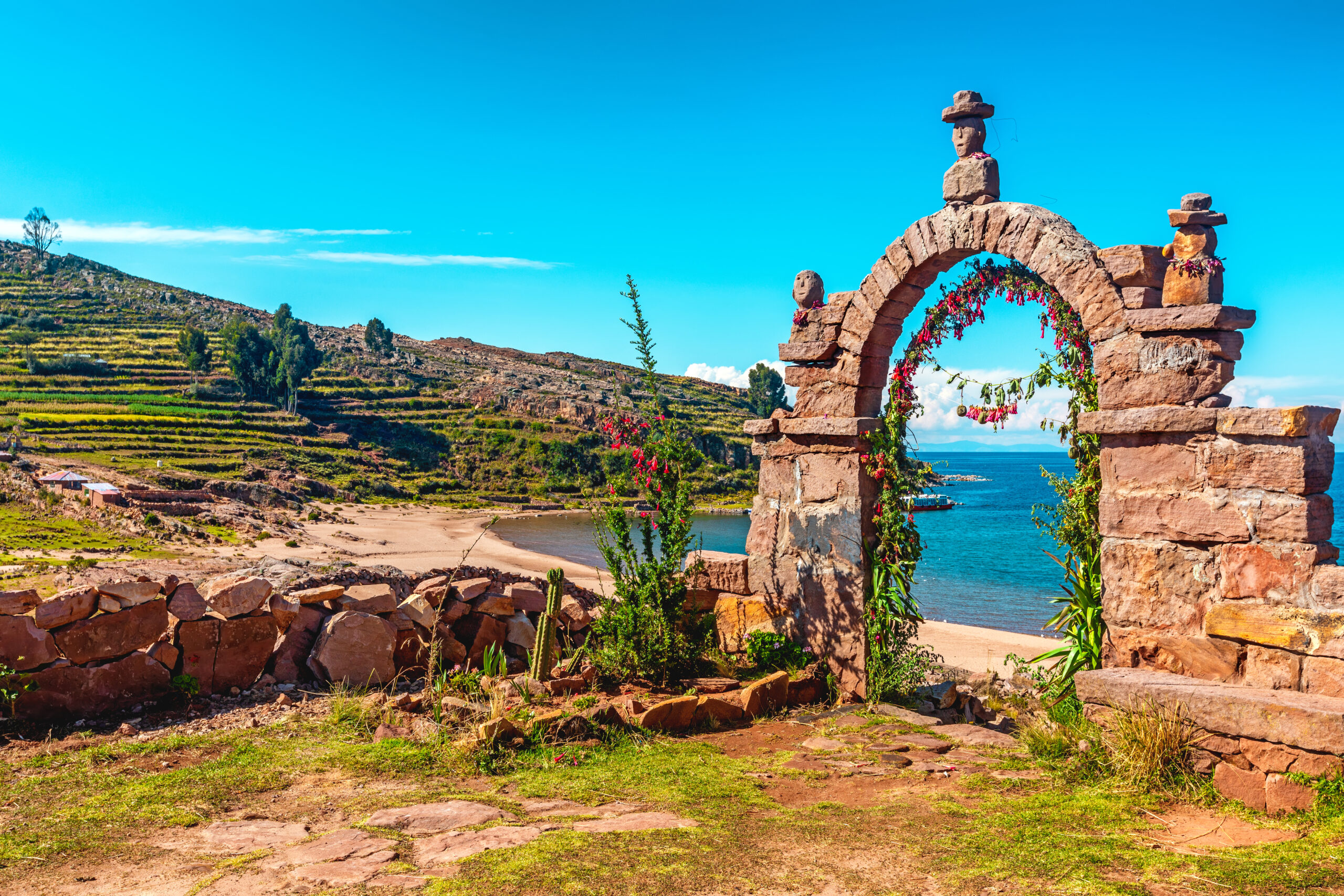
Located 45 km from Puno, Taquile is known for its stunning landscapes and rich Inca heritage. Locals maintain traditional customs and create UNESCO-recognized textiles. Agriculture and handicrafts are central to daily life, and the island is ideal for cultural and experiential tourism.
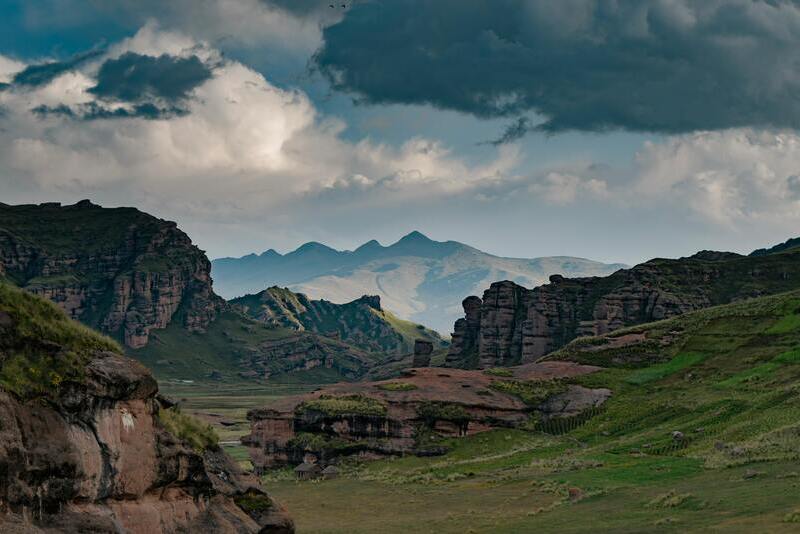
Set in the highlands of Puno, Ayaviri offers sweeping Andean landscapes and strong cultural roots. It’s especially known for Kankacho, a traditional dish of oven-roasted lamb. The town also features colonial architecture and a peaceful rural charm.
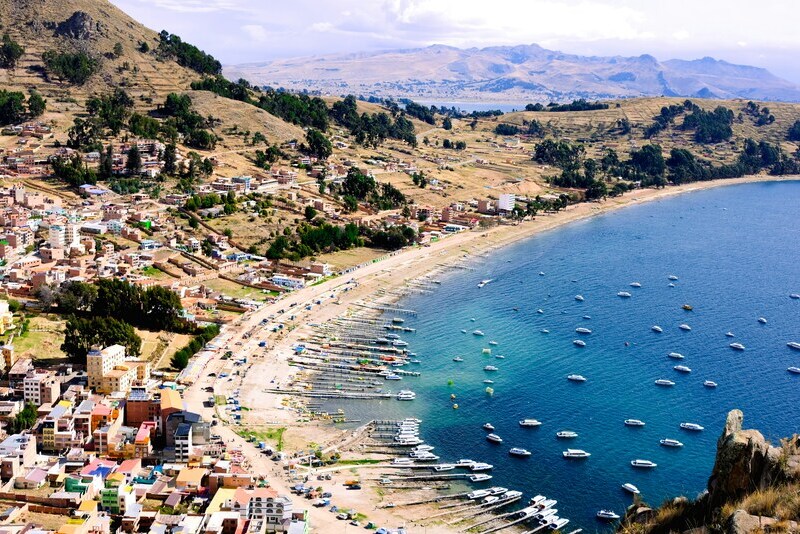
Overlooking Copacabana and Lake Titicaca, Cerro Calvario is a popular spot for sunset views. The uphill hike is short but steep, with 14 Stations of the Cross along the path, often visited by Catholic pilgrims. At the top, you'll find sweeping lake vistas and a peaceful place to rest or take photos.
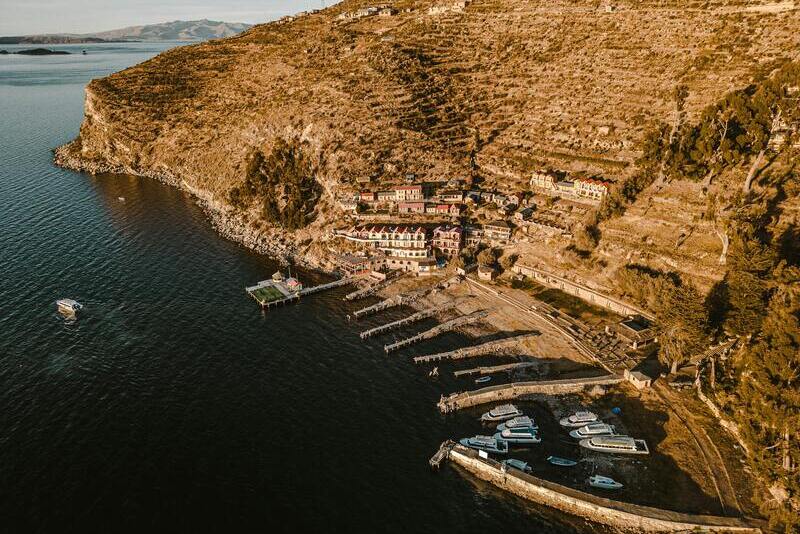
Yumani is the main village on Isla del Sol, just off the coast of Copacabana. Known for its stone pathways and terraced hillsides, it offers stunning views of Lake Titicaca. The Escalinata del Inca leads up to a sacred fountain and peaceful lookout points, making it a quiet and scenic place to explore local life and Inca history.
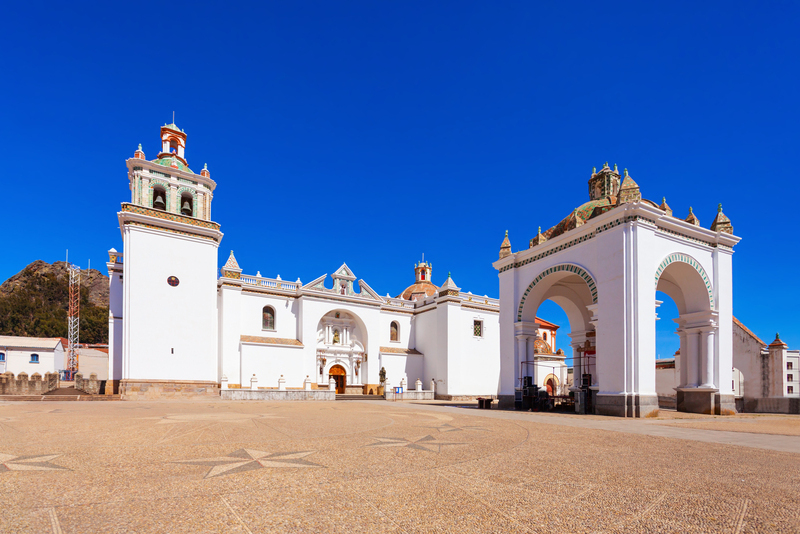
This iconic white church with Moorish domes is located in the town’s main square. It houses the Virgin of Copacabana, Bolivia’s patron saint. The Virgin’s statue is considered miraculous and is the centerpiece of religious festivals throughout the year.
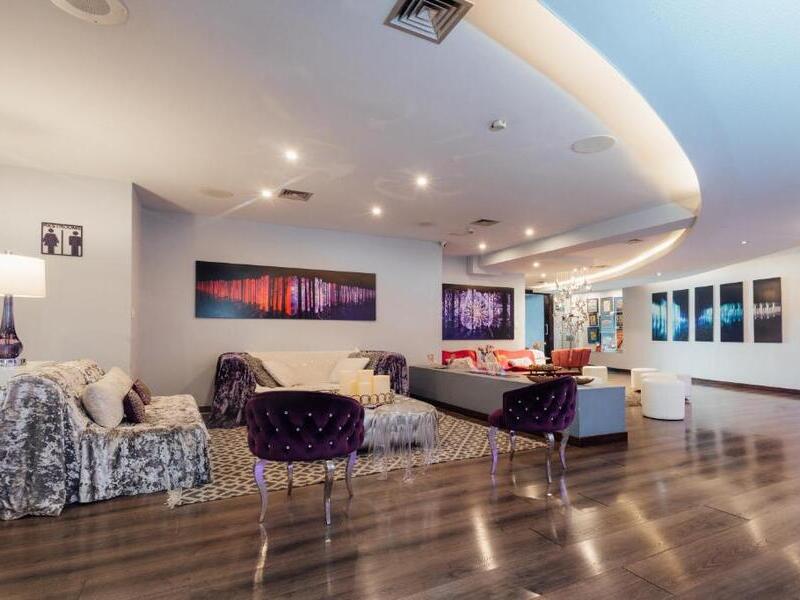
Stannum Boutique Hotel & Spa is a luxury hotel located in La Paz, Bolivia, offering a blend of modern design and personalized service. Known for its chic ambiance and contemporary style, the hotel provides guests with an upscale experience that caters to both leisure and business travelers.

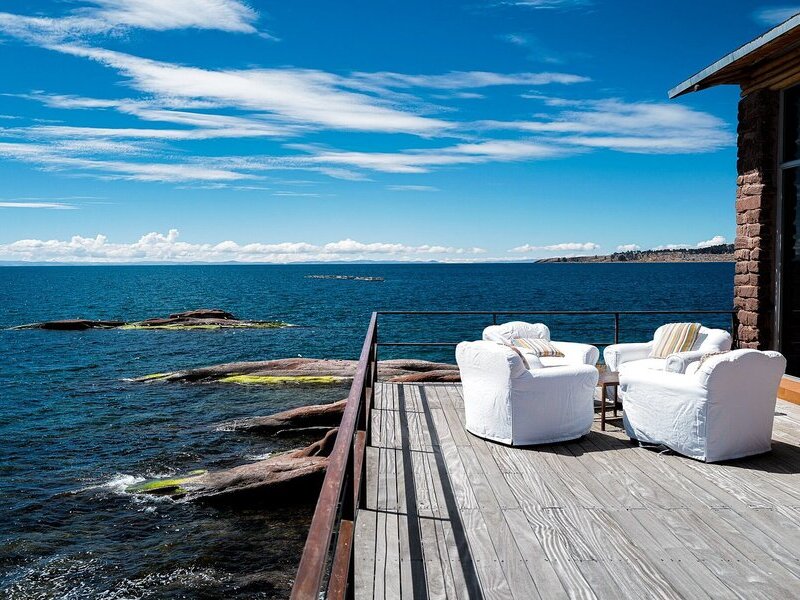
Set on the shores of Lake Titicaca, Titilaka provides a luxurious escape with breathtaking views, elegant rooms, and all-inclusive dining, drinks, and activities, ensuring a tranquil and memorable experience.
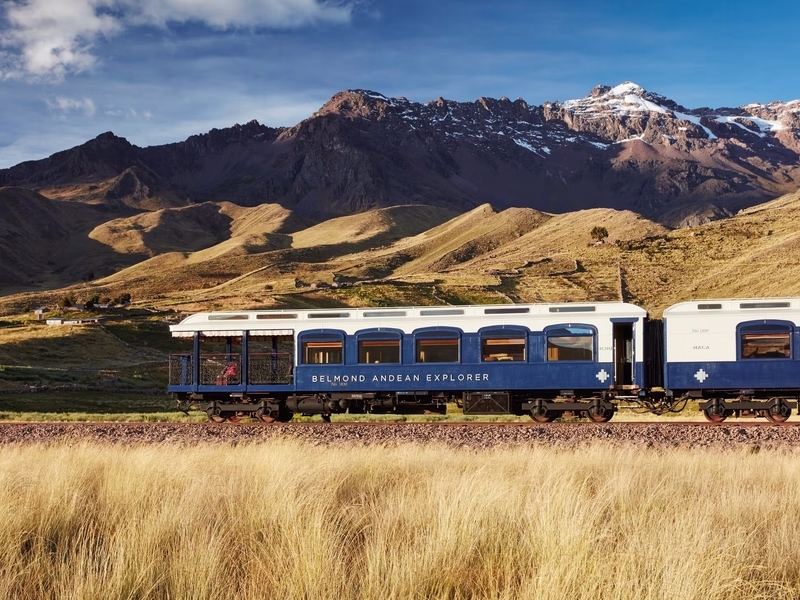
The Belmond Andean Explorer is a luxury train that takes you through the breathtaking landscapes of Peru. It travels from Cusco to Puno and ends in Arequipa. The train features elegant cabins, gourmet dining, and a relaxed atmosphere with lounge areas for enjoying the scenery making it a great way to travel through the country's mountainous region.
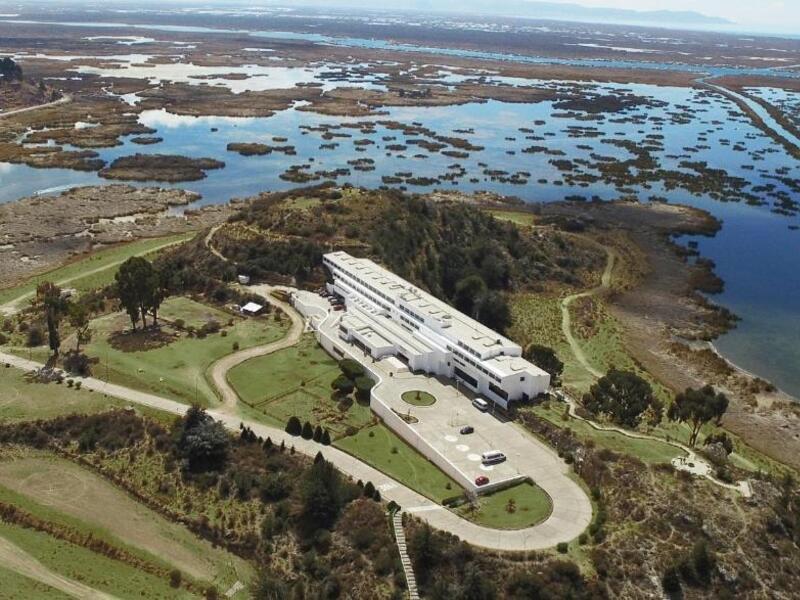
GHL Hotel Lago Titicaca has elegant rooms an onsite spa, and delicious fusion dishes at Los Uros restaurant, the hotel is complete with breathtaking views of Lake Titicaca and the Bolivian Andes.

The Boutique Hotel Rosario Sur offers comfortable and spacious apartment style accommodation most rooms come with a kitchen and lounge area.
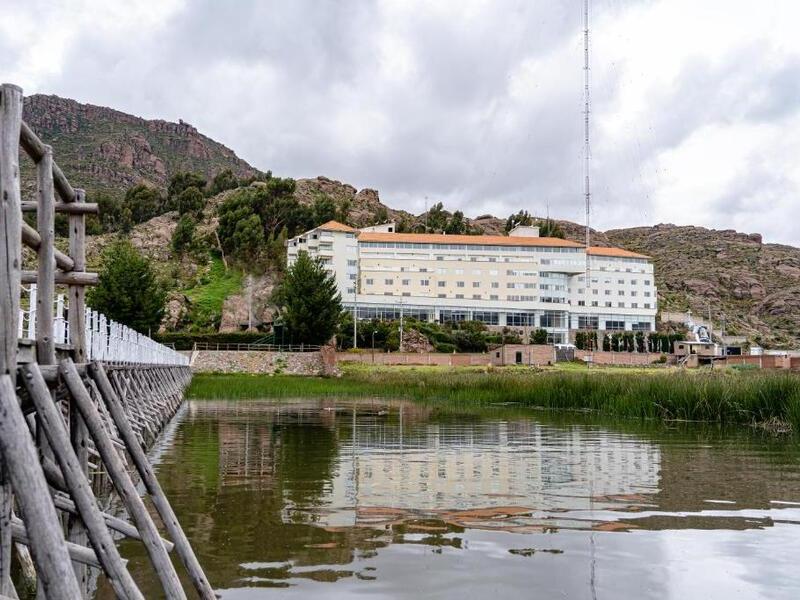
Jose Antonio Puno is a very large hotel and comes with many amenities including a restaurant and recreation area with various games, additionally, there are large conference rooms perfect for corporate or large family gatherings, located on the shores of Titicaca the rooms all have great views.
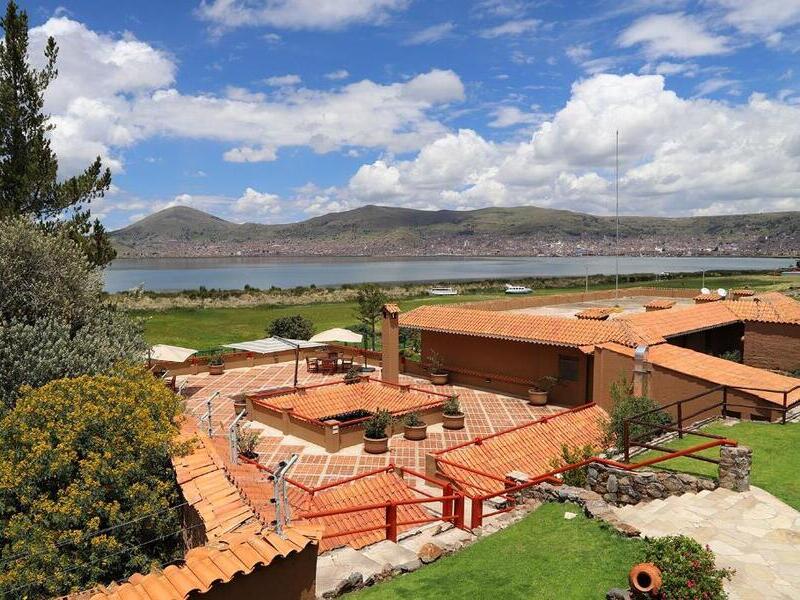
Right on the shores of Lake Titicaca, this Casa Andina Premium has everything that you need to make the most of your trip to Puno. This is the perfect place to relax as you travel through Peru.
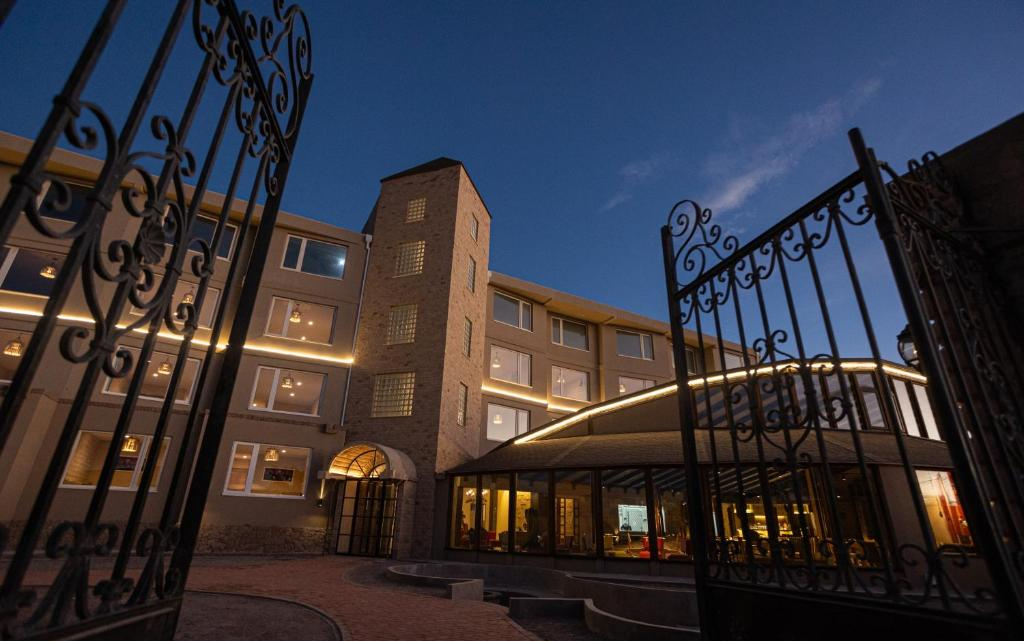
The hotel provides private check-in and check-out, a 24-hour front desk, concierge service, and a tour desk.
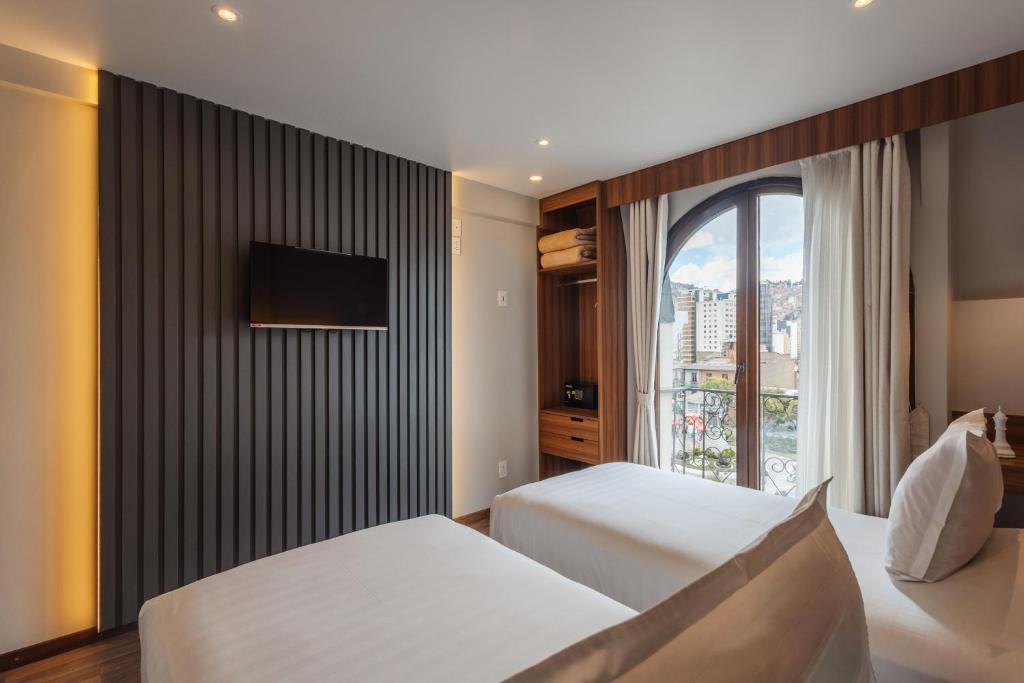
DREAM By Stannum Hotel in La Paz offers 3-star comfort with family rooms and private bathrooms. Each room includes a balcony with city views, a private entrance, and soundproofing.
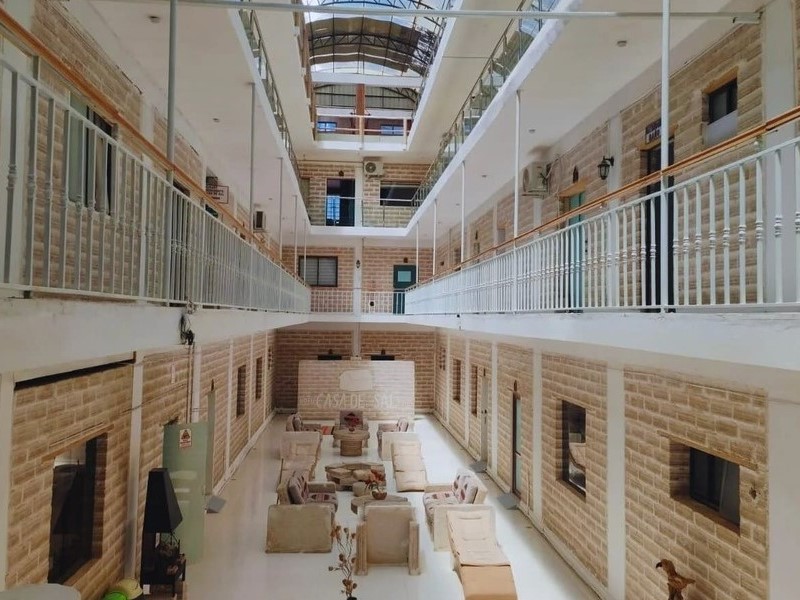
Enjoy a unique stay at Hotel Casa de Sal, an extraordinary lodge built almost entirely of salt near the Uyuni Salt Flats. Its warm rooms, rustic comfort, and one-of-a-kind setting make it the perfect place to rest and experience the magic of the Bolivian Altiplano.
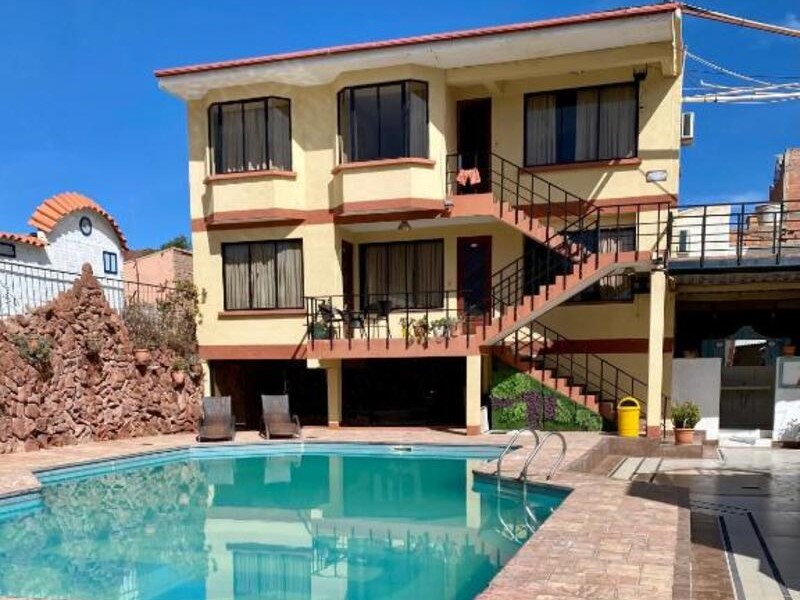
Enjoy a relaxing stay at Hotel Mitru in Tupiza, a charming hotel set in a peaceful environment surrounded by stunning red-rock landscapes. With comfortable rooms, attentive service, and a tranquil atmosphere, it’s the perfect place to rest after exploring southern Bolivia.
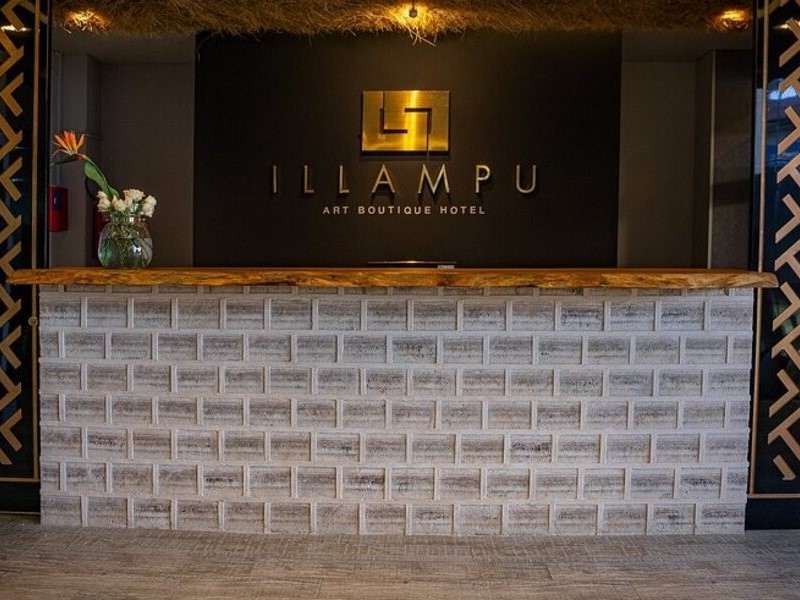
Enjoy a comfortable stay at Hotel Illampu in La Paz, a welcoming boutique hotel that blends traditional Andean style with modern comfort. Its cozy rooms, central location, and warm service make it an ideal base to relax and explore the city.
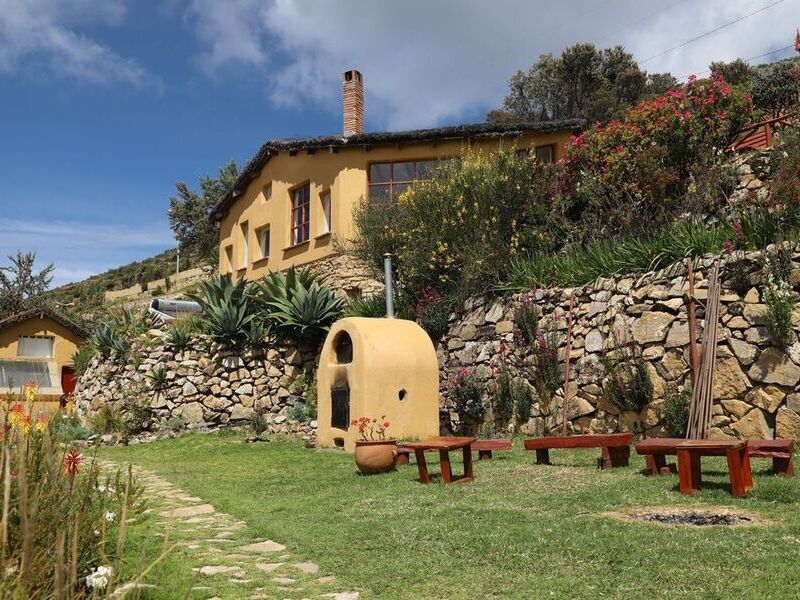
Ecolodge La Estancia sits on the southern tip of the legendary Isla del Sol, on the sparkling waters of Bolivia’s Lake Titicaca—offering an experience unlike any other. Its eco-friendly lodges are built upon carefully restored pre-Incan agricultural terraces, perched 4,010 meters above sea level. More than just a stay, La Estancia is a spiritual retreat in harmony with nature, where breathtaking views of the lake and the majestic Cordillera Real of the Andes await.
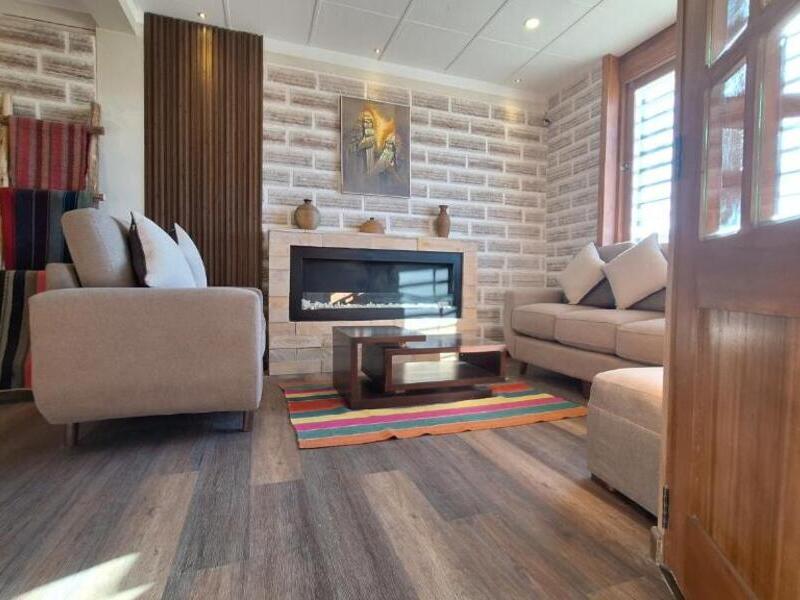
Hotel de Sal Antipax has spacious comfortable rooms with a welcoming atmosphere, breakfast is served daily and the restaurant serves American and Cajun Creole dishes.

A colonial style hotel where rooms have great views of Lake Titicaca, at Hotel Rosario Lago Titicaca guests can enjoy barbequed meals outside in the garden or relax in the lounge area where there are various games seating and a cozy fireplace.
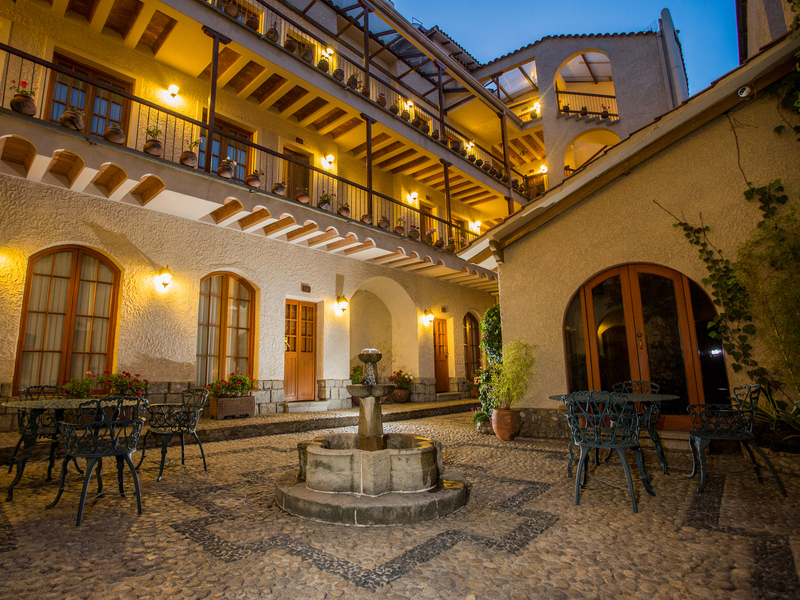
A comfortable and cozy hotel located in the witches’ market in the center of all the action, Hotel Rosario La Paz is a great hotel with amazing attention to detail perfect for families.
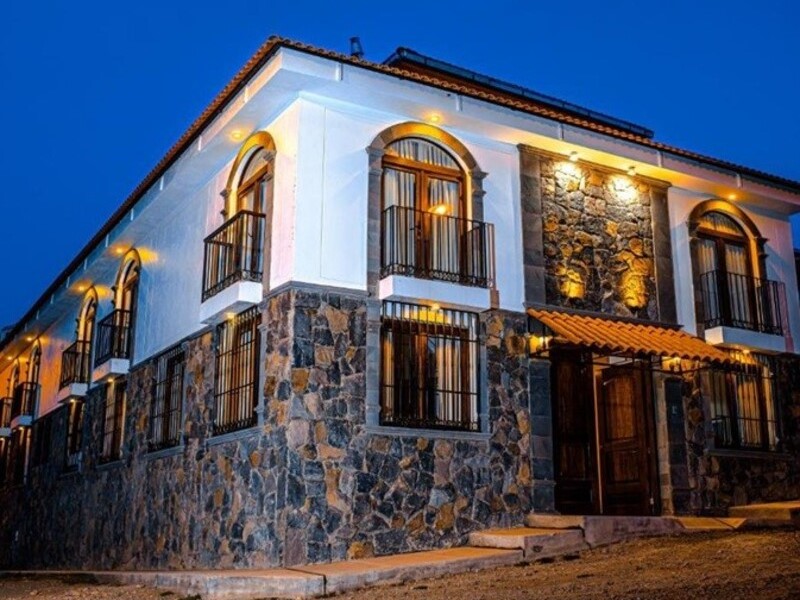
Hotel Atojja Chucuito Puno by Katari is a cozy lakeside hotel located in the peaceful town of Chucuito, near Lake Titicaca. It offers beautiful views, a relaxing atmosphere, and an authentic local experience, perfect for unwinding and enjoying unique landscapes.
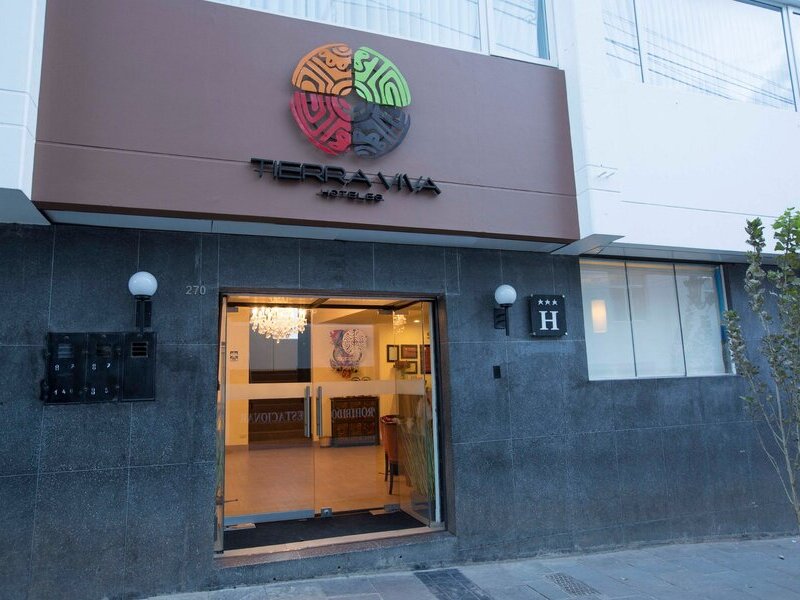
Comfortable and centrally located, Tierra Viva Puno Plaza offers a peaceful retreat just steps from Puno’s main square. With cozy rooms, warm service, and easy access to Lake Titicaca, it’s a great base for exploring the region.
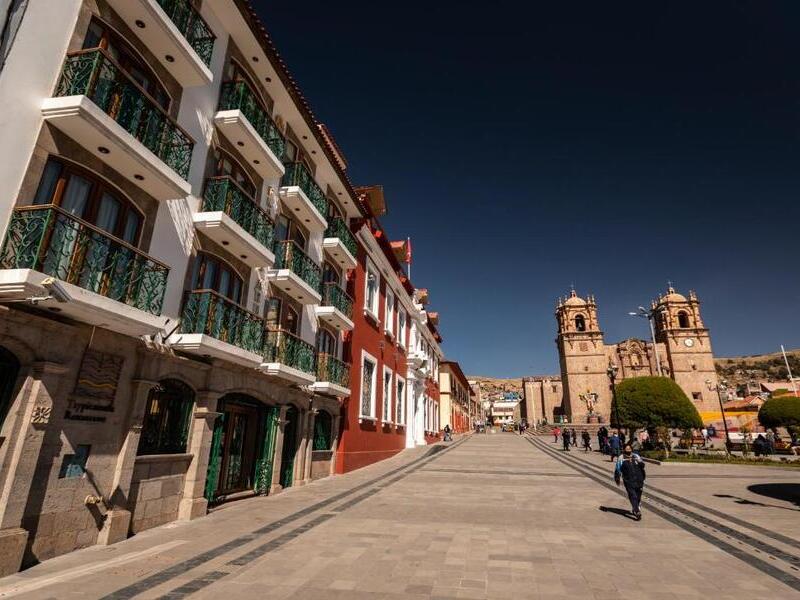
Hotel Hacienda Puno Plaza de Armas offers a luxurious and convenient base for exploring Puno. Situated in the city's historic main square, the hotel is located just a 5-minute drive from the shores of Lake Titicaca. Guest rooms are furnished with carpeted floors, elegant wooden furniture, flat-screen televisions, and private bathrooms complete with marble accents, soaking tubs, and complimentary toiletries.
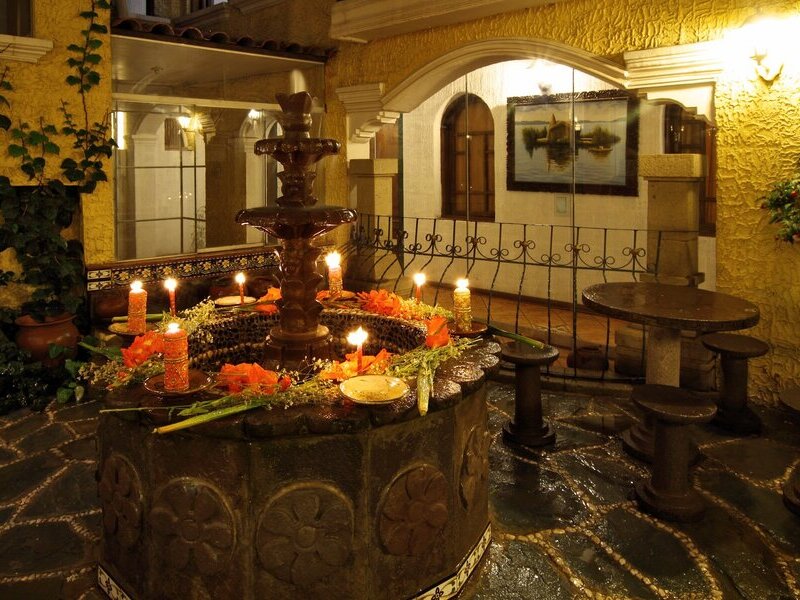
This elegant hotel is ideally located just one block from Puno's historic main square and cathedral. Hotel Hacienda Puno offers complimentary Wi-Fi and private parking, ensuring a comfortable and convenient stay. The hotel's sky restaurant provides guests with breathtaking panoramic views of Lake Titicaca, located a short five-minute drive away. Guests can indulge in a delectable buffet breakfast, featuring fresh local ingredients, each morning. For lunch and dinner, the hotel offers a fusion of regional and international cuisine, catering to diverse tastes.
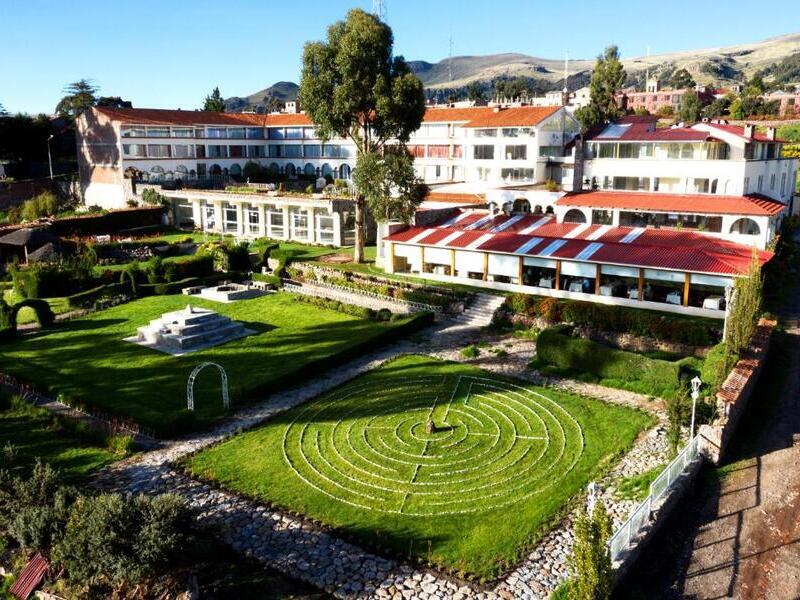
A large hotel in the town of Chucuito around 30 mins away from the city of Puno, Taypikala Hotel Lago sits on the shores of Lake Titicaca, its colonial style architecture and spacious property gives the hotel an elegant feel making a great relaxing destination for any traveler.
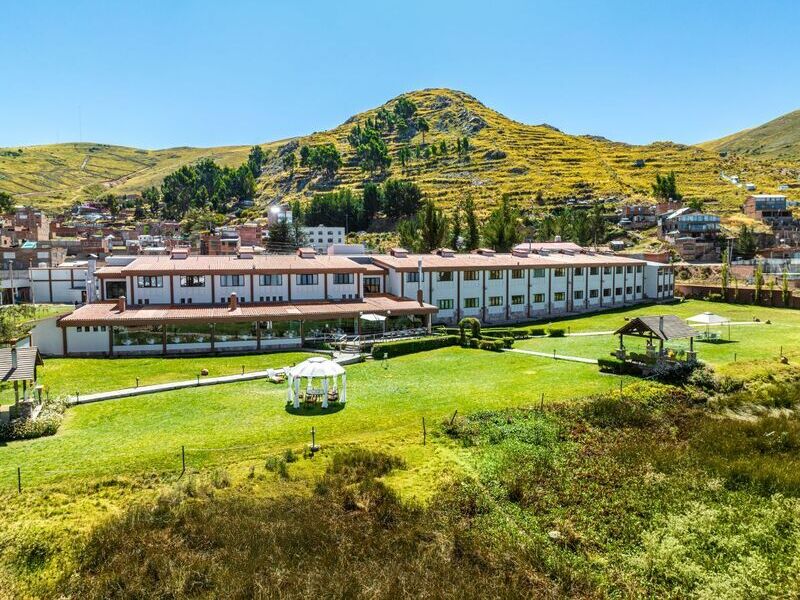
A comfortable clean hotel located right on the shores of Lake Titicaca, Sonesta Posadas del Inca Puno offers an onsite restarant and views of the lake.
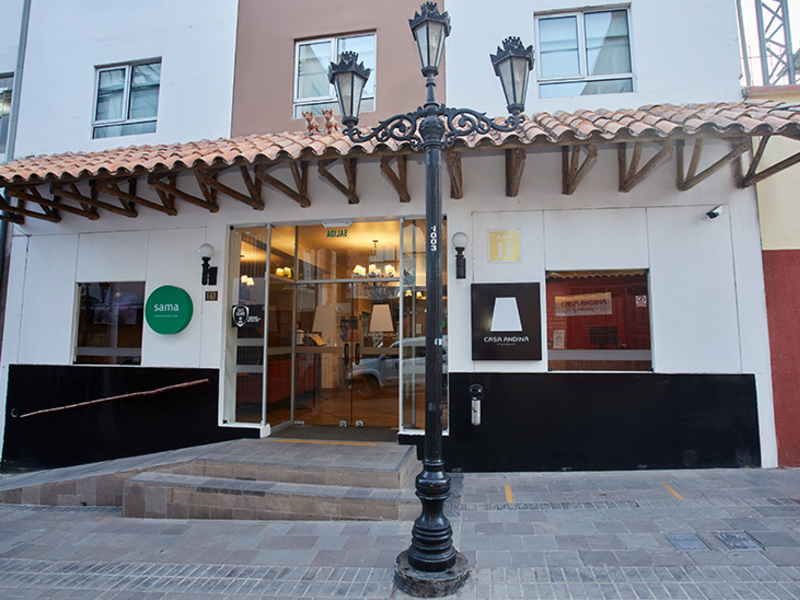
Just minutes away from the center of Puno, this Casa Andina offers plenty for all kinds of traveler, from a delicious restaurant to a gift shop inside the hotel.

Enjoy a pleasant stay at Plaza Hotel Oruro, a comfortable hotel located in the heart of the city. Its convenient location, cozy rooms, and friendly service make it an ideal place to rest while exploring Oruro and its cultural highlights.
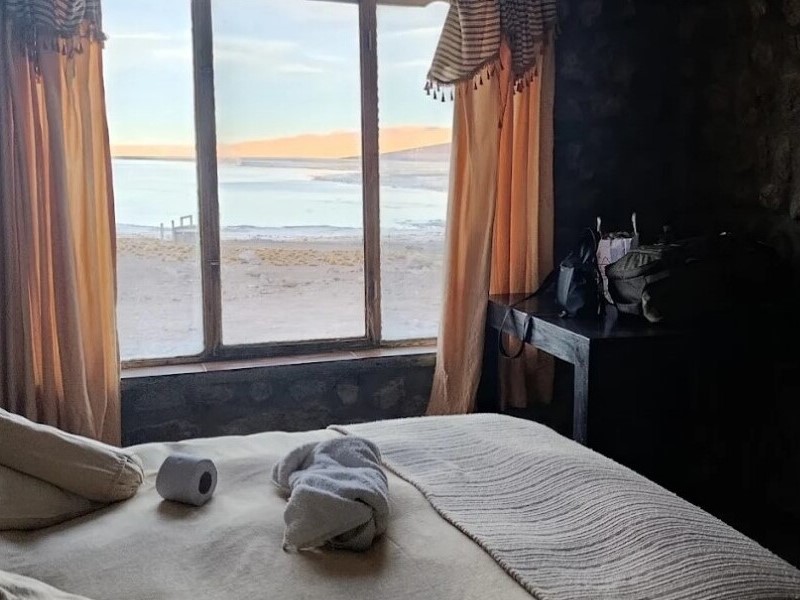
Enjoy an unforgettable night at the Hotel Ecológico de Piedra, an eco-friendly stone lodge nestled in the high-altitude Bolivian Altiplano. Its cozy rooms, warm atmosphere, and proximity to natural hot springs make it the perfect place to rest and recharge.
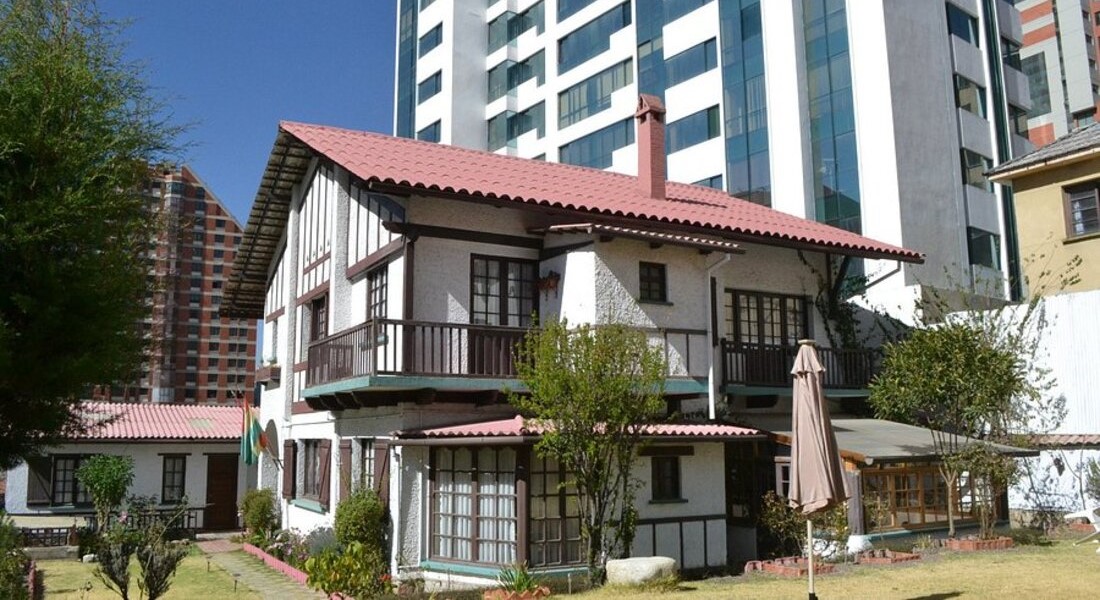
La Maison de la Bolivie is a charming 2-star hotel located in the heart of La Paz, close to the city’s main attractions. It offers cozy, beautifully decorated rooms with exceptionally comfortable beds and warm hospitality, making every guest feel right at home. Perfect for travelers seeking comfort and local charm.
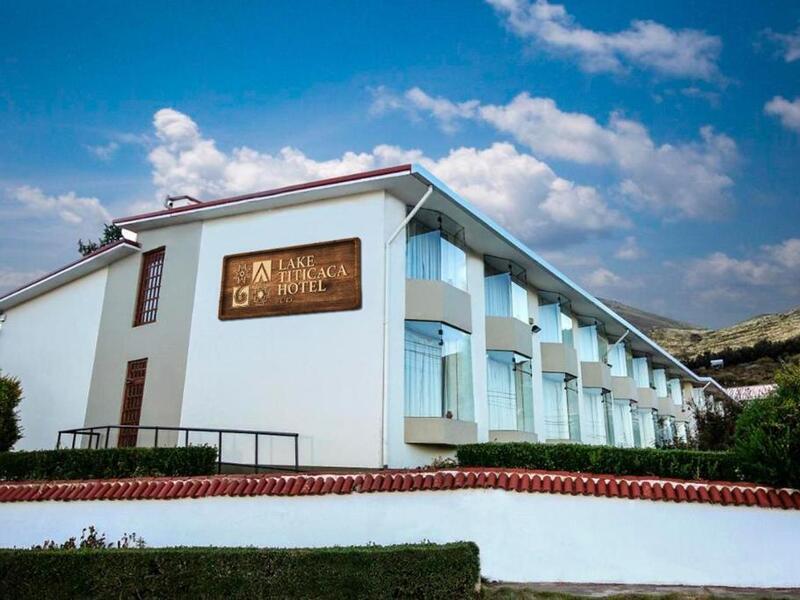
Lake Titicaca Hotel offers stunning views of the lake, with comfortable, smoke-free rooms, free Wi-Fi, a delicious breakfast, family-friendly accommodations, and a bar, ensuring a memorable and relaxing stay in Puno.
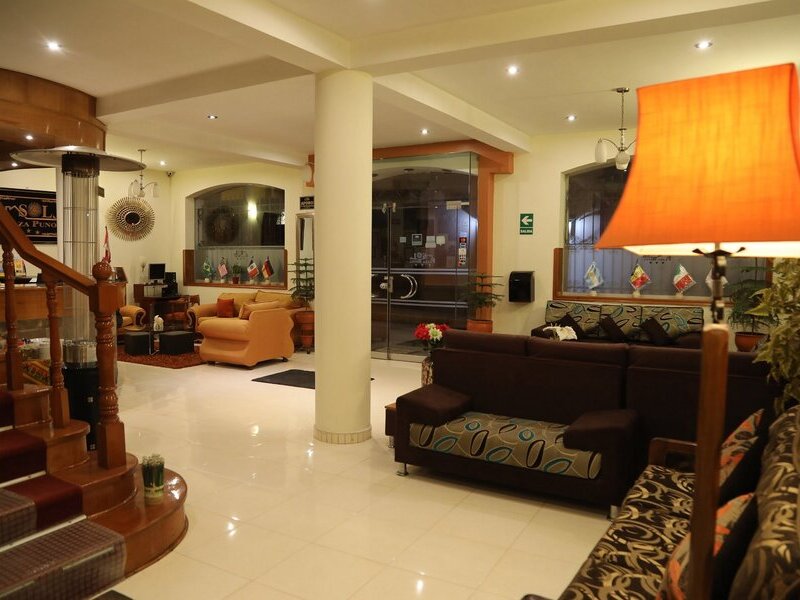
Centrally located, comfortable and clean, Sol Plaza Hotel in Puno is the perfect place for travelers to relax after exploring the wonders of Puno. With friendly and helpful staff, travelers can't help but fall in love here.

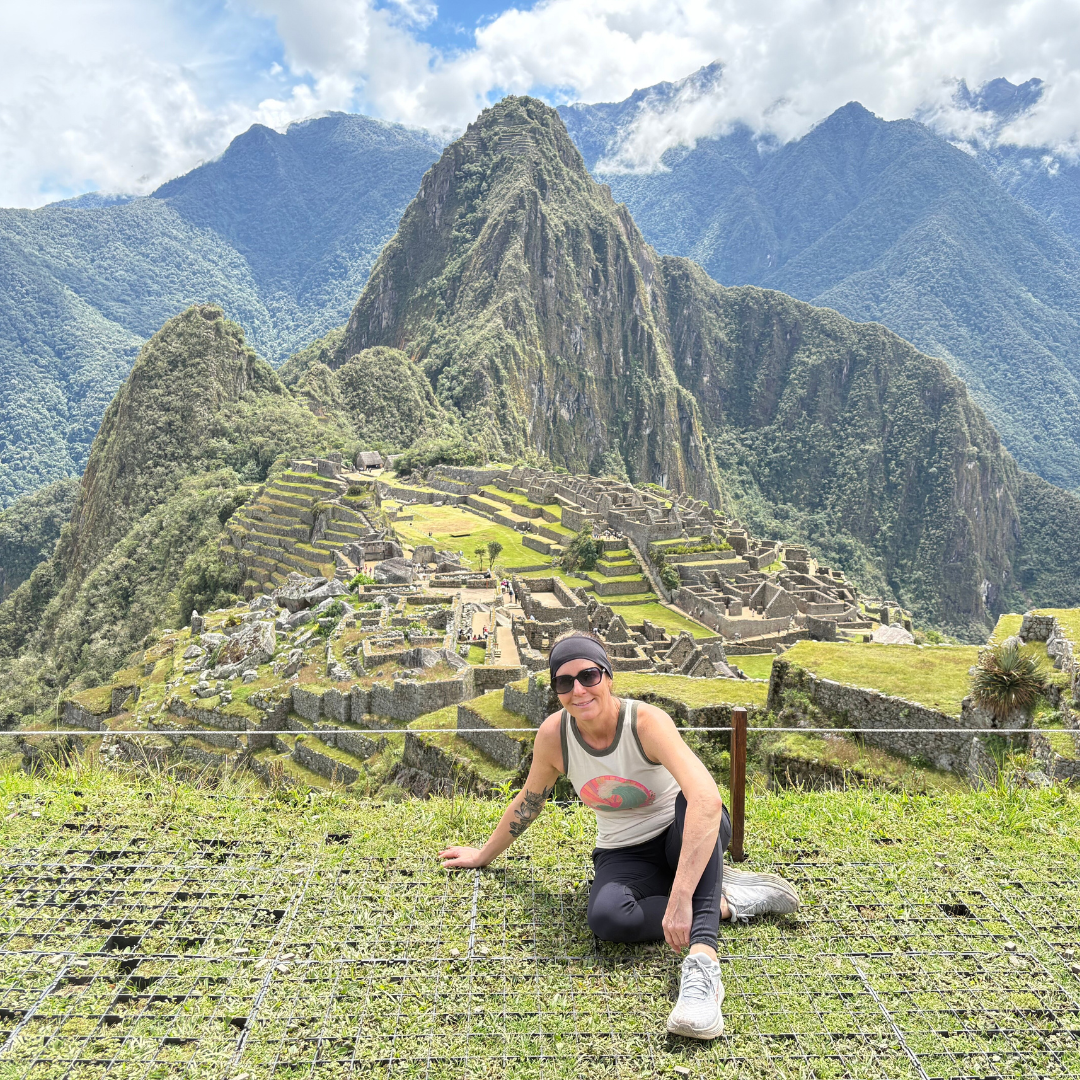

Excellent, safe, and fun experience! Everything from start to finish was perfect! The communication between Diego/the company and I was seamless. My guide, Rumi, was absolultely wonderful! I went to Peru on my own, and wanted to ensure a safe, easy experience-Cusco Native definitely delivered!

We booked our Peru trip through Cusco Native and Leidy was great help. We had millions of questions and adjustments and changes to our travel plan and Leidy at Cusco Native was very patient and helpful. We had a great time and made memories that will last a lifetime.
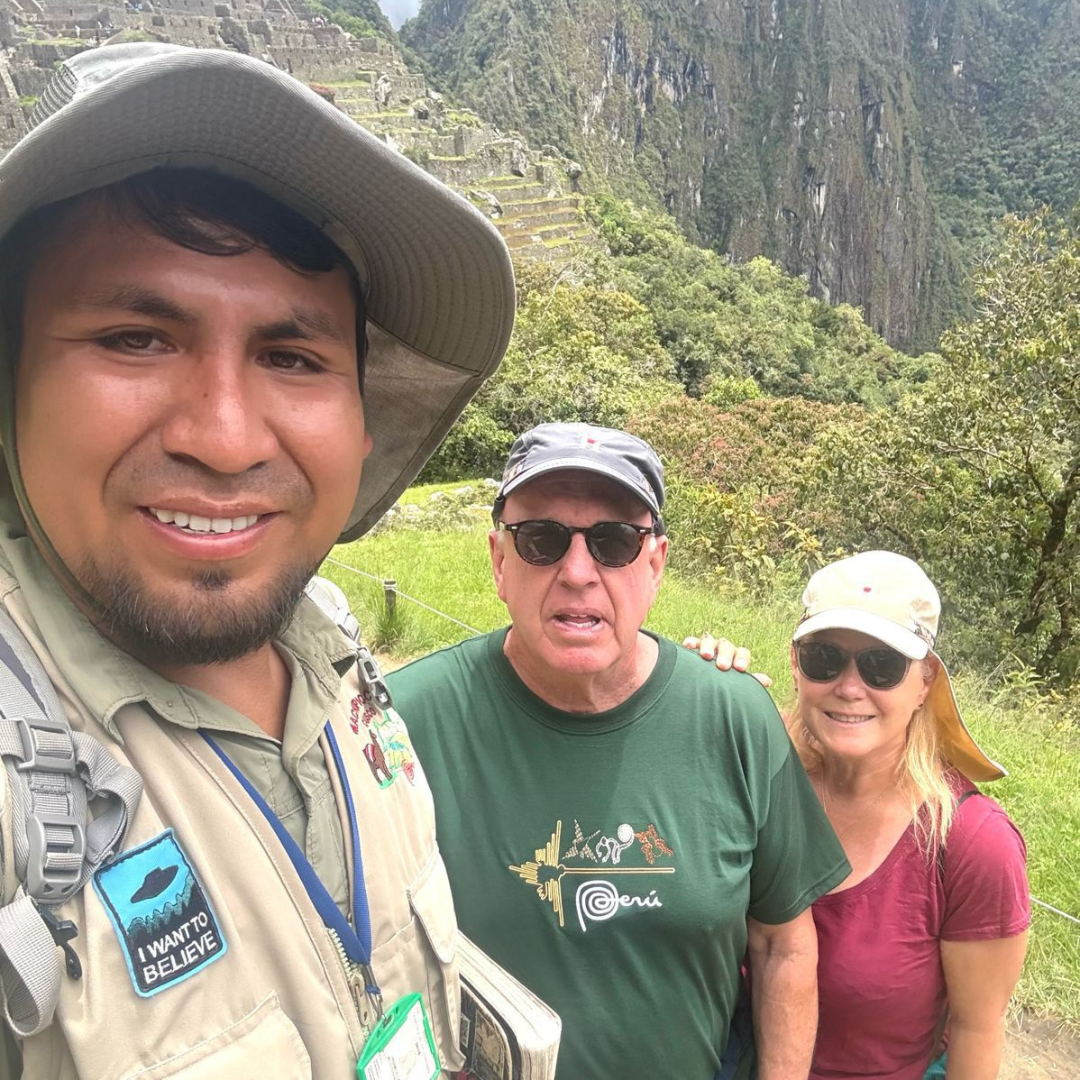
Excellent service, great coordination, nice hotels. Everything was smooth as could be.
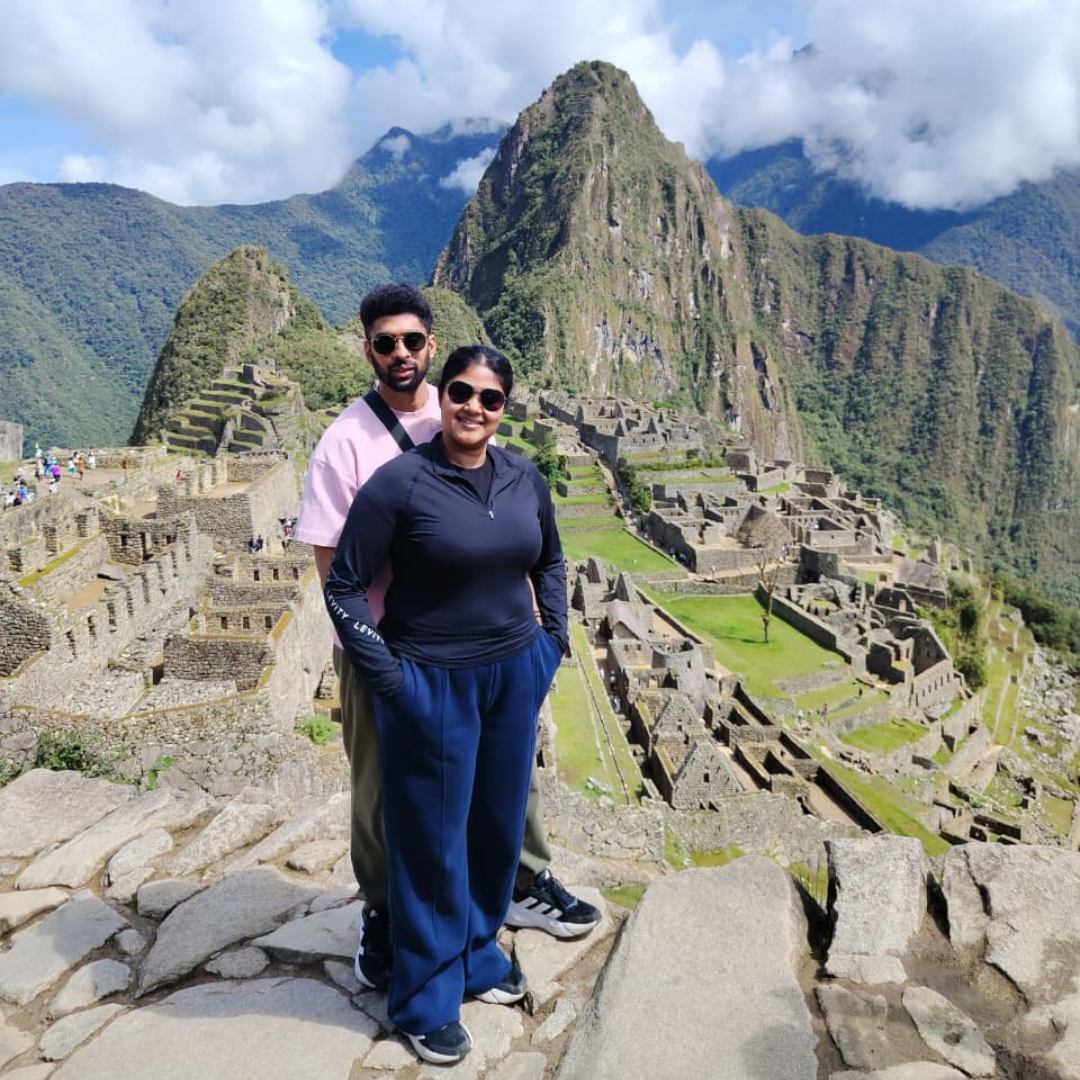
My husband and I did a day trip to see Machu Picchu, which has been a dream of mine for over 10 years, at the end of January this year. Once we were in Cusco and the day before the trip the team came by and explained everthing and there were no hazzle on the day of our trip either. The day was perfect and it was truly a dream come true thanks to Cusco Native.
Here are the answers to some of the most frequently asked questions about traveling to Lake Titicaca:
There are no special entry requirements to visit the lake itself, but international travelers must carry a valid passport. If you’re crossing the border between Peru and Bolivia (e.g., from Puno to Copacabana), immigration formalities apply. Some nationalities may need a visa to enter Bolivia—check in advance or ask us for help.
The dry season (May to October) brings sunny days, cooler nights, and clear lake views. The rainy season (November to April) offers lush landscapes and fewer tourists. Shoulder months like April and October are ideal for balanced weather and smaller crowds.
A full-day tour from Puno lets you see the Uros and Taquile Islands. For a deeper experience, we recommend 2–3 days to include Amantaní or Isla del Sol with a homestay or overnight. Copacabana also deserves a night if you’re heading to or from La Paz.
While you can visit some sites independently, tours and accommodations—especially on Amantaní, Taquile, or Isla del Sol—can fill up quickly. Booking at least 1–2 weeks in advance is ideal for regular visits, and longer if you’re traveling in peak months (June–August) or during festivals like Candelaria.
Some attractions—like the Uros Floating Islands or Isla del Sol—require entrance fees, which are usually paid on-site. However, we recommend booking guided tours, boat transfers, and overnight stays in advance, especially during high season. We take care of all logistics when you book with us.
Yes! Families, couples, and solo travelers of all ages are welcome. Keep in mind that the lake sits at over 3,800 meters (12,500 ft), so it's best to take it easy the first day to adjust to the altitude. Some island trails may involve moderate walking.
Some parts of the lake—like the Uros—are easily accessible. Others, like Taquile or Isla del Sol, involve uphill paths or stairs. Let us know your needs and we’ll design the most suitable route with the right level of activity.
Yes. Our local guides bring history, legend, and culture to life—whether you're exploring ancient temples on Isla del Sol or weaving workshops on Taquile. We also include entrance fees, transportation, and meals where noted.
Because we make sure your Lake Titicaca visit is done right. That means expert planning, responsible tourism, and local connections on both sides of the lake. With us, you don’t just see the highlights—you experience the heart of it.

Personalized tours to Machu Picchu and other iconic destinations, handcrafted by passionate local experts.


© 2025 Cusco Native Tours. All rights reserved.