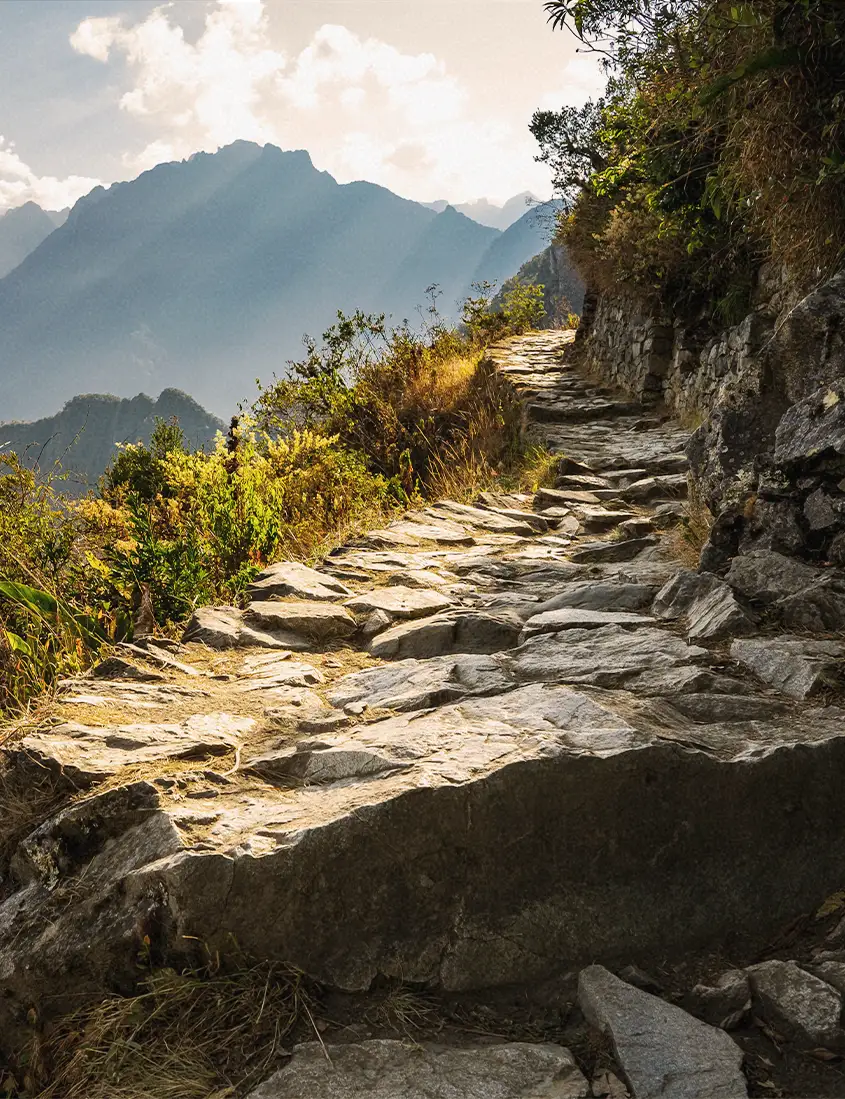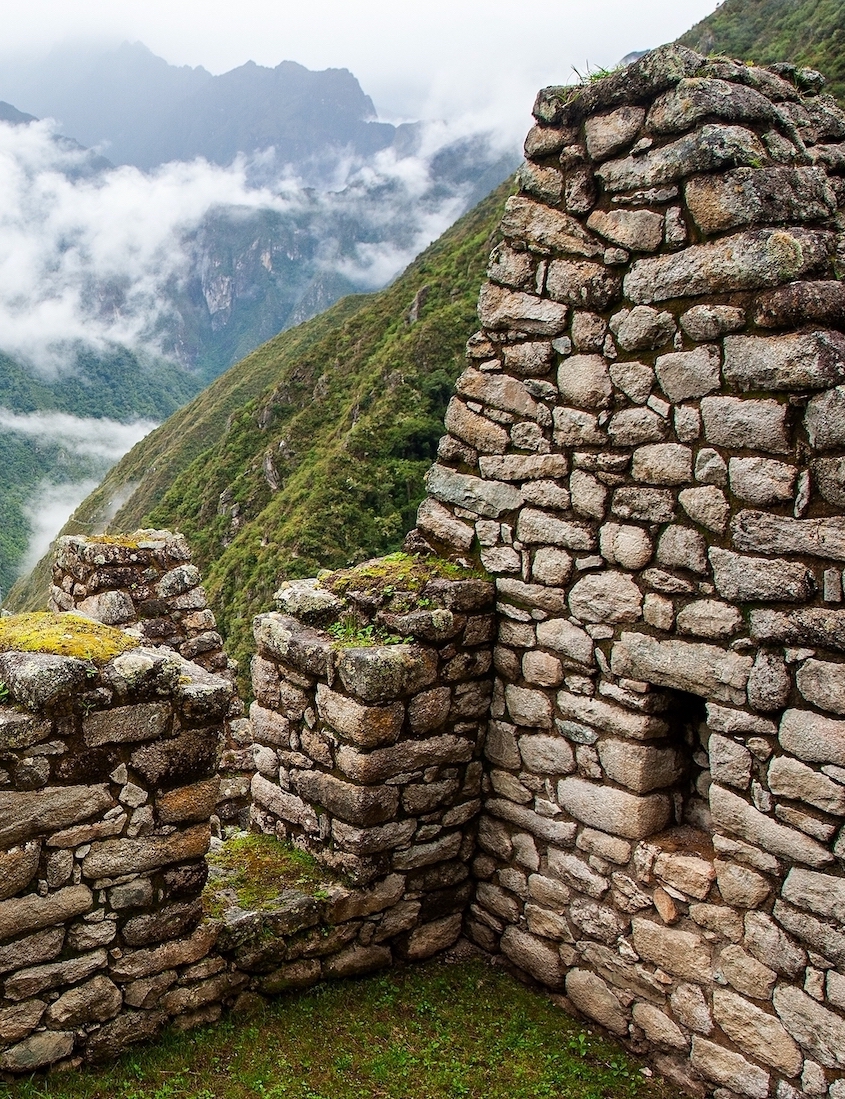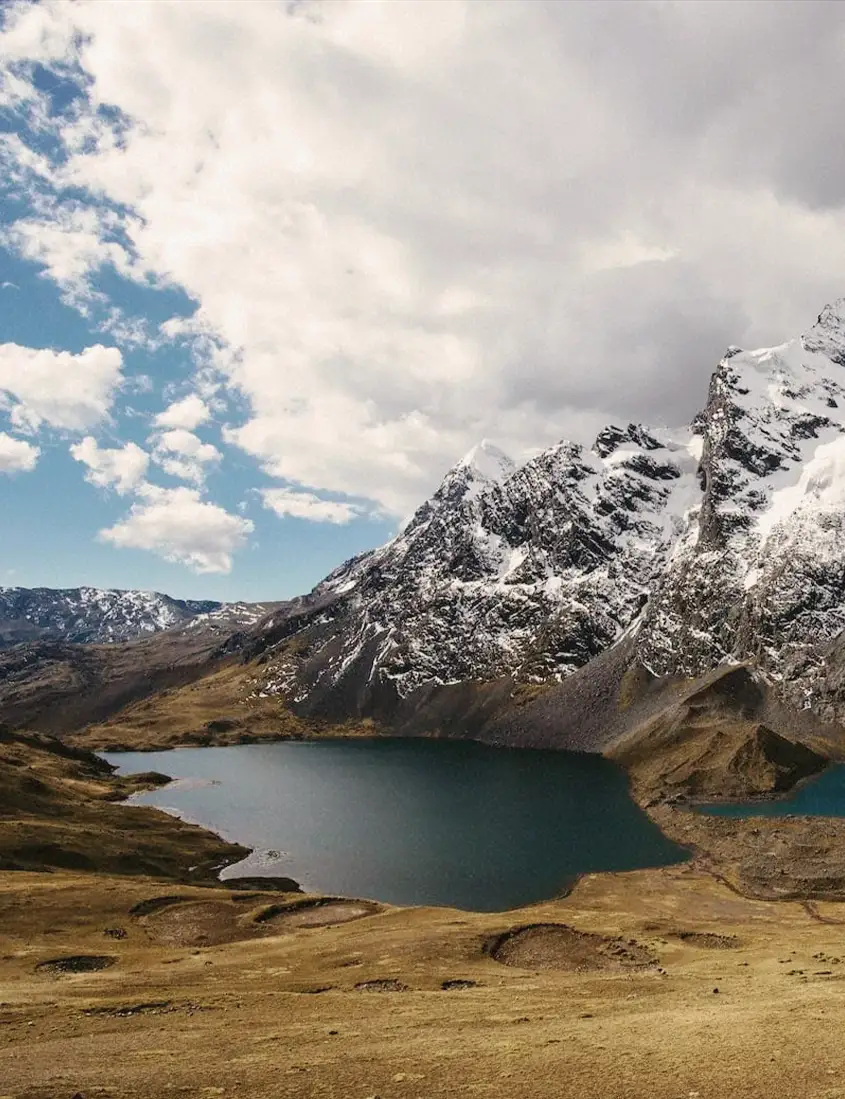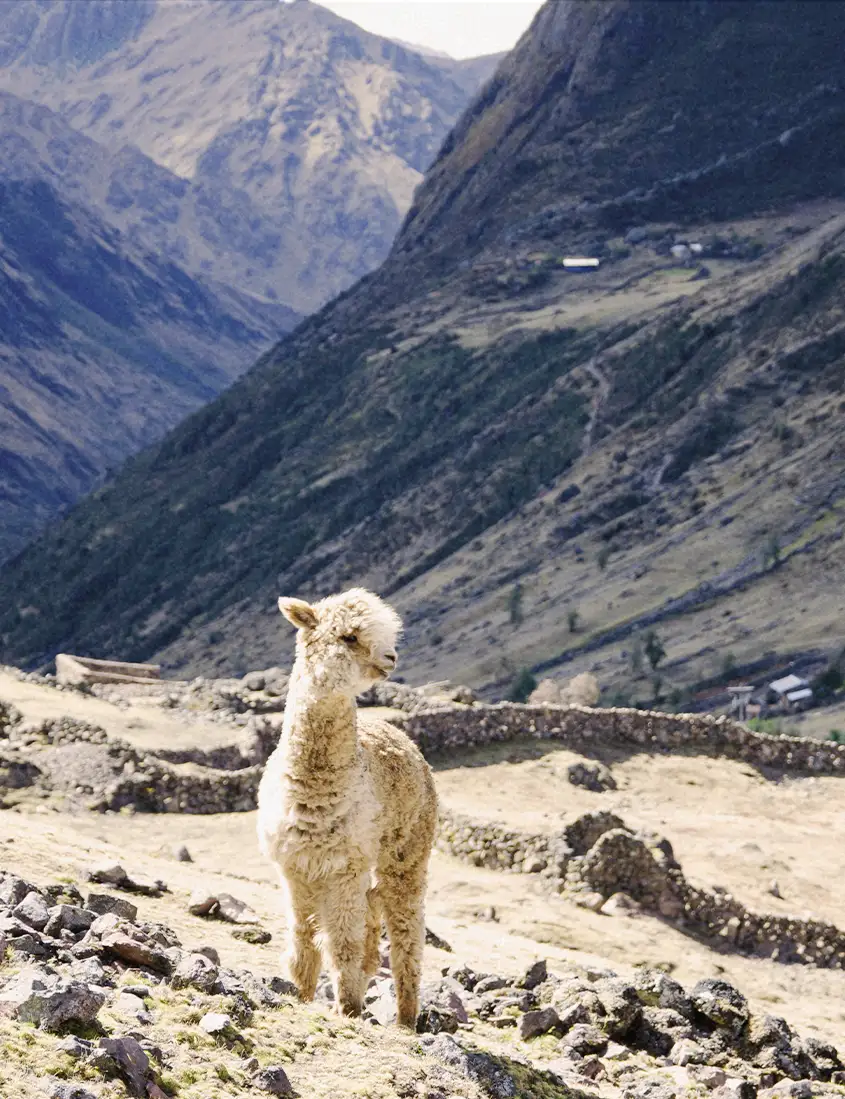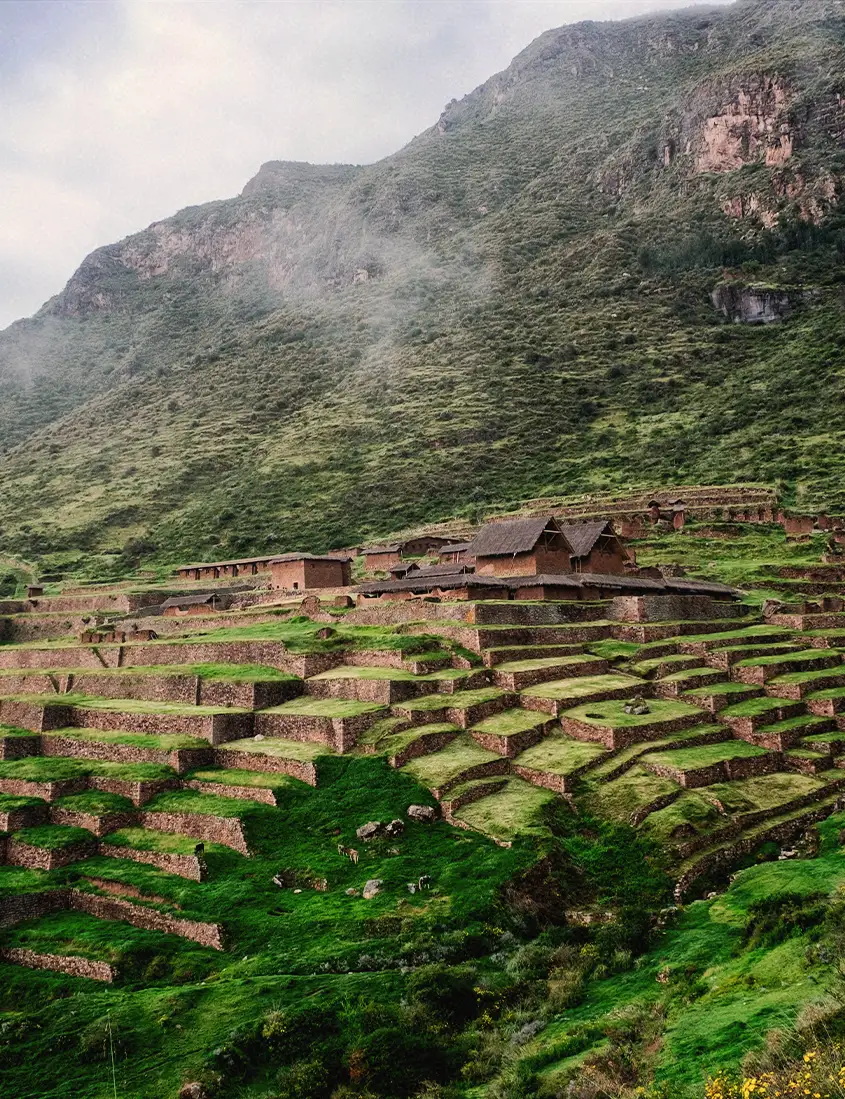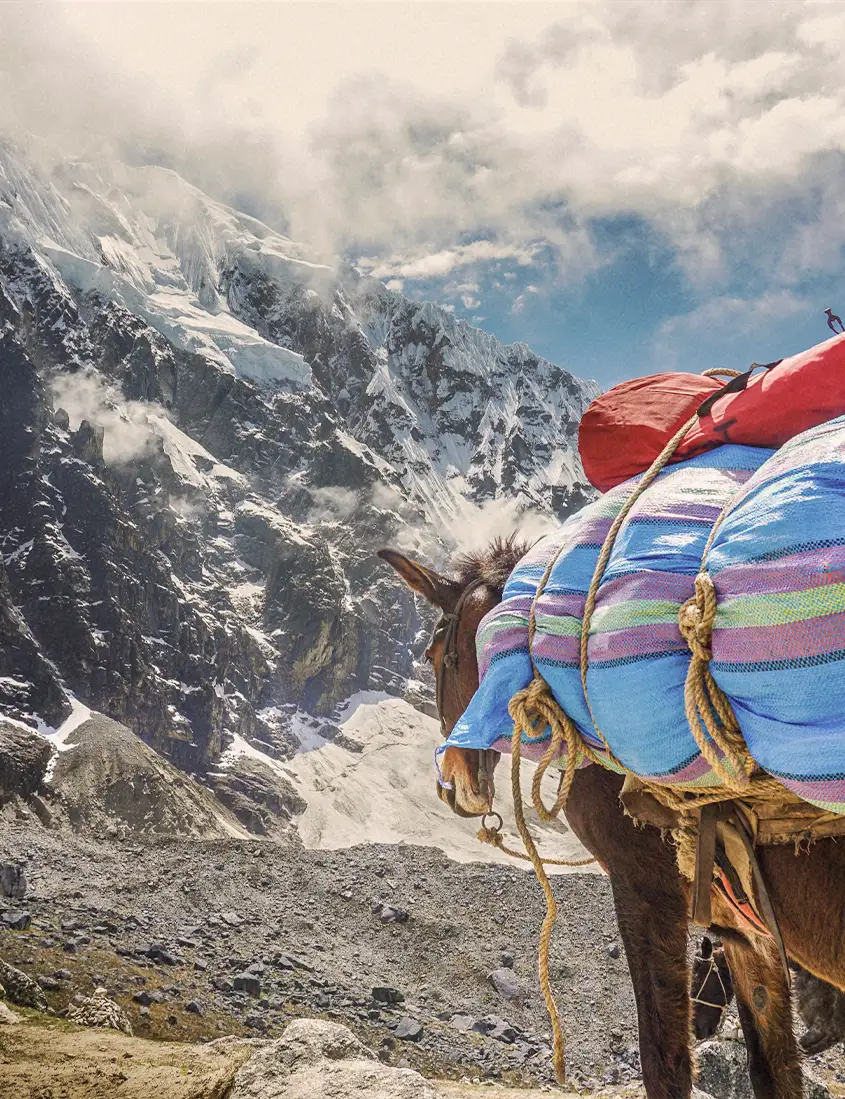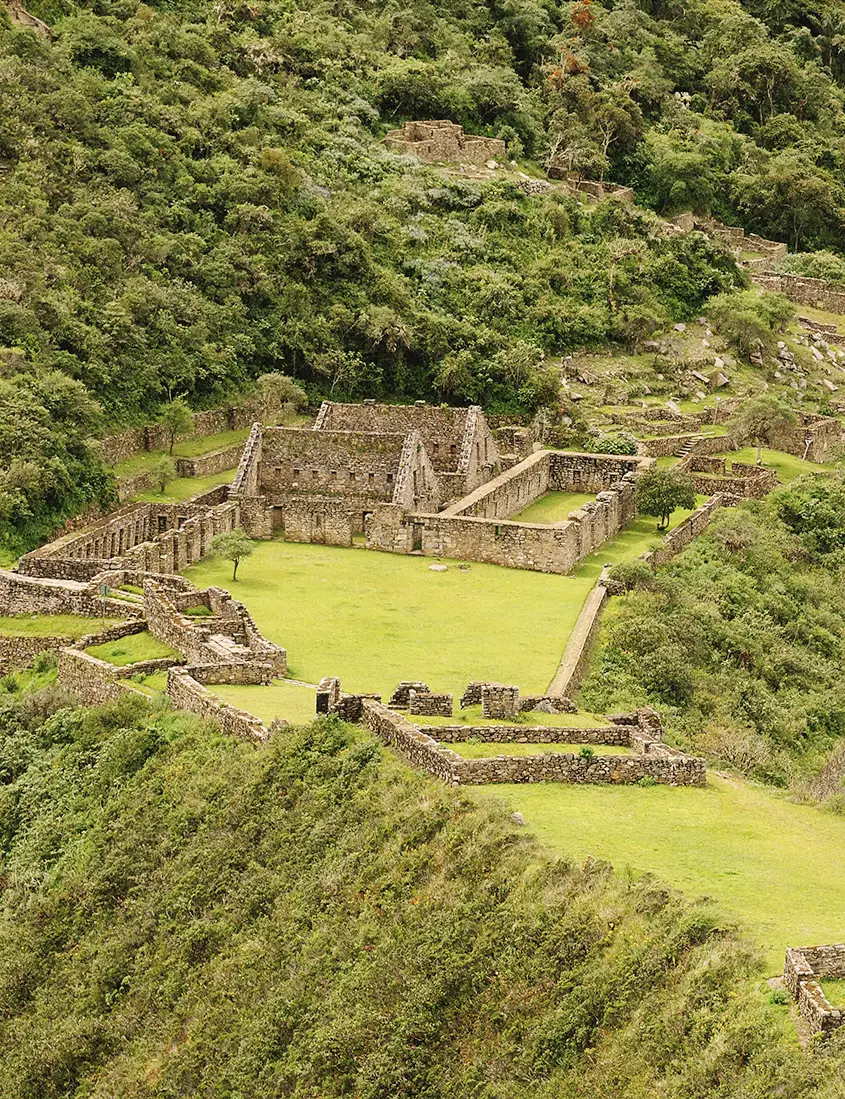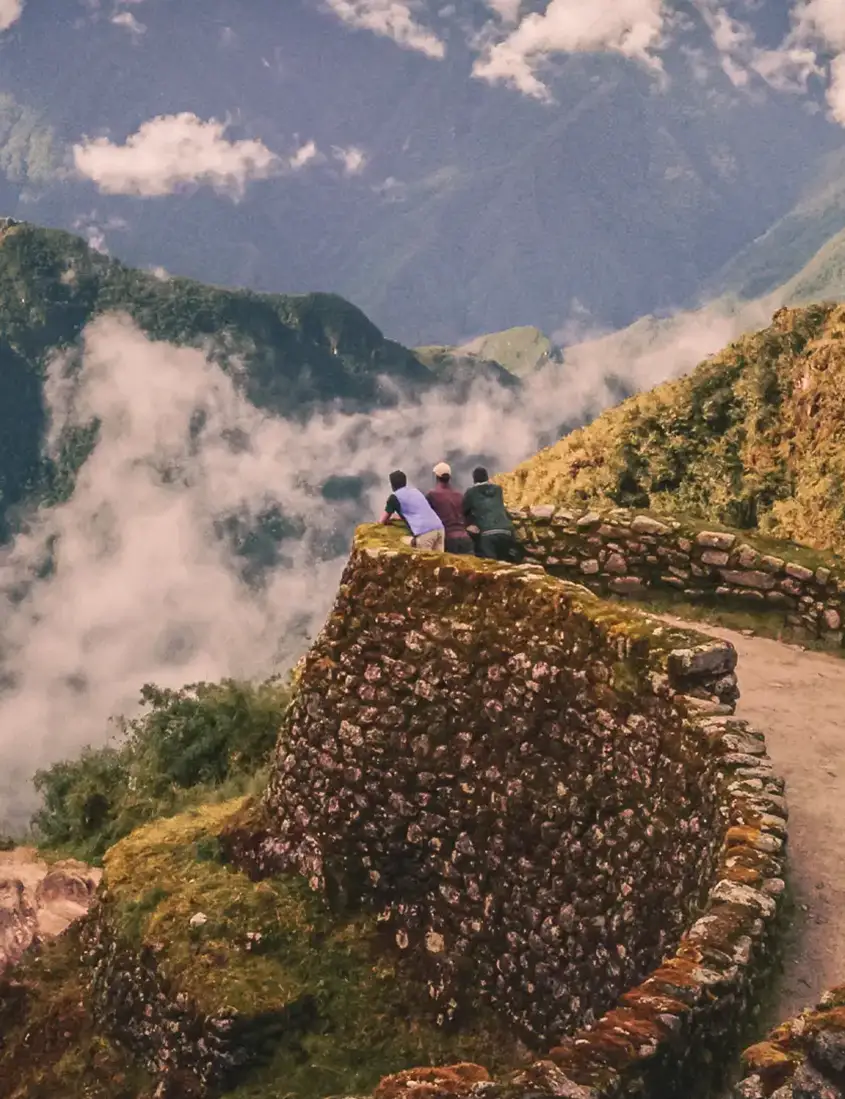


Uncover the ancient mysteries of Peru and Cusco with our archaeology tours. Follow in the footsteps of the Inca and other ancient civilizations as you explore all of the fascinating sites that Peru has to offer. With decades of experience planning archaeological tours and expeditions, our team of experts has what it takes to plan your perfect archaeological adventure. If you don’t see what you’re looking for below, don’t hesitate to contact us so we can help build you a custom itinerary.
 5 Stars - Based on 552 Client
Reviews
5 Stars - Based on 552 Client
Reviews
Uncover the ancient mysteries of Peru and Cusco with our archaeology tours. Follow in the footsteps of the Inca and other ancient civilizations as you explore all of the fascinating sites that Peru has to offer. With decades of experience planning archaeological tours and expeditions, our team of experts has what it takes to plan your perfect archaeological adventure. If you don’t see what you’re looking for below, don’t hesitate to contact us so we can help build you a custom itinerary.

Every itinerary is designed by local specialists who know the land, the culture, and the details that make a trip unforgettable. Enjoy authentic service and real value - no middlemen.
Reserve your adventure with just a 25% deposit and pay the rest upon arrival in Peru. Postpone your trip for free up to 30 days before the start date!

Local Business

Sustainable

Small Groups

Experienced Team

Get in Touch
Choose one of our curated trips or reach out with your ideas. We’ll respond within one business day to start planning your adventure.
Personalize Your Journey
Your travel advisor works with you to customize every detail, creating a trip that matches your pace, interests, and travel style.
Travel With Confidence
From the moment you arrive to your final farewell, we handle all the logistics. Relax and immerse yourself— We take care of the rest.
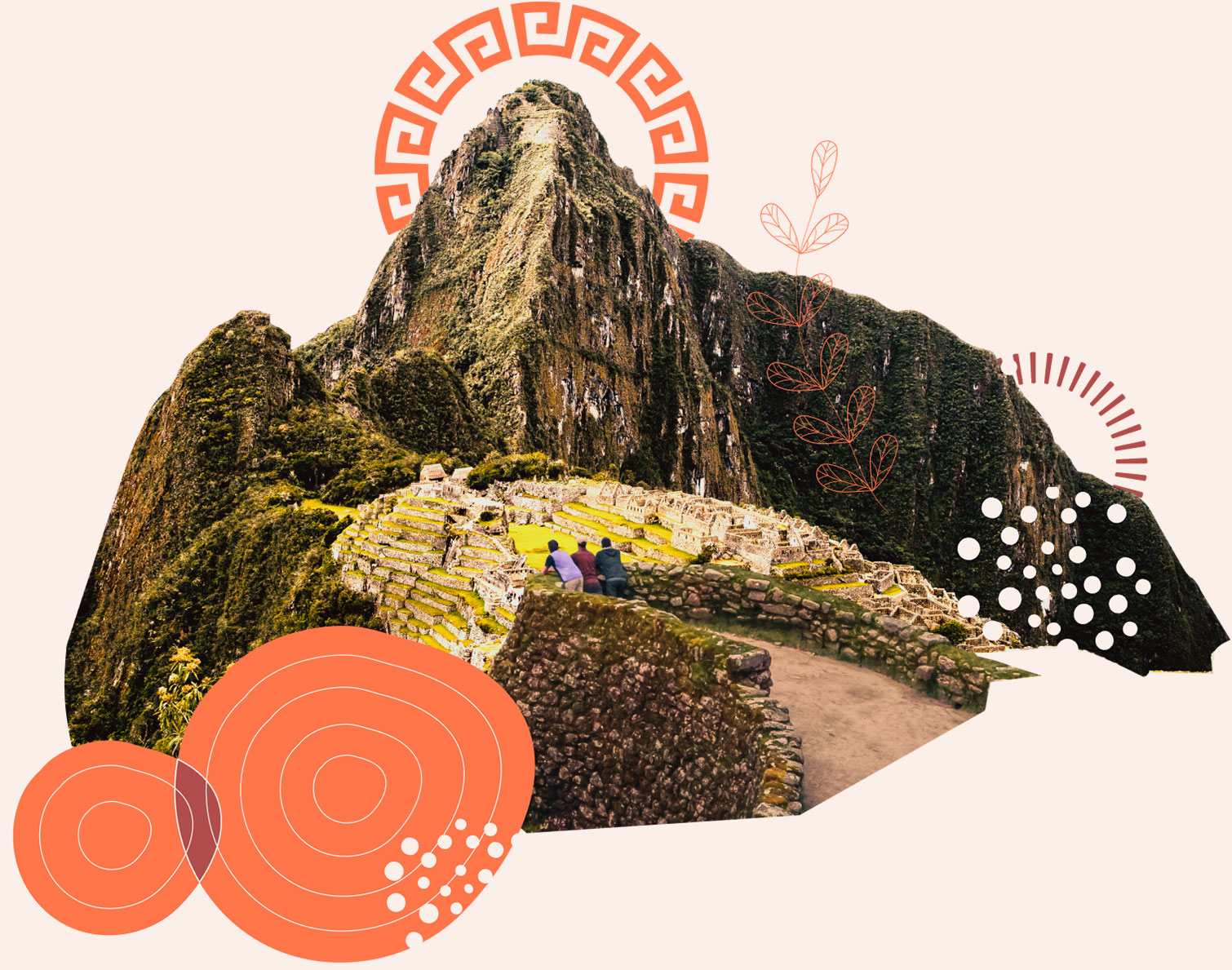
Peru isn’t just a destination — it’s a living museum where the past and present intertwine. From the mysteries of the Incas to pre-Columbian civilizations even older than Machu Picchu, every site tells a story etched into stone. With Cusco Native, you don’t just see ruins — you uncover their stories with expert local guides who bring history to life.
Peru’s diverse landscapes shelter some of the most iconic and mysterious sites in the Americas. Here are the highlights:
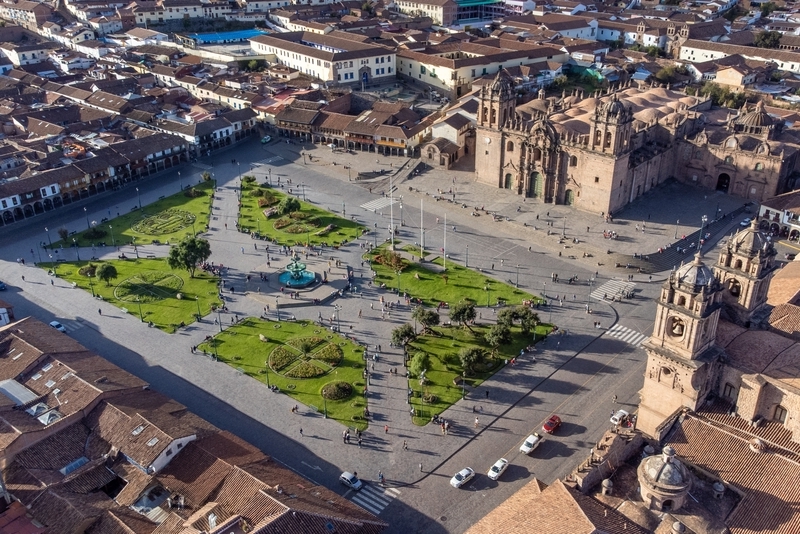
Once the capital of the Inca civilization, Cusco is a living museum of temples, fortresses, and cobblestone streets. From the monumental stones of Sacsayhuamán to the sacred Qorikancha, every corner reveals a layer of history waiting to be uncovered.
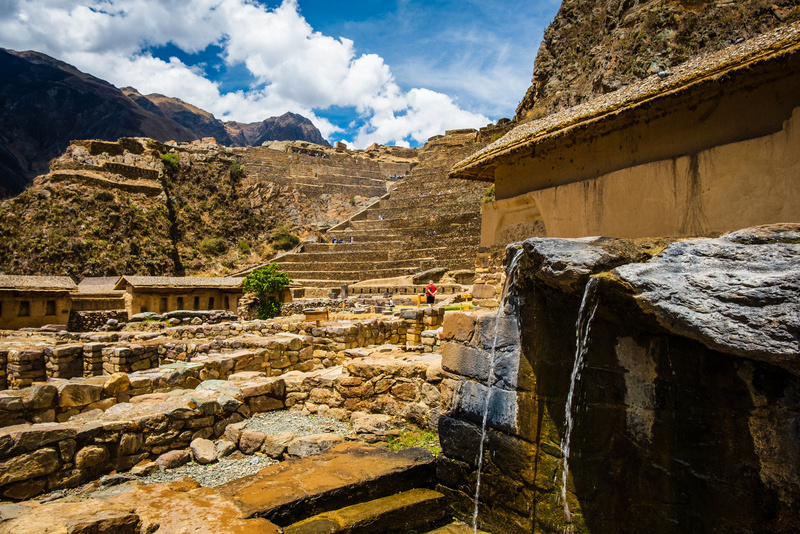
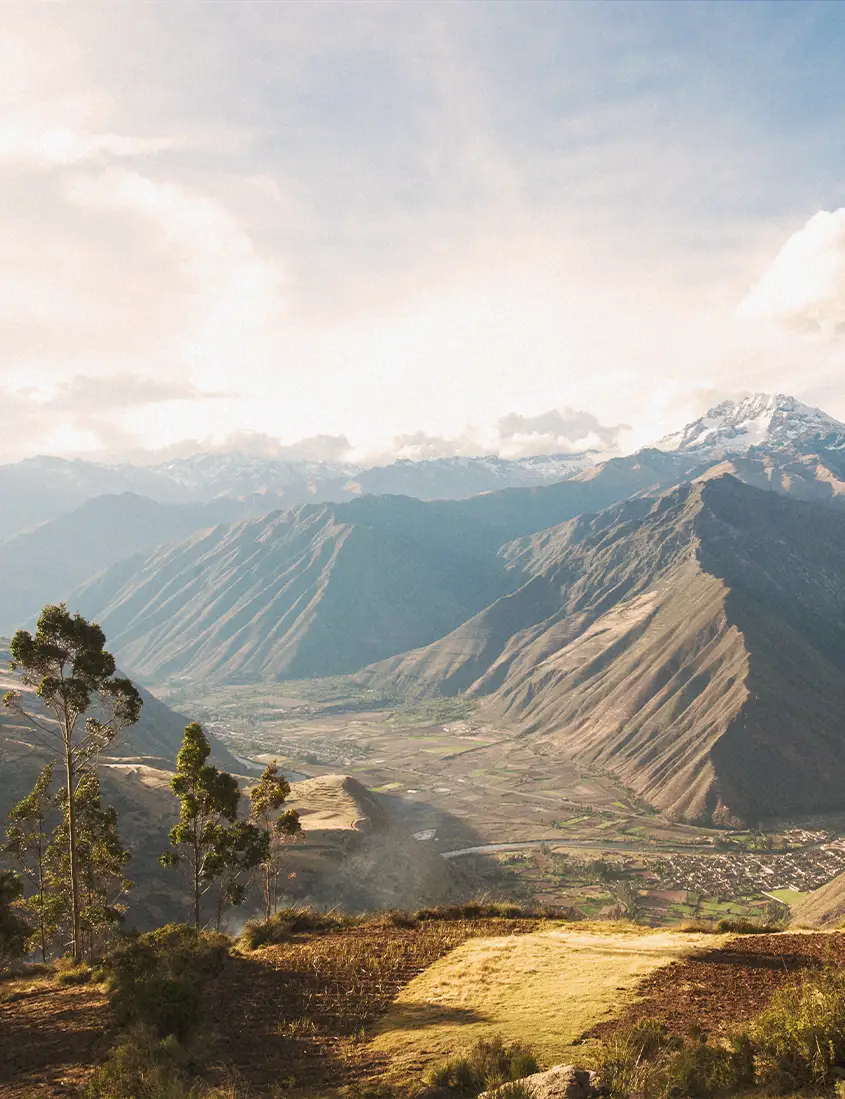
Nestled between majestic peaks, the Sacred Valley blends breathtaking landscapes with archaeological wonders. Explore the terraces of Pisac, the fortress of Ollantaytambo, and Moray’s experimental fields — each site showcasing the genius of Inca engineering and daily life.
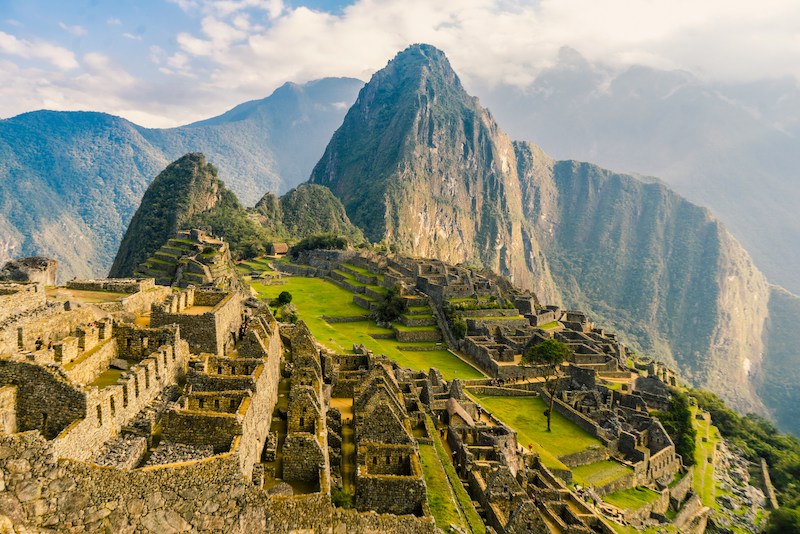
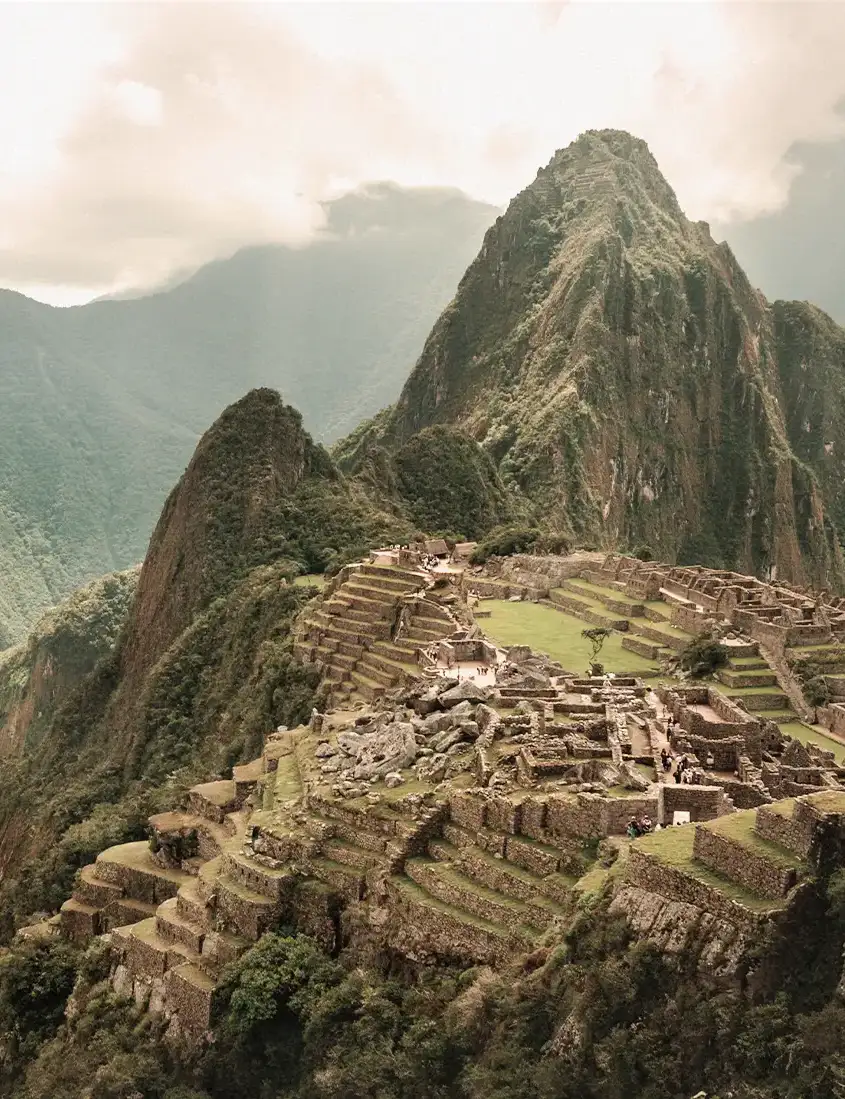
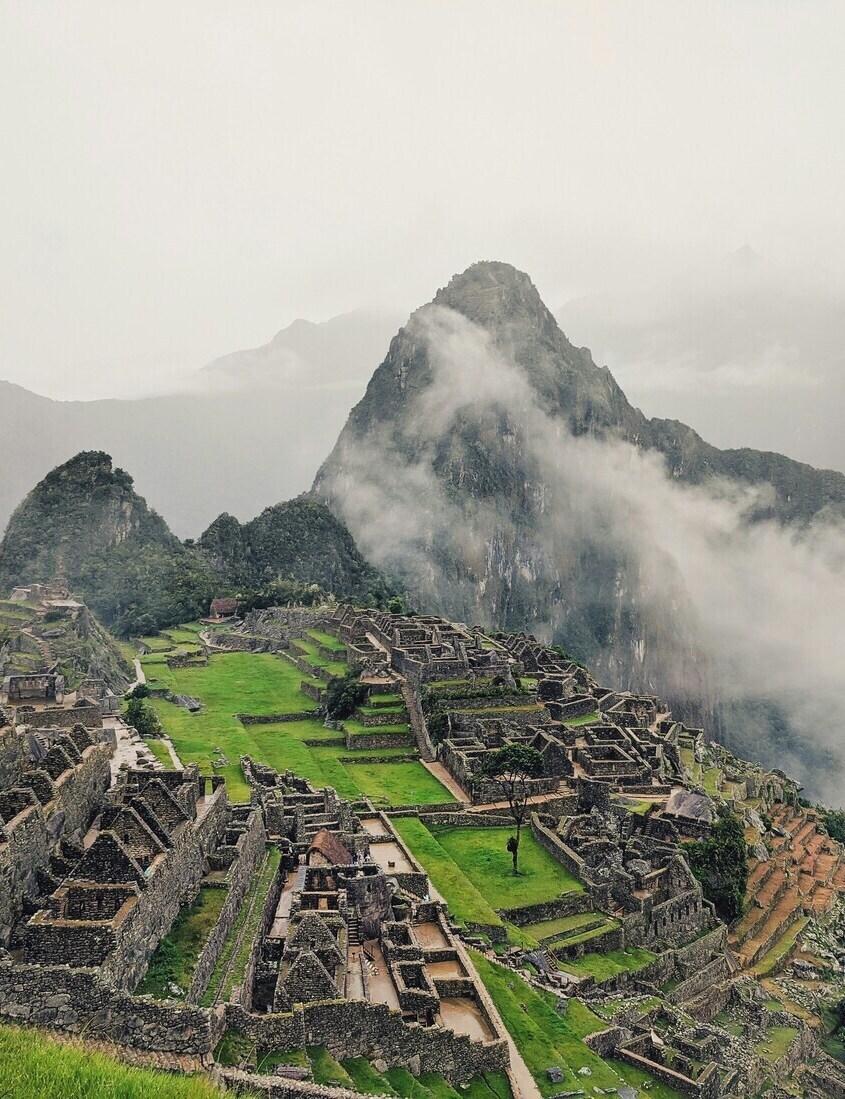
Crowned as one of the New Seven Wonders of the World, Machu Picchu is more than a bucket-list site — it’s a journey back in time. Perched high in the Andes, its temples, terraces, and panoramic views capture the essence of Inca spirituality and mastery.
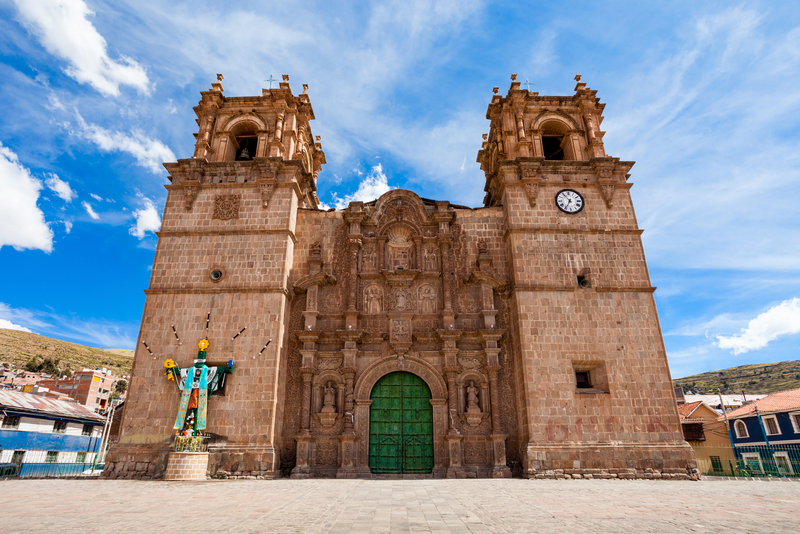
The world’s highest navigable lake holds deep spiritual meaning. Here, you’ll find the Pukara culture’s ceremonial centers, the funerary towers of Sillustani, and living traditions that link modern communities to their pre-Inca ancestors.

Often overlooked, Lima is where Peru’s archaeological journey begins. Explore Pachacamac, once a major pre-Inca pilgrimage site, and the city’s huacas rising among modern buildings. Top it off with world-class museums like Larco, where Peru’s entire story comes together.
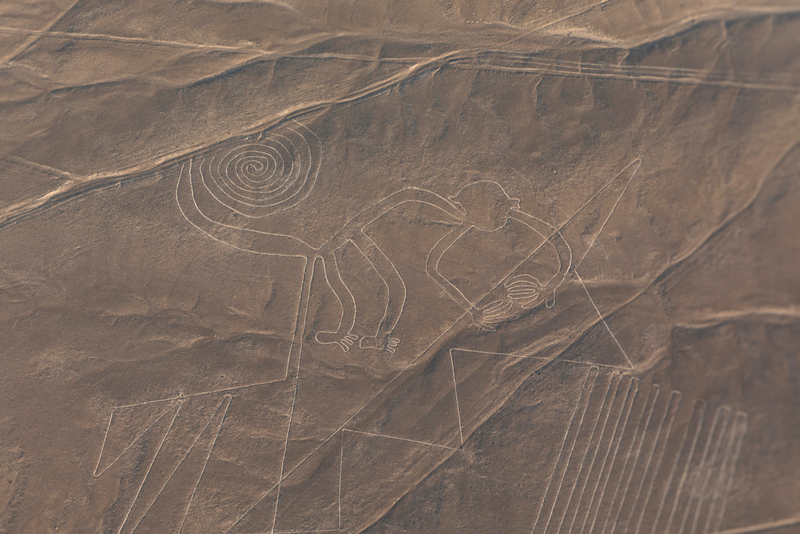
On Peru’s southern coast, the Nazca Lines stretch across the desert, giant geoglyphs still puzzling scientists today. Combine this with the enigmatic Chauchilla Cemetery and Cahuachi ceremonial center for a glimpse into a civilization that thrived long before the Incas.
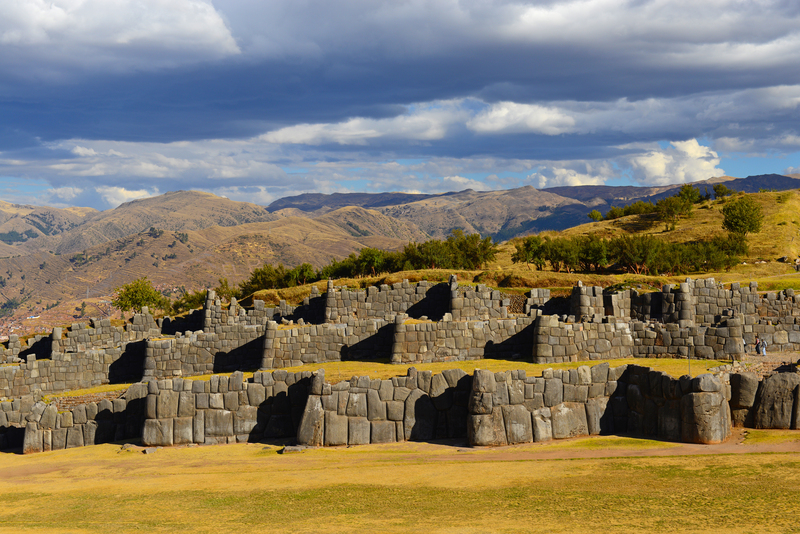
A colossal fortress overlooking Cusco, famous for its massive stone walls fitted so precisely that not even a blade of grass can fit between them.
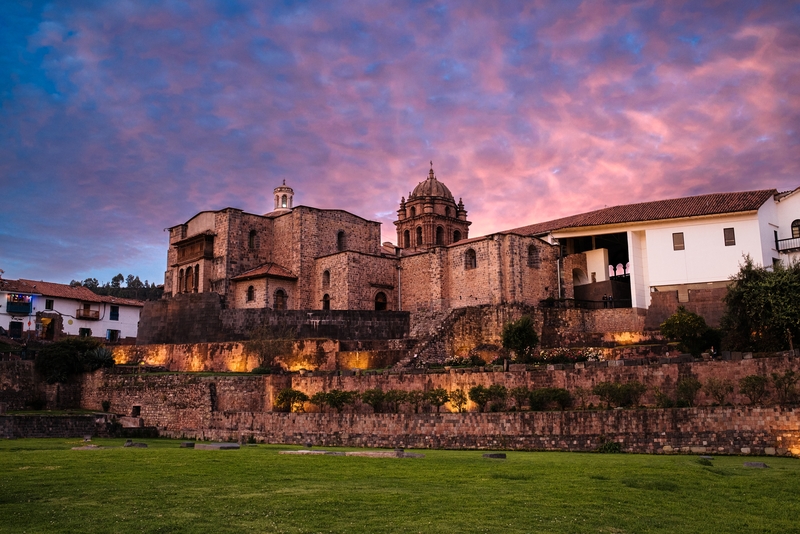
The Incas’ most sacred temple, once glittering with gold, whose fine stonework still survives beneath the colonial Santo Domingo convent.
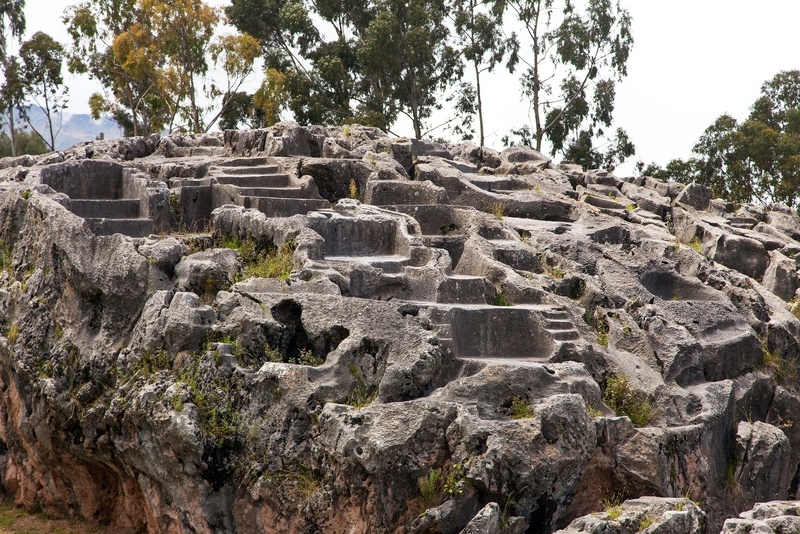
A ceremonial site carved into living rock, with altars, niches, and mysterious underground passages linked to Inca rituals.
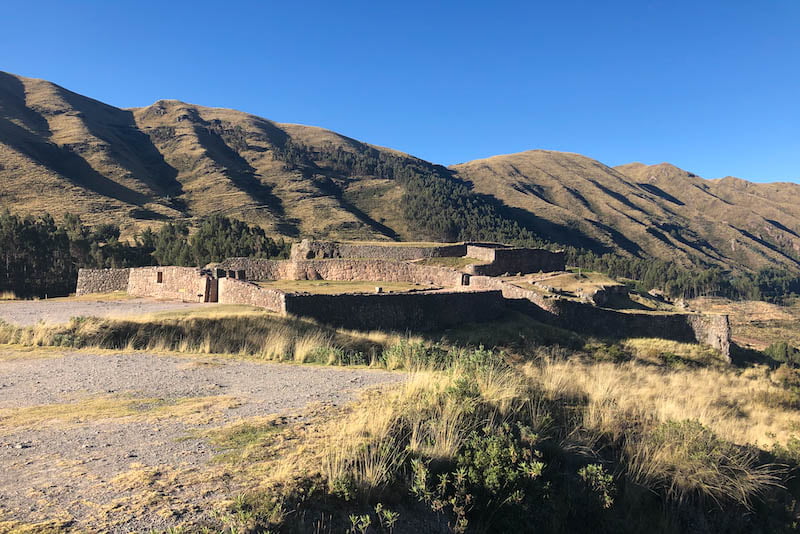
The “Red Fortress,” a military checkpoint and resting place that guarded Cusco’s approaches, offering sweeping views of the surrounding valleys.
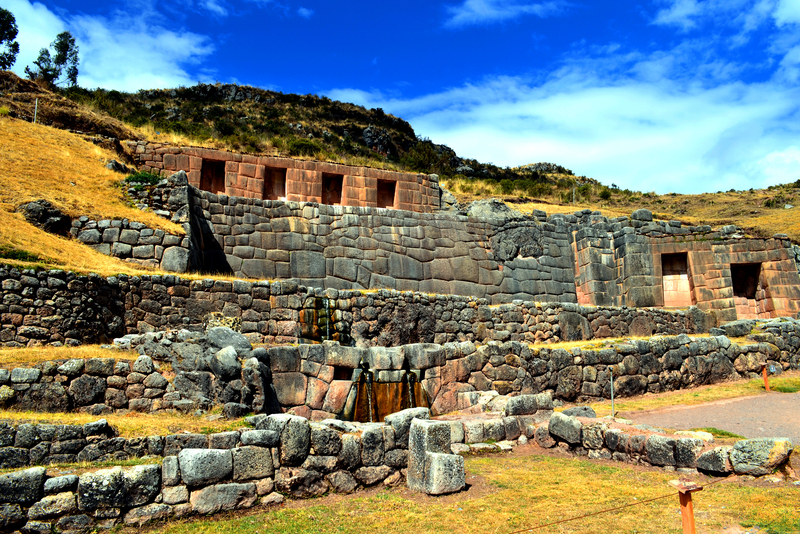
Known as the “Bath of the Inca,” this site features elegant stone fountains and channels still running with spring water, tied to purification rituals.
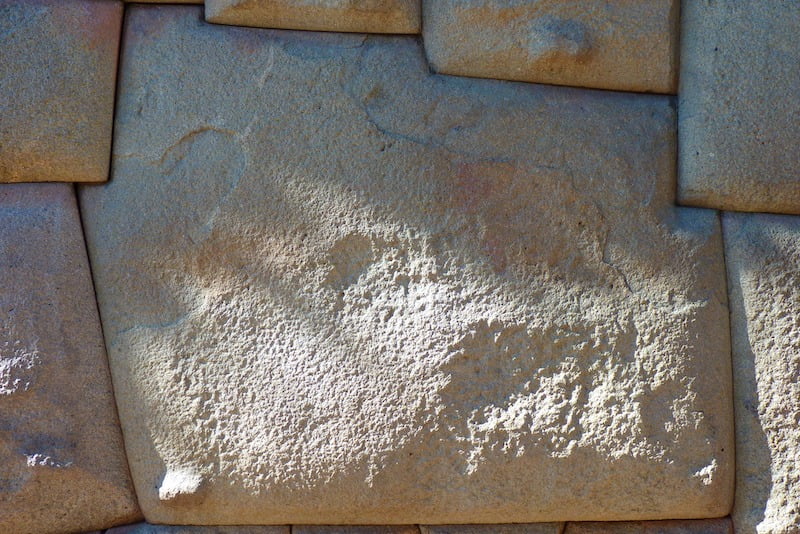
Set into the wall of Hatun Rumiyoc Street, this perfectly cut stone with twelve angles is a masterpiece of Inca masonry and one of Cusco’s most photographed landmarks.
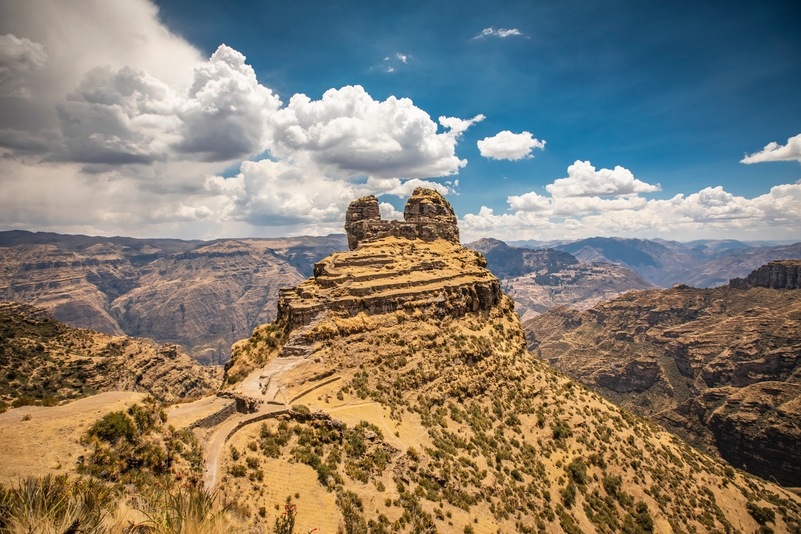
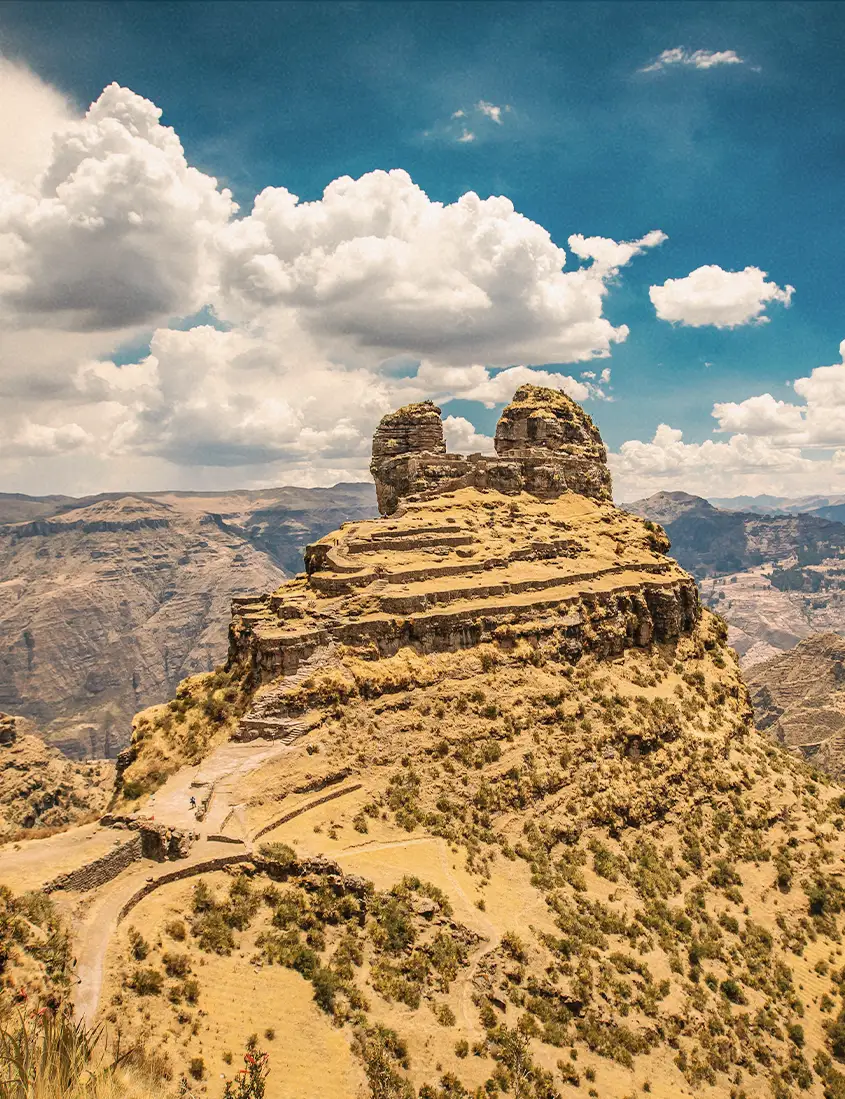
Perched on a mountain ridge, Waqrapukara, the “Horned Fortress,” is a remote Inca site with terraces, ceremonial platforms, and stunning views.
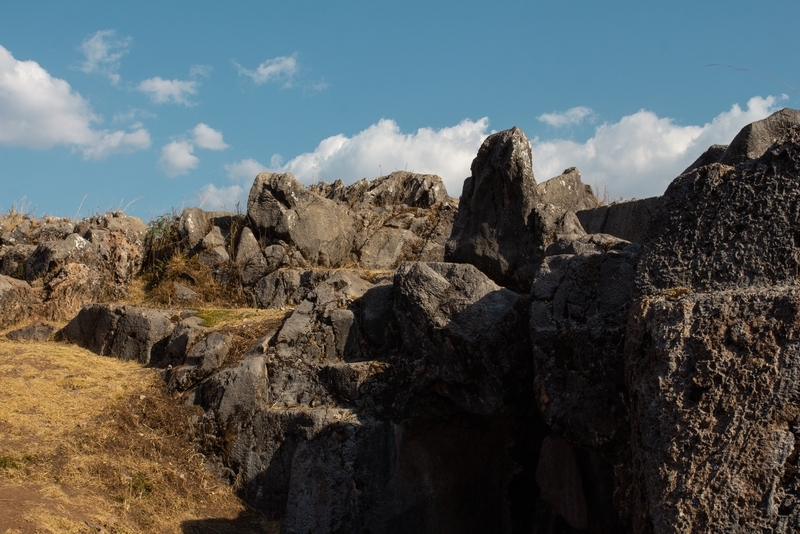
Just outside Cusco, Inkilltambo showcases Inca terraces, ceremonial platforms, and stone structures, offering a peaceful yet captivating glimpse into the engineering and rituals of the Inca civilization.
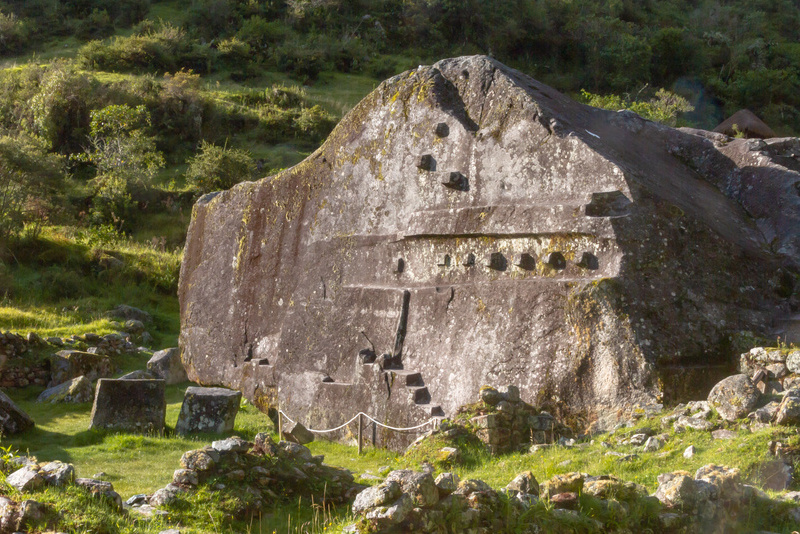
Located in the Vilcabamba region, Yuraq Rumi (“White Stone”) features carved rock formations, terraces, and ceremonial areas, offering a unique glimpse into ancient Inca rituals and engineering.
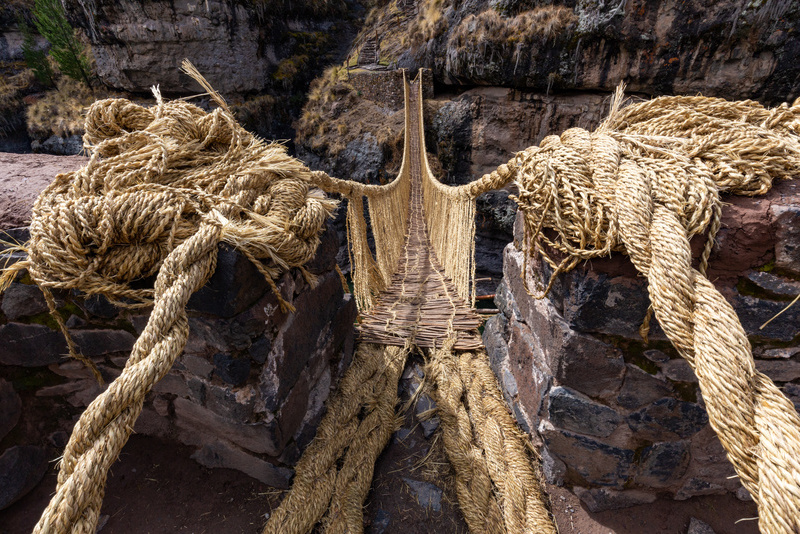
The last remaining Inca rope bridge, spanning the Apurímac River, rebuilt annually by local communities using traditional techniques—a living testament to Inca engineering and culture.
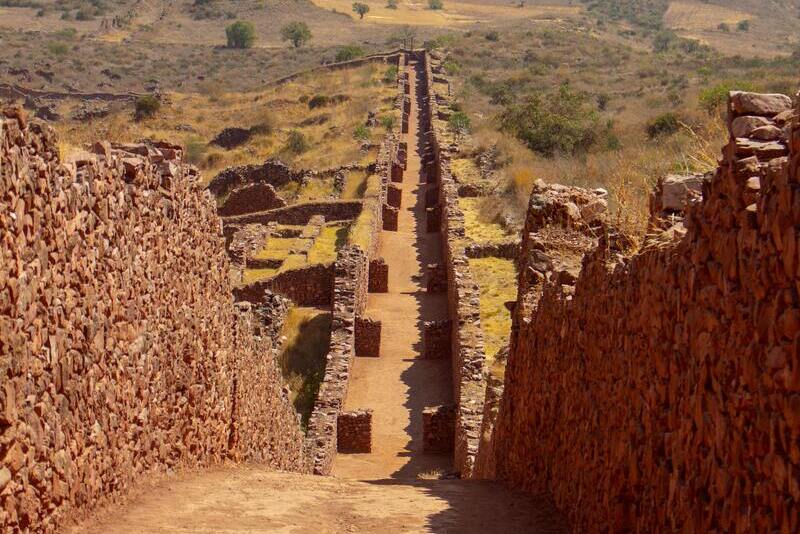
A vast pre-Inca city built by the Wari culture, featuring hundreds of adobe structures, plazas, and long streets—offering a glimpse into Andean urban planning before the rise of the Inca Empire.
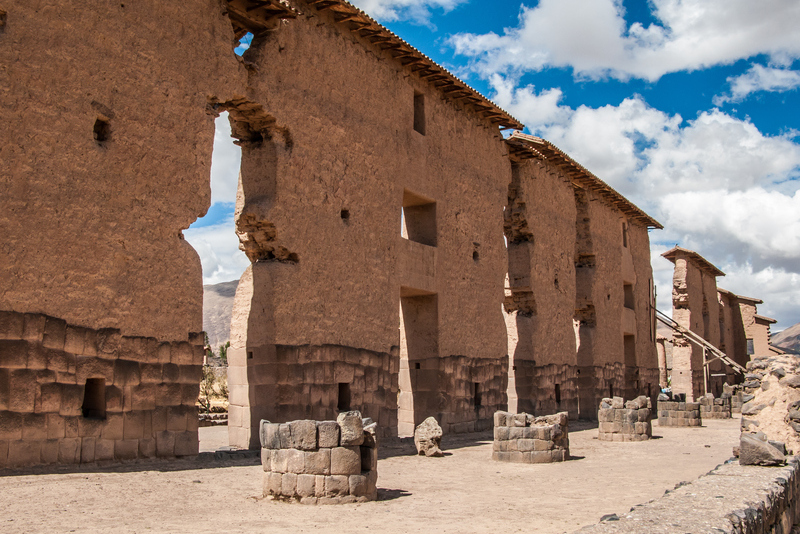
Known as the Temple of Wiracocha, this impressive site showcases massive stone columns, Inca walls, and ceremonial platforms, highlighting the scale and spiritual significance of Inca architecture.
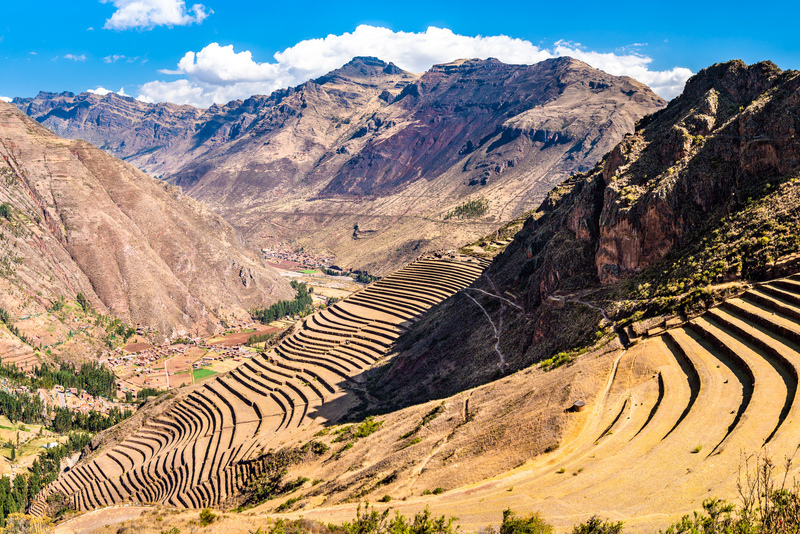
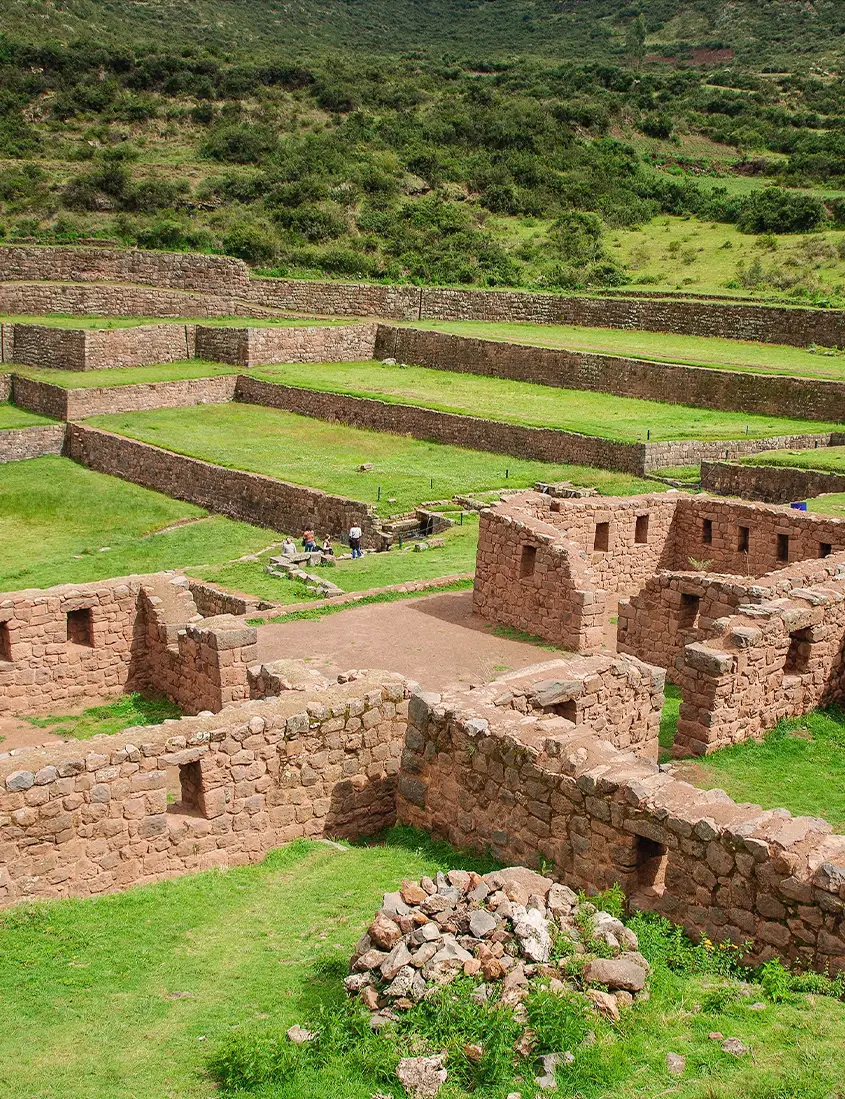
Famous for its agricultural terraces, ceremonial baths, and stunning hilltop fortress that guarded the valley’s entrance.
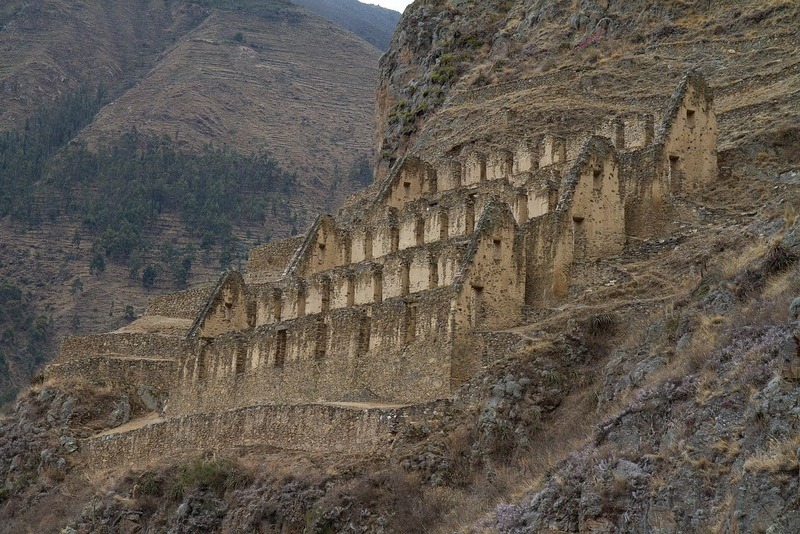
A living Inca town with a massive fortress, temple remains, and some of the most impressive terraces in the Andes, plus the Pinkuylluna storehouses overlooking the valley.
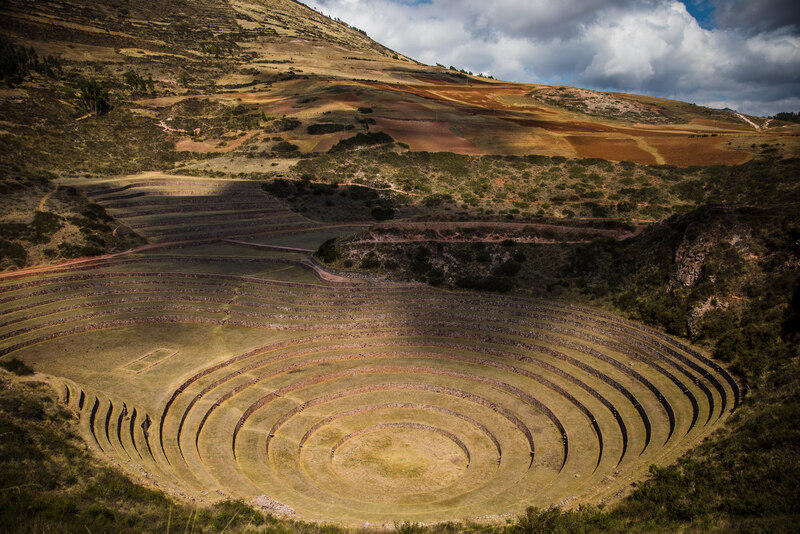
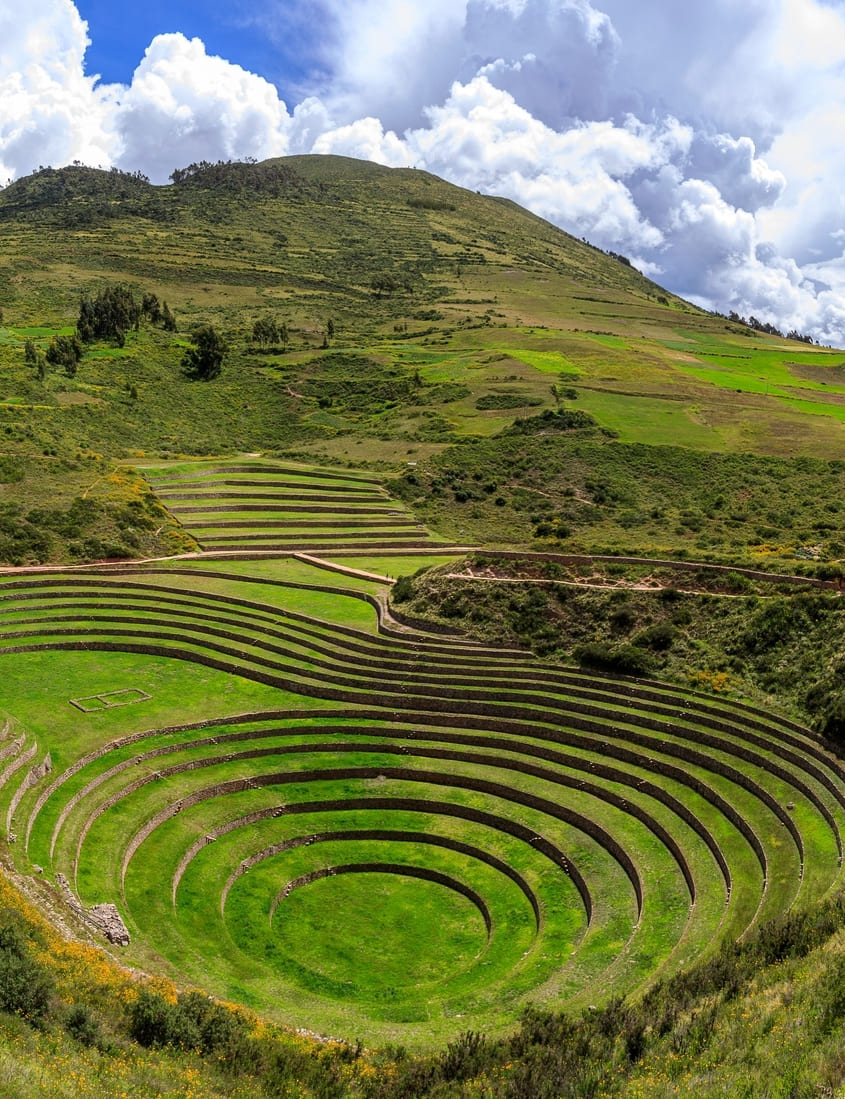
Circular terraces forming an agricultural laboratory where the Incas experimented with crops and microclimates.
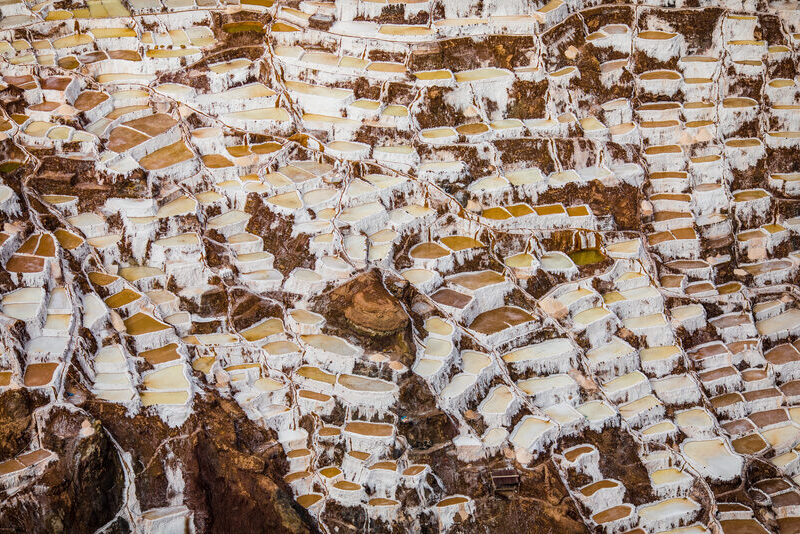
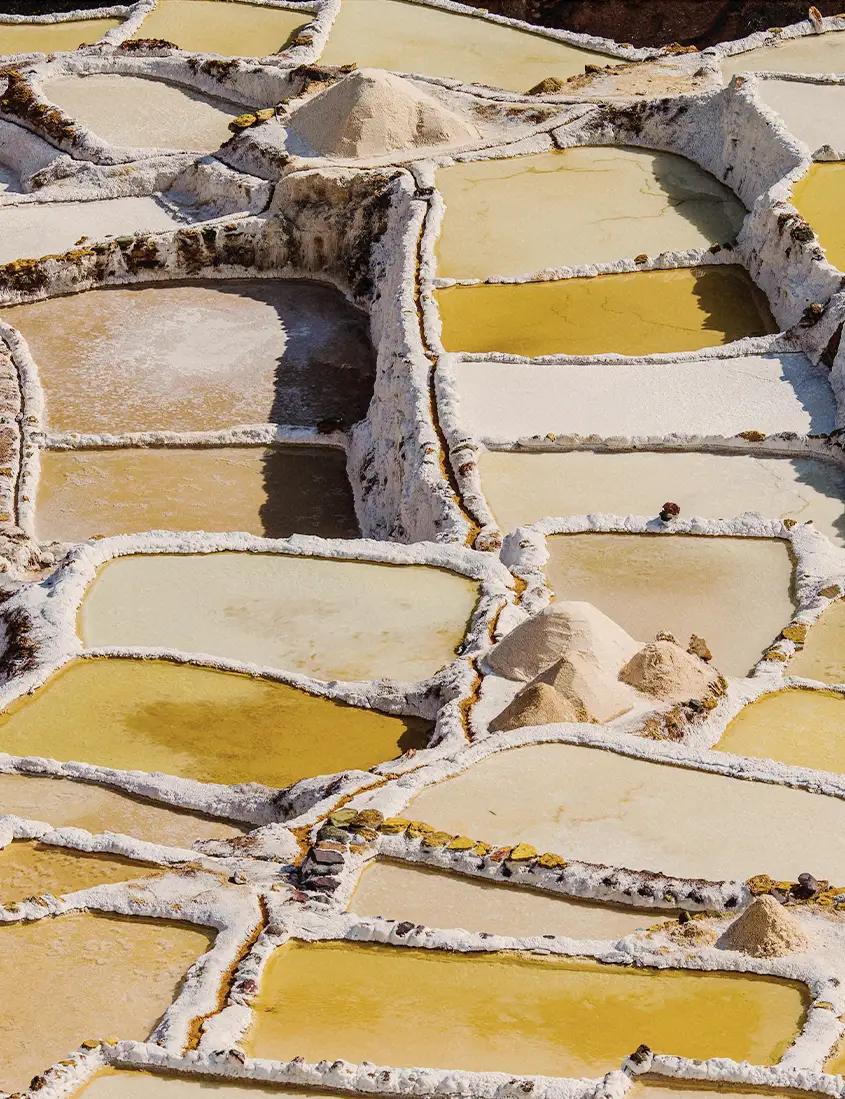
Not purely Inca, but in use since pre-Hispanic times — thousands of salt pans cascading down the hillside, still worked by local families.

Known as the “birthplace of the rainbow,” it combines Inca ruins, terraces, and a colonial church built atop an Inca palace.
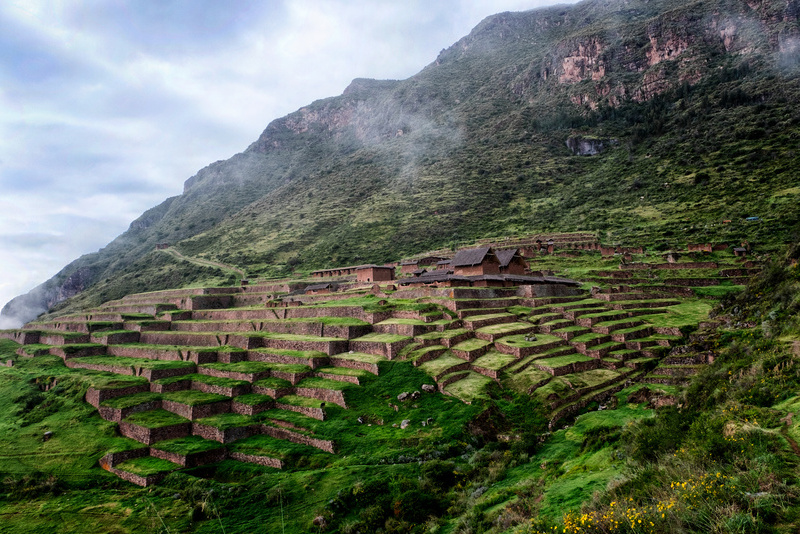
Perched above the valley, this “Little Cusco” offers sweeping views and stone structures that echo the architectural style of the Inca capital.
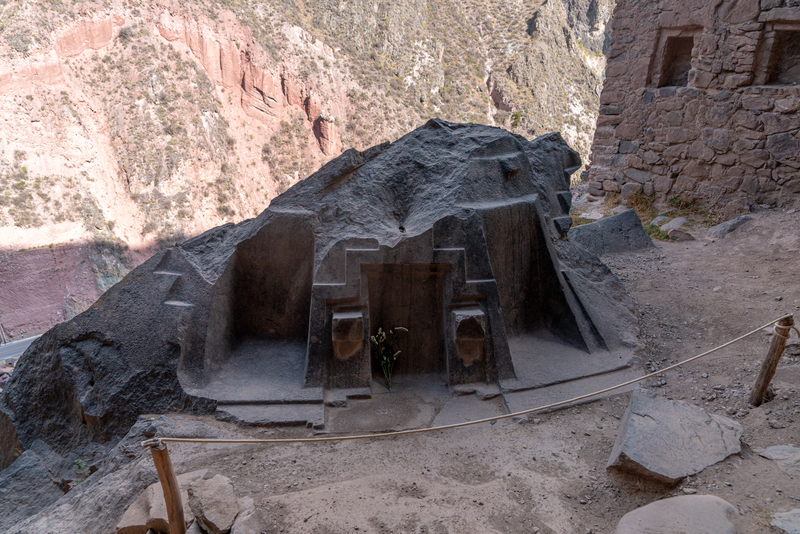
A ceremonial cave and rock sanctuary with carved niches and portals. Still sacred to locals, it offers insight into Andean spirituality and lesser-known Inca traditions.
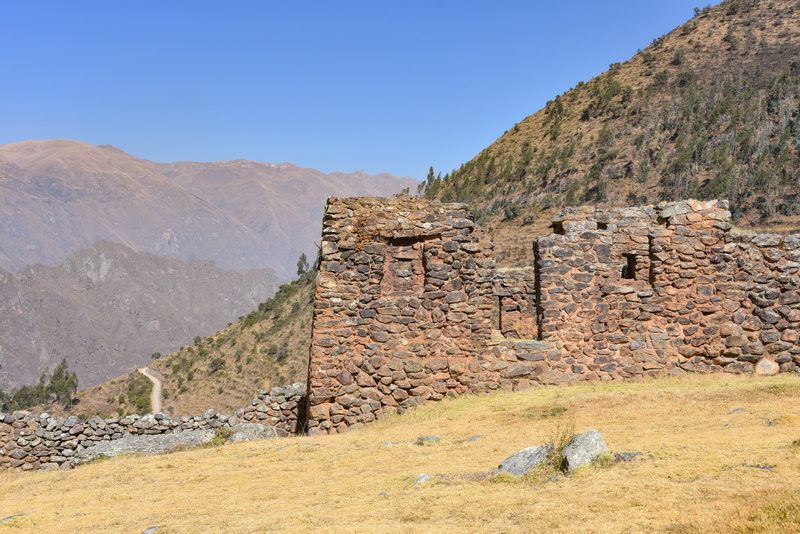
A fortress near Ollantaytambo with defensive walls, terraces, and watchtowers — great for travelers looking for a less-visited site.
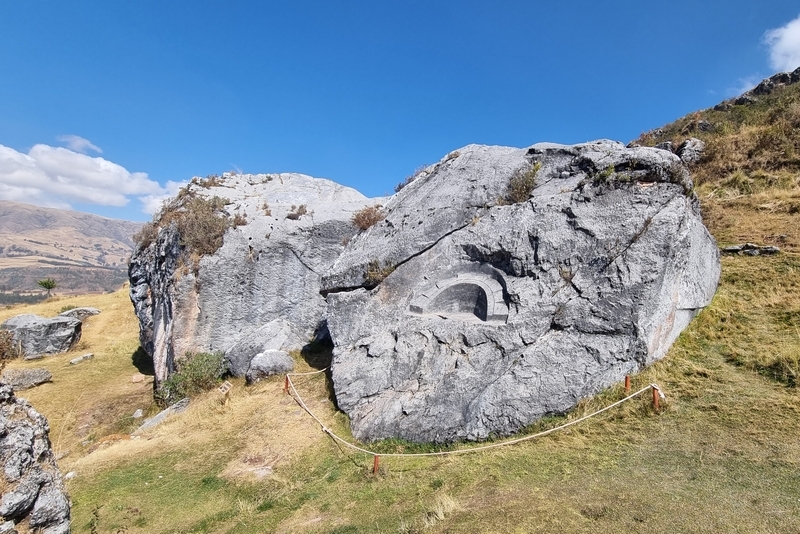
A lunar sanctuary with terraces and carved stones once used for rituals honoring the moon. Its ceremonial layout reflects the Inca’s deep cosmic and agricultural connections.
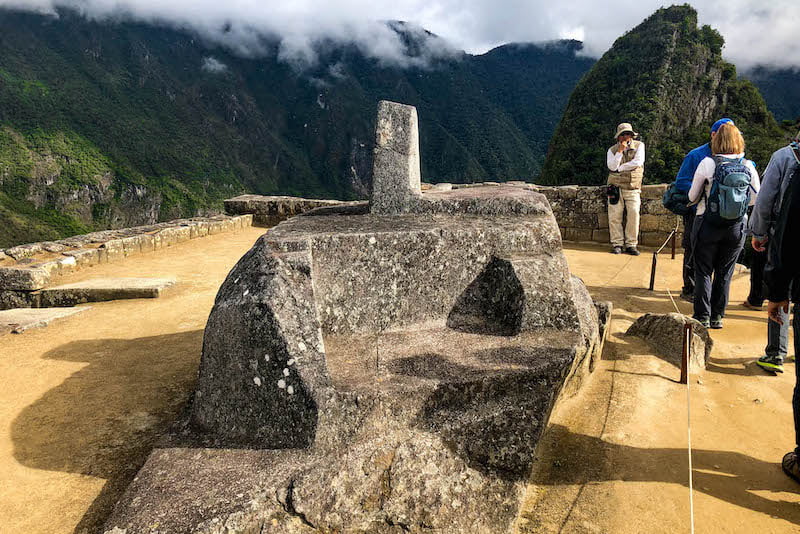
A carved ritual stone used by the Incas as an astronomical clock and calendar, reflecting their sophisticated knowledge of the cosmos.
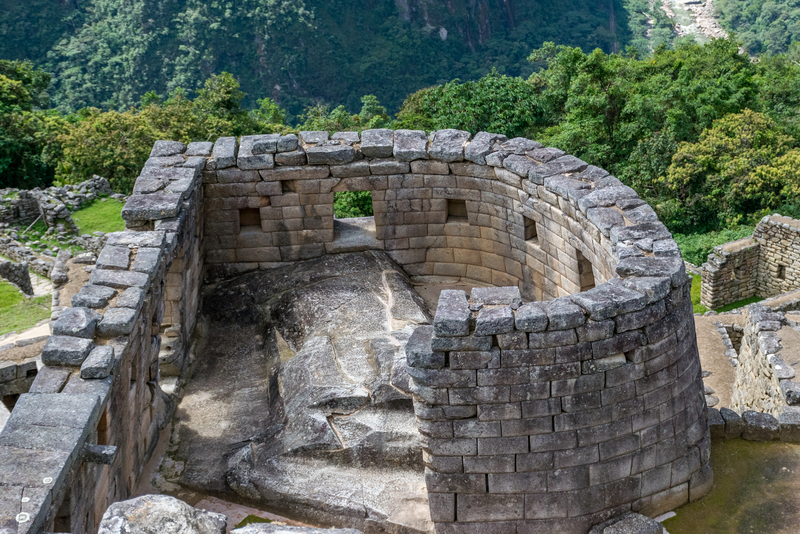
A semicircular sanctuary aligned with the solstices, where sacred ceremonies were performed to honor Inti, the Sun God.
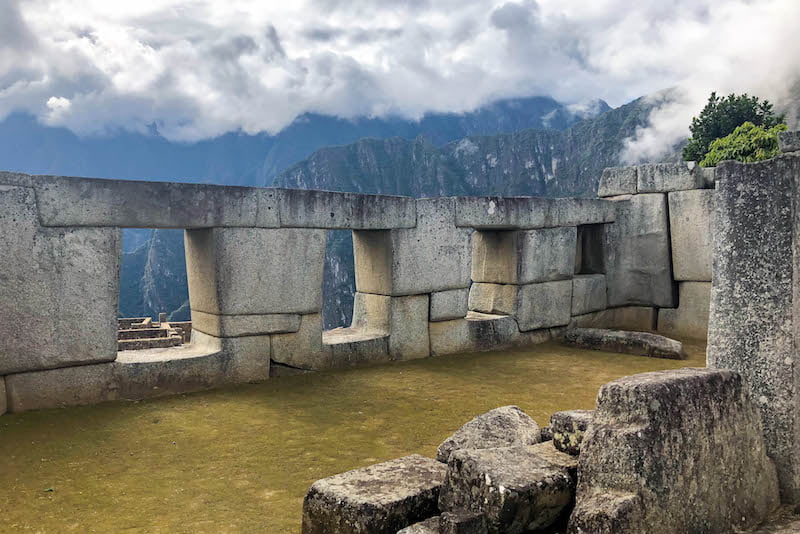
A sacred site featuring three large trapezoidal windows, demonstrating the precision and elegance of Inca stonework.
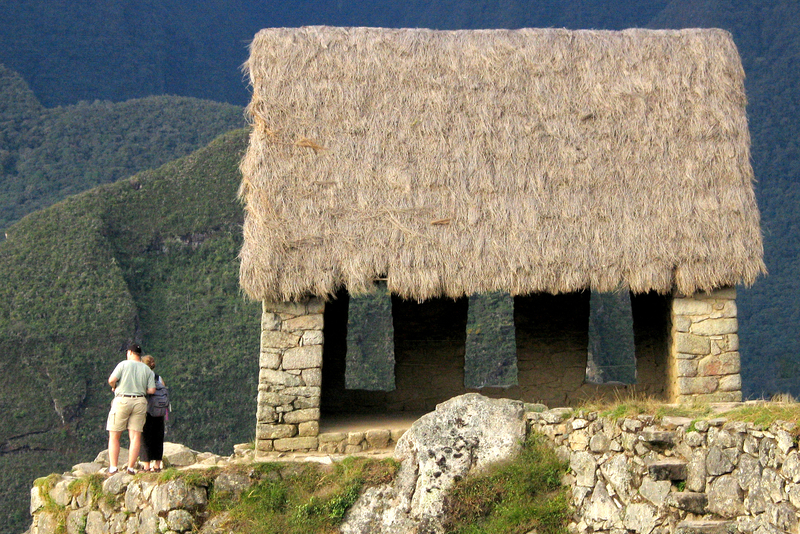
A strategic lookout providing panoramic views of Machu Picchu and the surrounding mountains, perfect for appreciating the site’s grandeur.
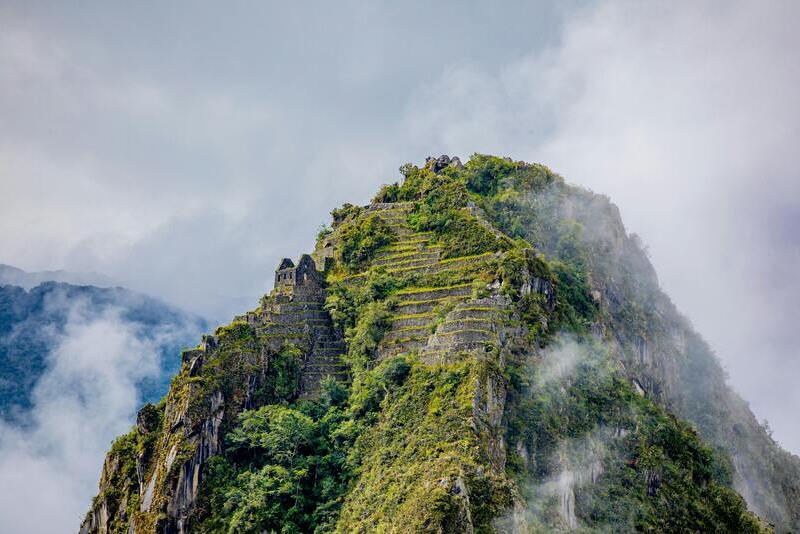
The mountain sanctuary that houses secondary temples, terraces, and ritual sites, suggesting its role in pilgrimage and elite ceremonial use.
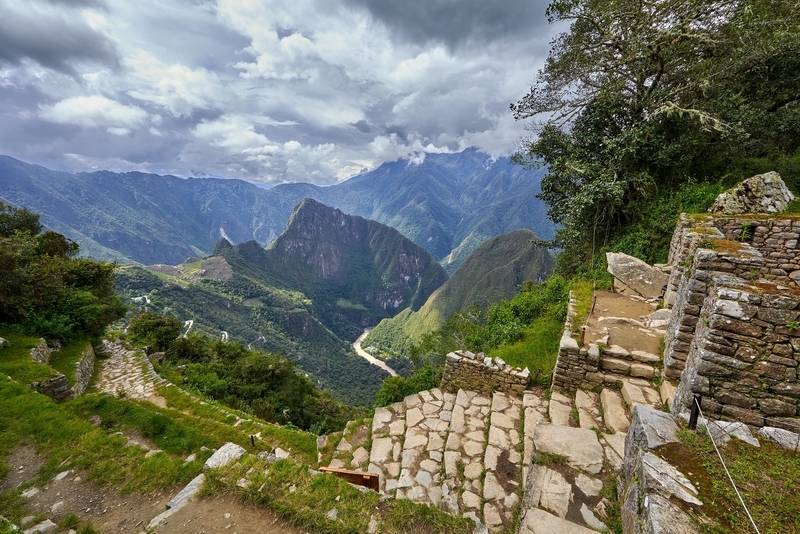
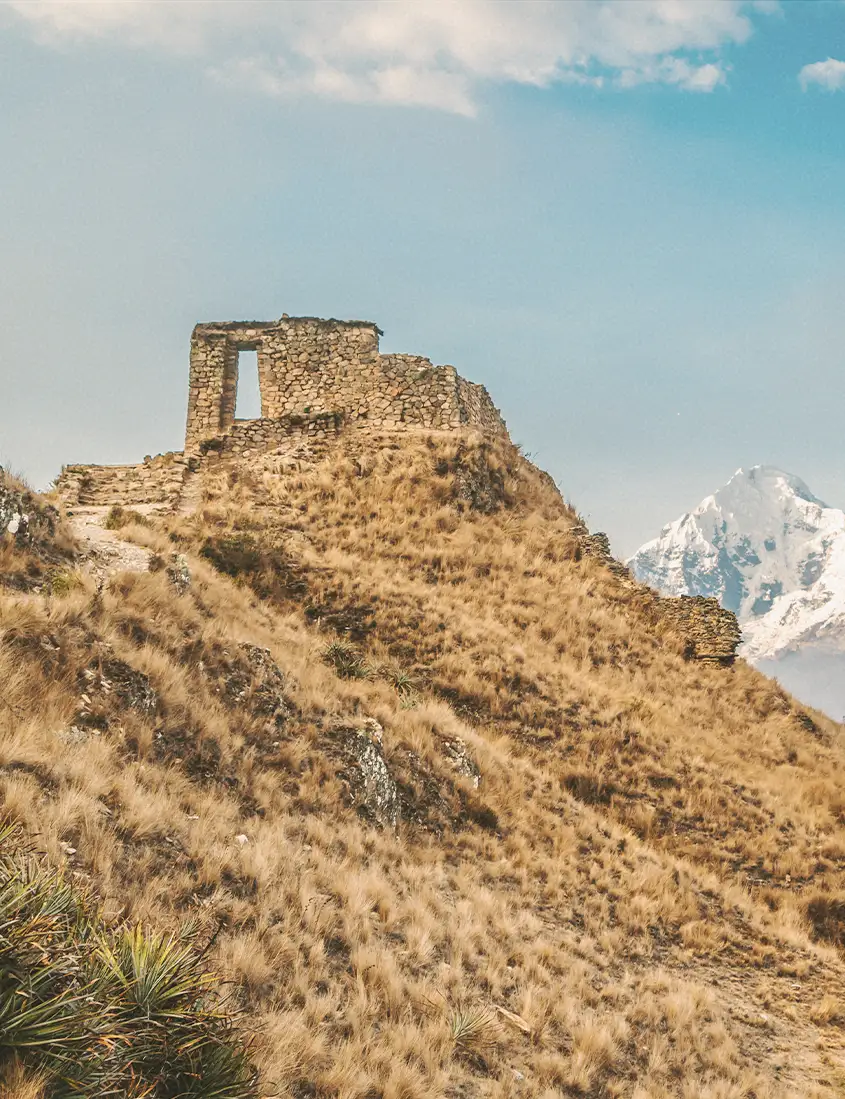
The monumental entrance to the site, designed as a solar observatory and checkpoint for those arriving via the Inca Trail.
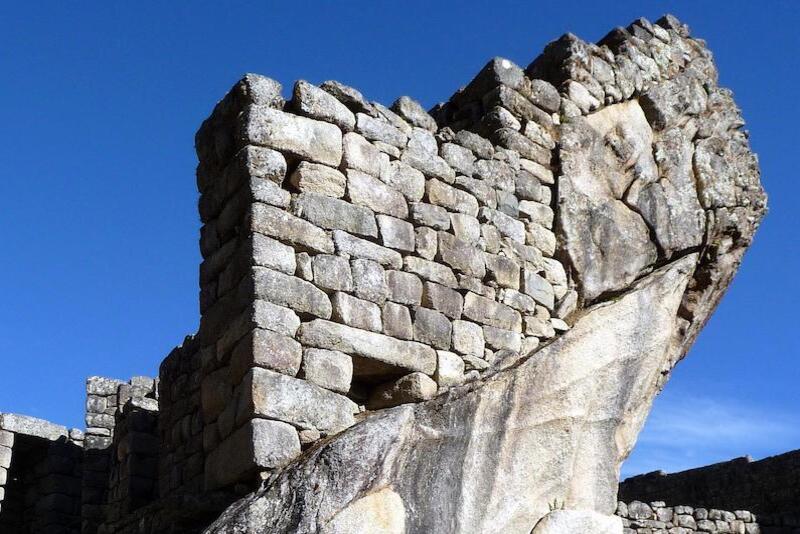
A ceremonial complex where sculpted stone and natural rock form the image of a condor, linking ritual architecture with Andean sacred symbolism.
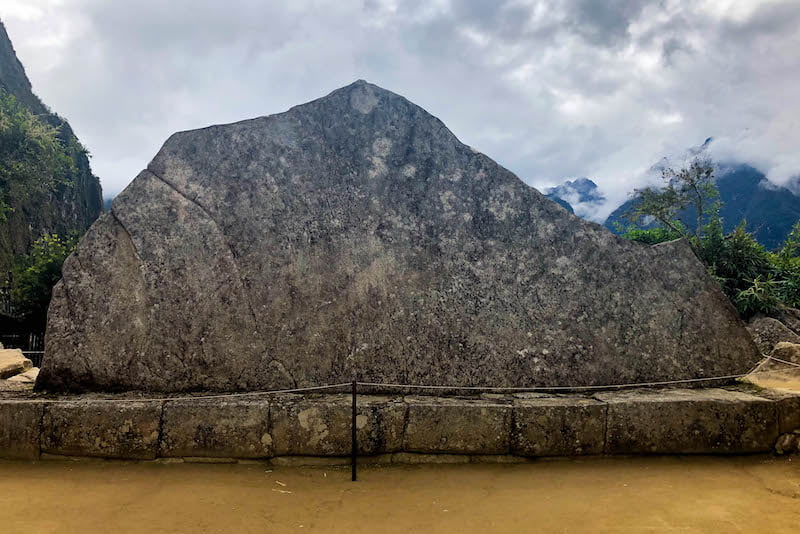
A massive carved monolith aligned with surrounding peaks, venerated as a huaca and used for rituals tied to the spiritual landscape.
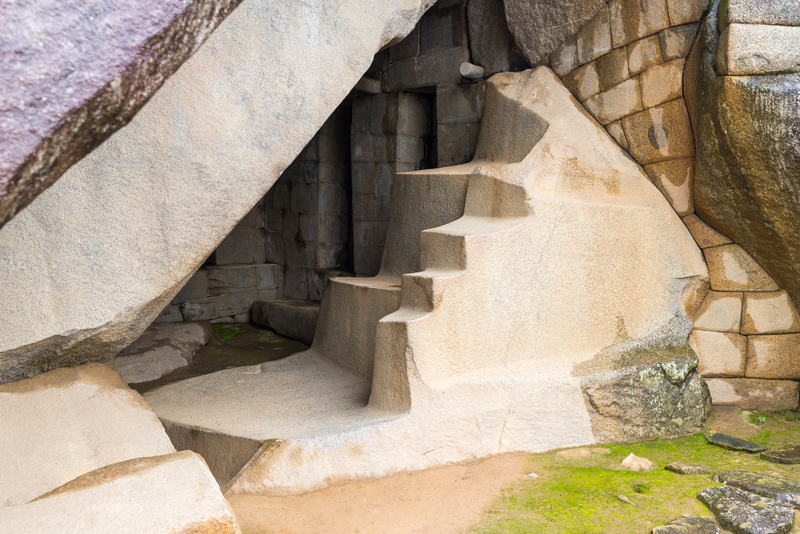
A finely crafted structure beneath the Temple of the Sun, thought to have been used for elite burials or religious offerings.
Beyond the citadel itself, the Inca Trail to Machu Picchu is dotted with remarkable sites such as:
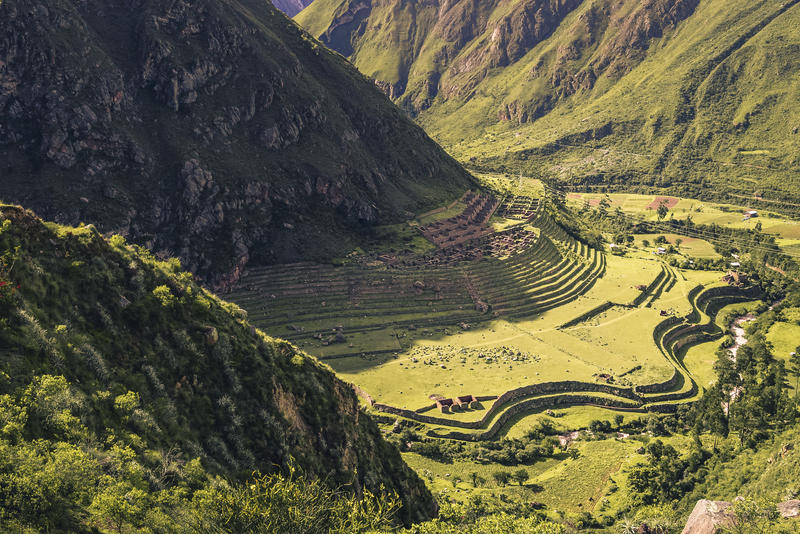
A large agricultural and administrative site with extensive terraces and storehouses, serving as a key control point along the trail.
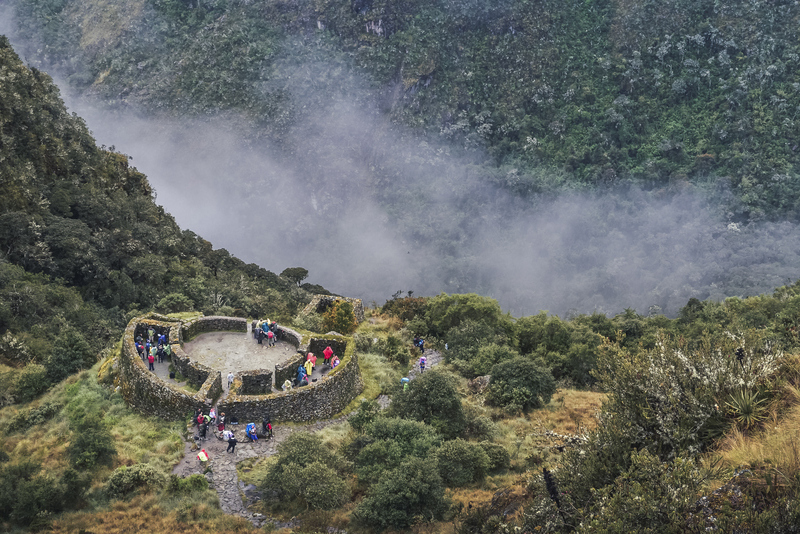
A circular stone structure believed to be a tambo (resting lodge), strategically positioned overlooking the valley.
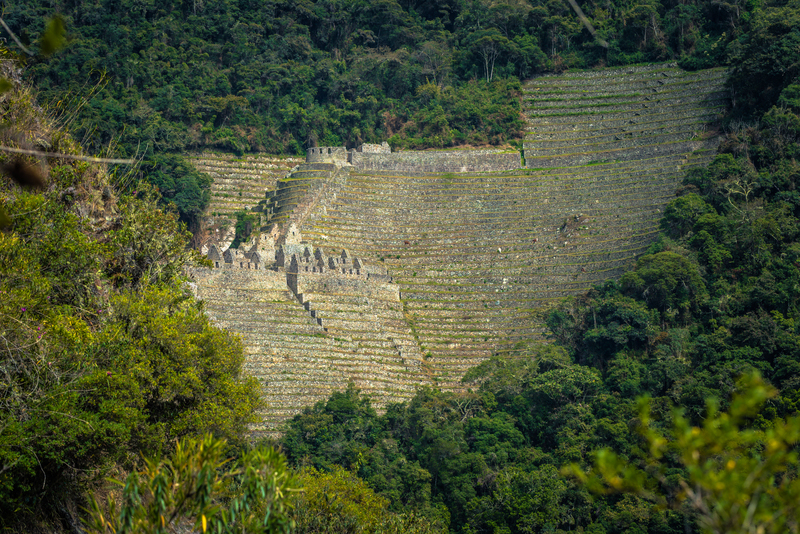
An elegant ceremonial and residential site, with finely crafted terraces, fountains, and shrines dedicated to water and fertility.
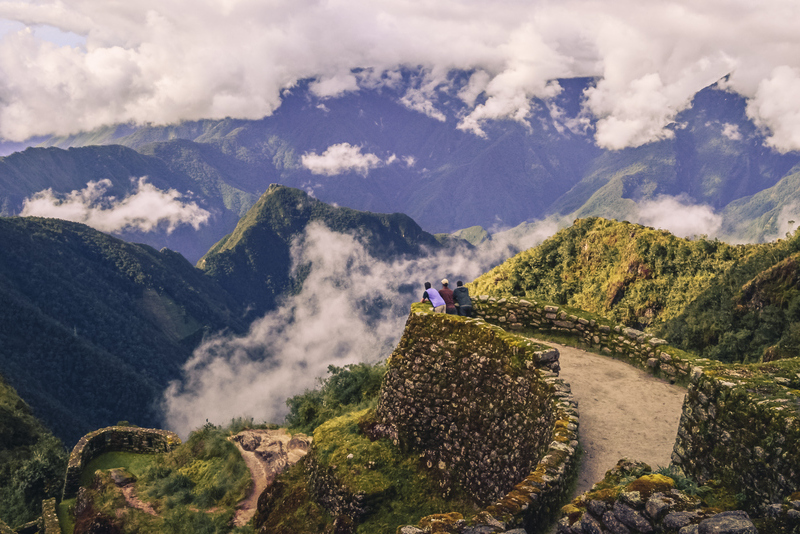
Known as the “Town Above the Clouds,” this site features ritual baths, plazas, and ceremonial fountains.
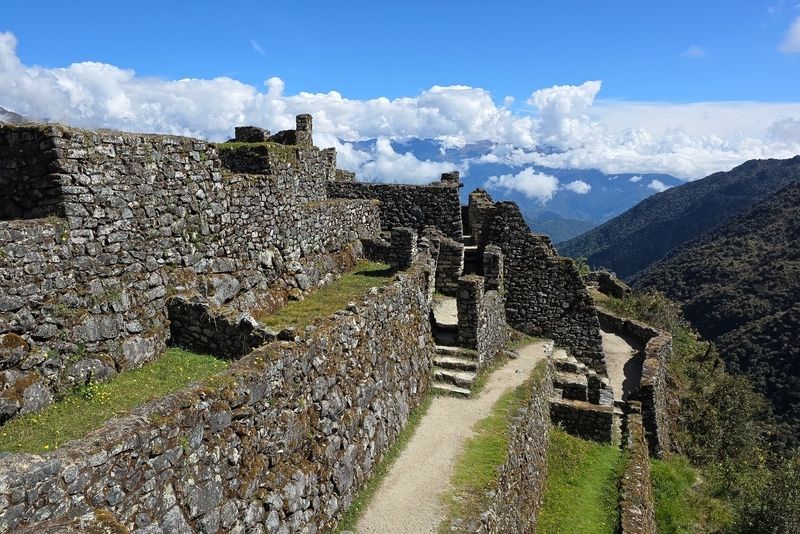
A dramatic fortress-like site perched on a ridge, with labyrinthine passages and ritual enclosures.
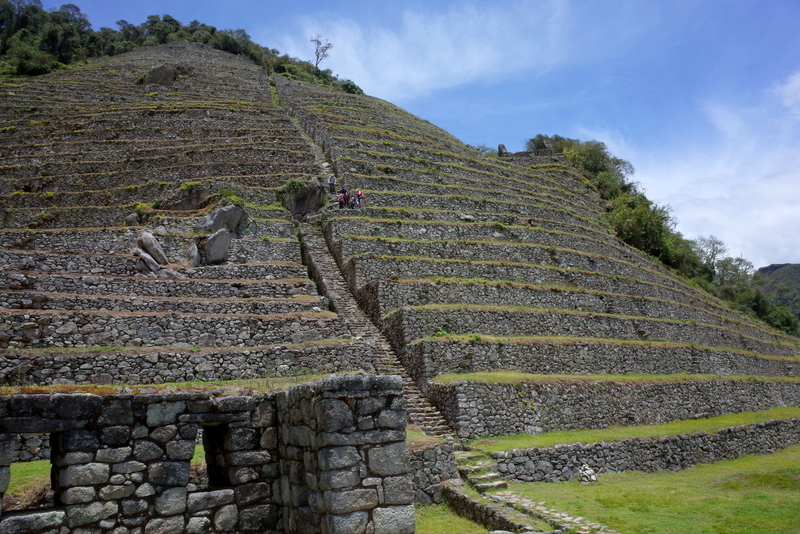
A sweeping complex of agricultural terraces showcasing Inca mastery of mountain farming.
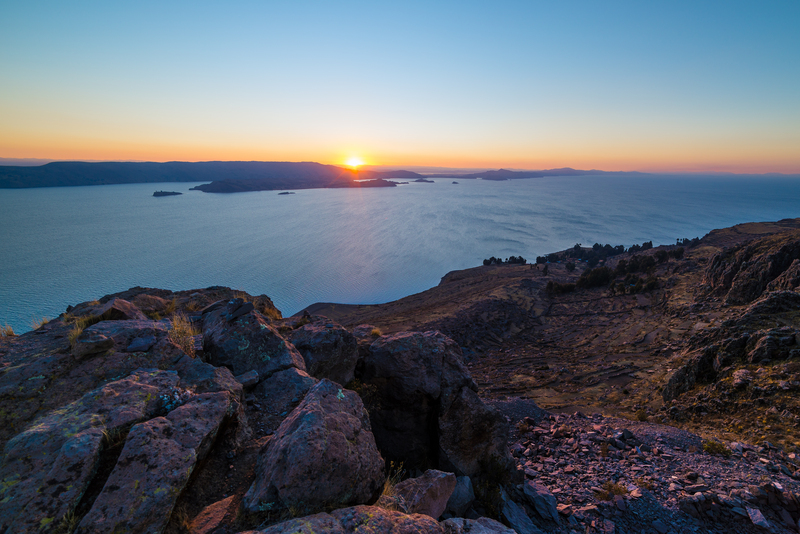
Famous for its twin hilltop temples dedicated to Pachamama (Mother Earth) and Pachatata (Father Earth), where ancient rituals are still performed by locals.
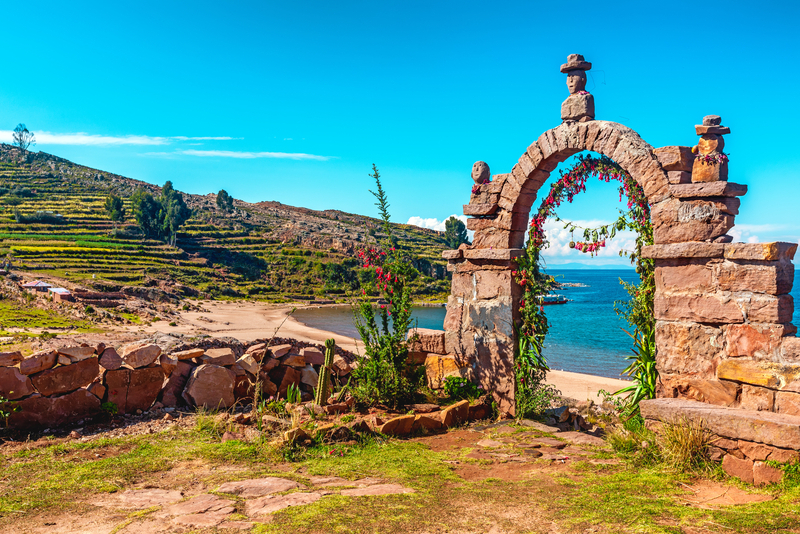
Home to Inca terraces and pathways, this island is also known for its living culture and UNESCO-recognized textile traditions.
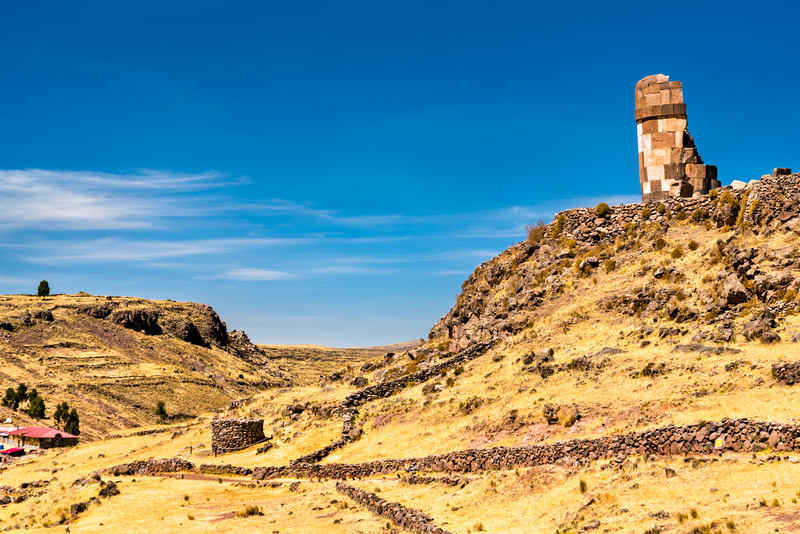
A striking pre-Inca and Inca funerary complex, where towering chullpas (burial towers) overlook Lake Umayo, showcasing Colla and Inca engineering.
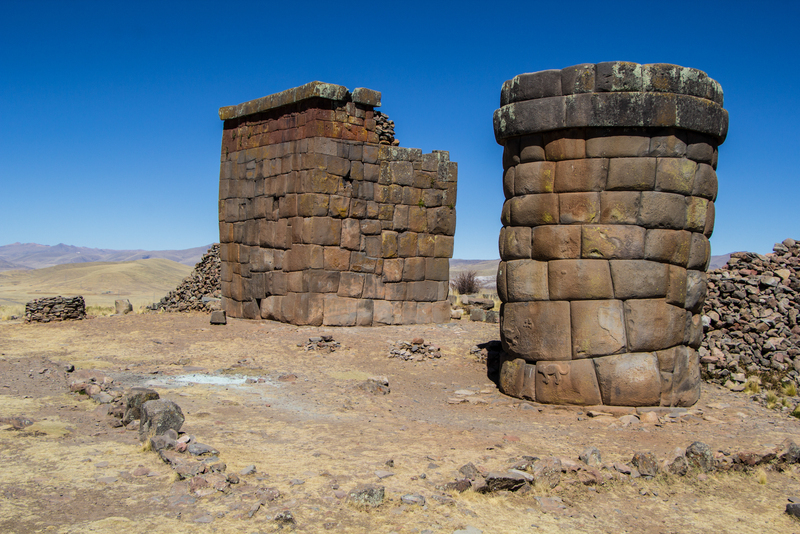
A remote archaeological site on a volcanic plateau, featuring monumental tombs and intricate petroglyphs that highlight Colla and Inca cultural influences.
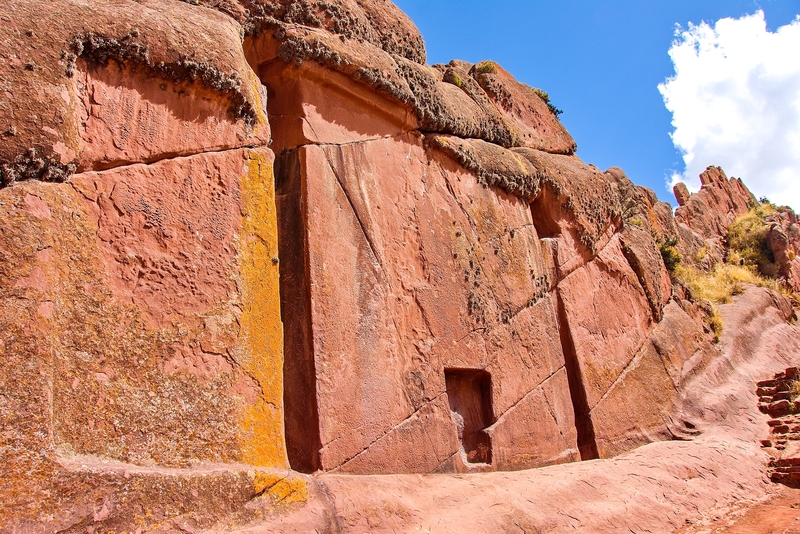
A mysterious rock-carved doorway said to be a spiritual portal. Local legends link it to Inca priests and otherworldly journeys, making it a place of mysticism and pilgrimage.
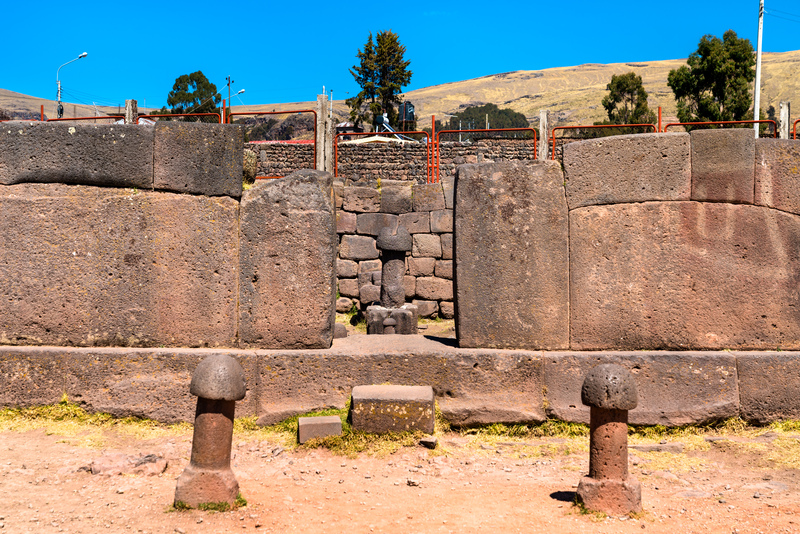
A small yet fascinating ceremonial site featuring carved stone phalluses, believed to have been used in fertility rituals tied to agricultural cycles.
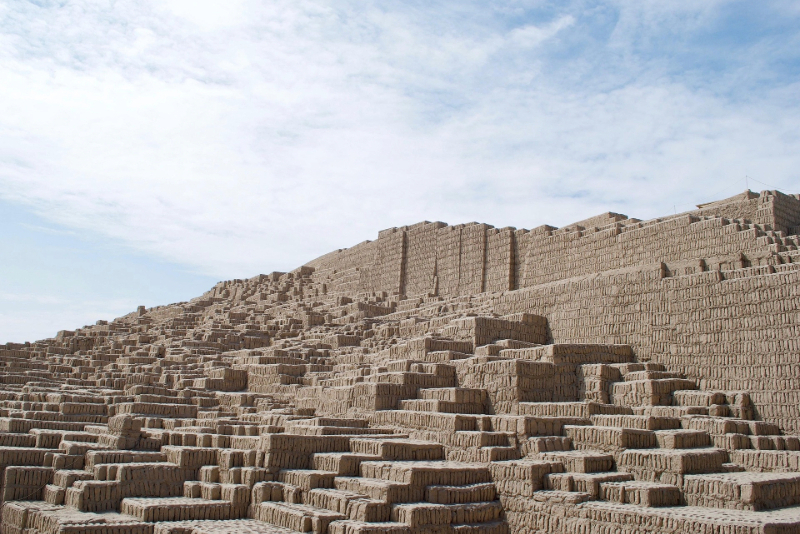
An adobe pyramid in Miraflores built by the Lima culture around 500 CE, featuring terraces, ceremonial plazas, and a museum showcasing pre-Inca life.
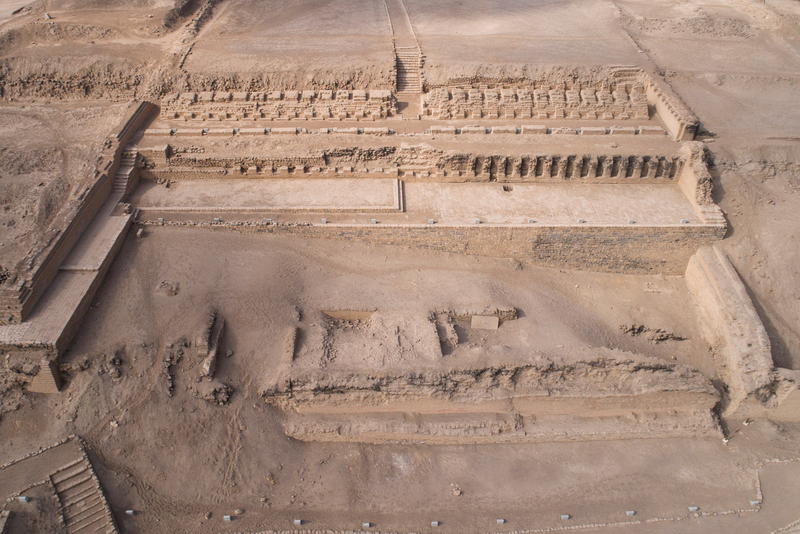
A major pre-Columbian sanctuary and pilgrimage site for over 1,000 years, featuring pyramids, temples, and plazas with panoramic Pacific Ocean views.
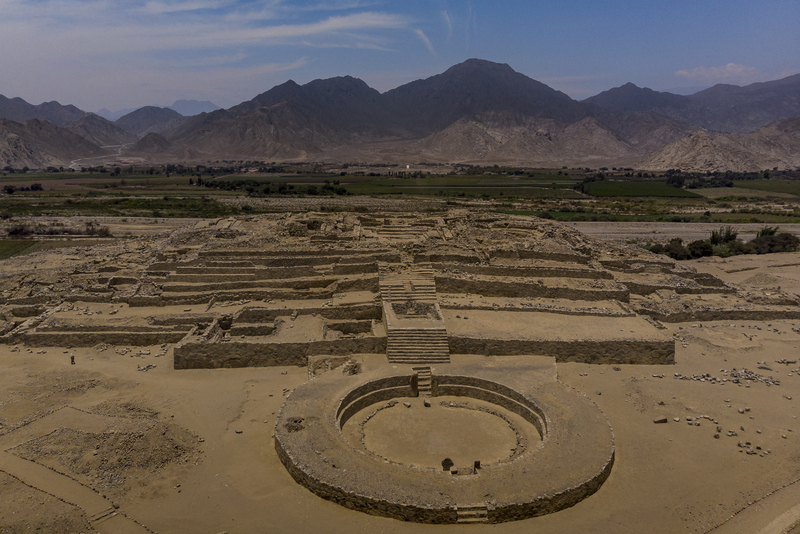
The oldest city in the Americas (c. 2600 BCE), featuring pyramids, plazas, and dwellings that reveal the remarkable Norte Chico civilization, just a day trip from Lima.
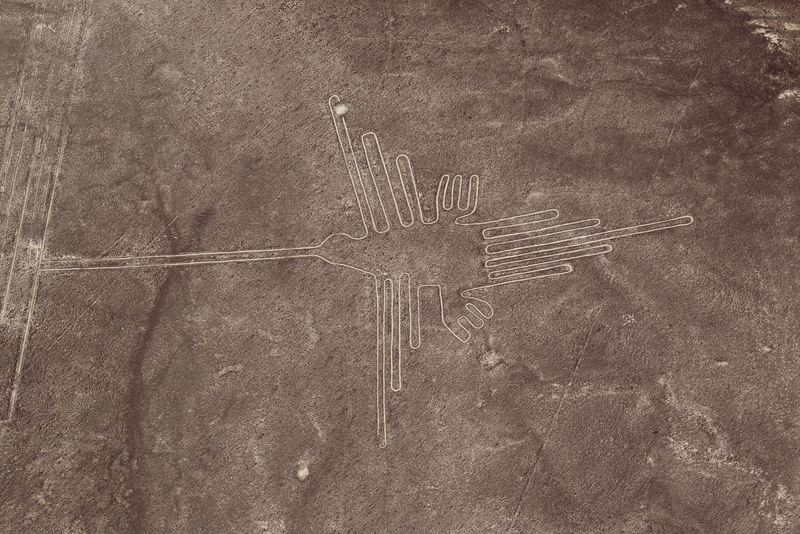
Enigmatic geoglyphs etched into the desert, depicting animals, plants, and geometric shapes, believed to hold astronomical and ceremonial significance.
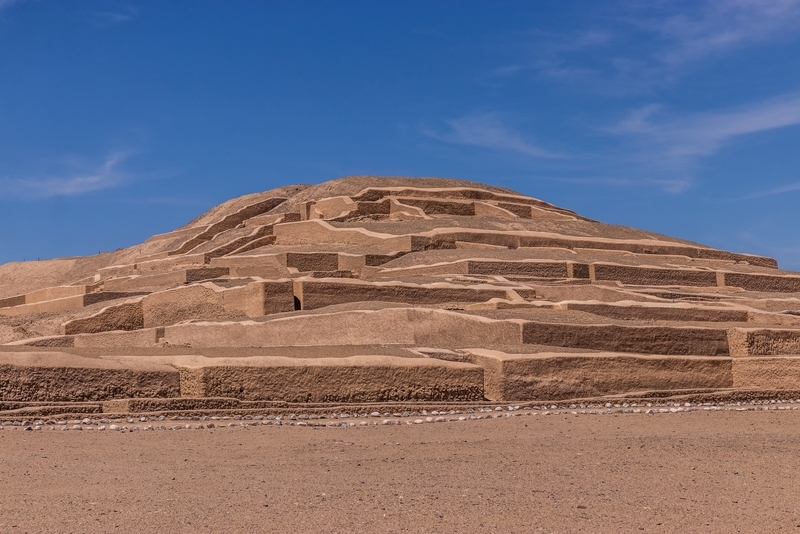
The largest ceremonial center of the Nazca culture, featuring adobe pyramids and plazas used for rituals and public gatherings.
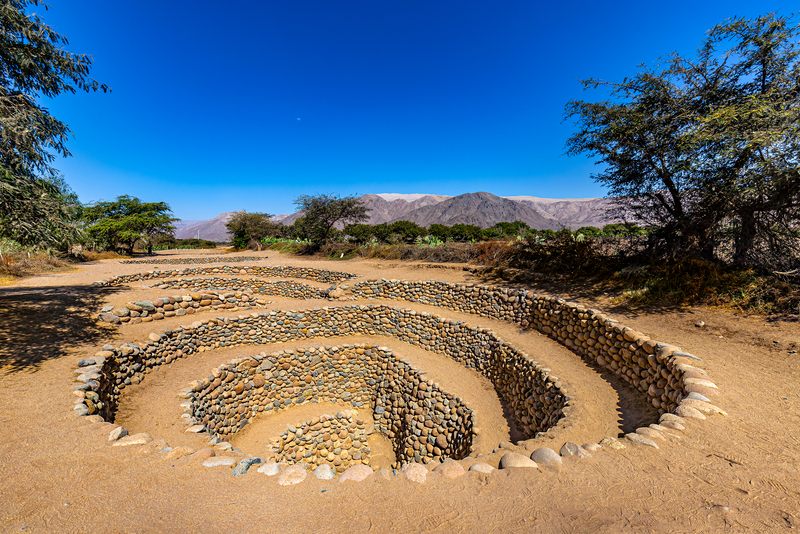
Ingenious underground aqueducts built by the Nazca to channel water in the arid desert, showcasing their hydraulic engineering skills.
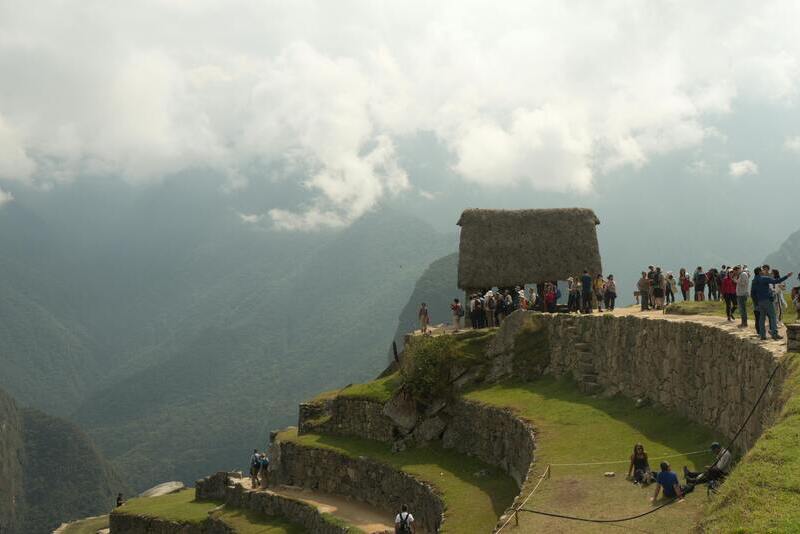
Best trekking conditions, clear skies, and stunning views, though it’s also the busiest time with higher crowds.
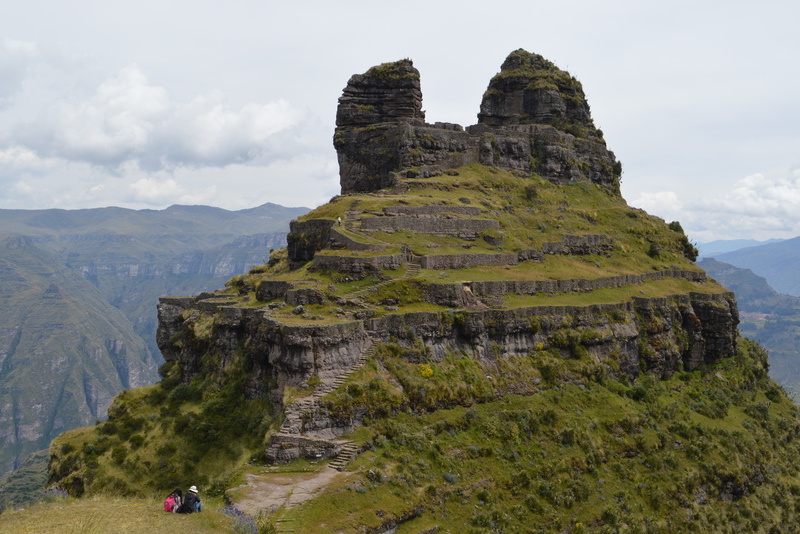
A great balance of pleasant weather, fewer visitors, and lush landscapes.
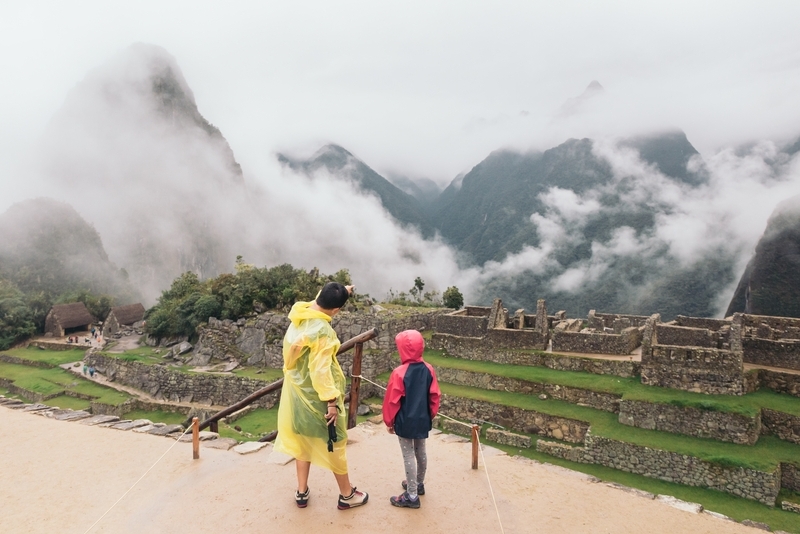
Expect heavy rains, slippery trails, and misty views. The Inca Trail closes in February for maintenance, though Machu Picchu remains open.
Follow these simple tips to stay comfortable, safe, and fully enjoy Peru’s incredible archaeological treasures.
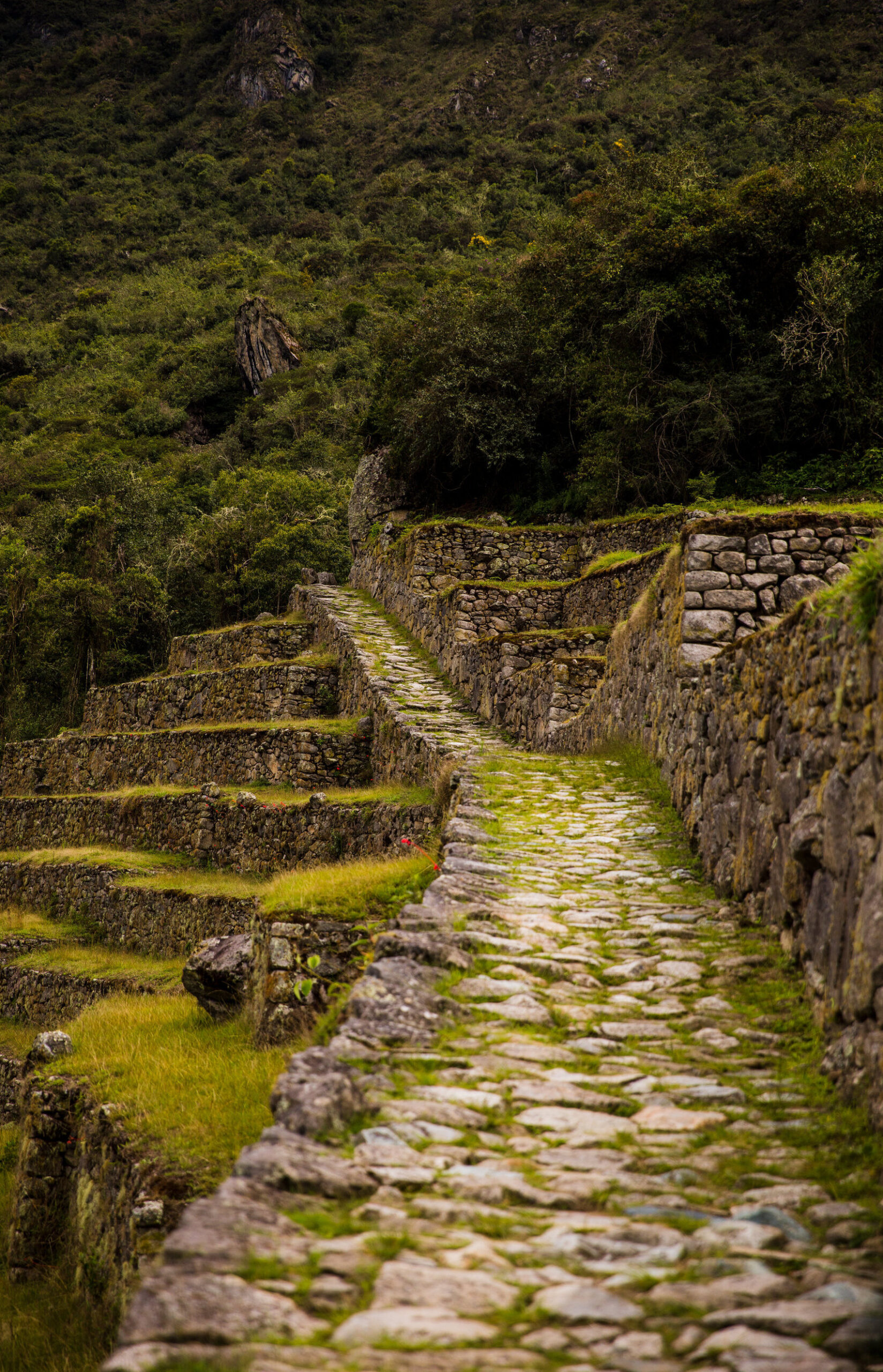
Dress Comfortably & Wear Sturdy Shoes
Exploring ancient ruins often involves uneven paths and steps. Bring breathable clothing, a light jacket, and comfortable walking shoes.
Stay Hydrated & Bring Snacks
Tours can last several hours, so keep water and light snacks handy to stay energized while discovering ancient sites.
Follow Your Own Pace
Archaeological tours are designed for all experience levels. Take your time, enjoy the stories behind each ruin, and ask questions along the way.
Pack Essentials
A small backpack with sunscreen, a hat, a camera, and perhaps a notebook will enhance your comfort and help you capture memories.
Altitude Awareness
Visiting high-altitude sites can feel different on your body. Listen to how you feel and move slowly—your guide will help you stay comfortable.
Your safety is our top priority while exploring Peru’s archaeological treasures.
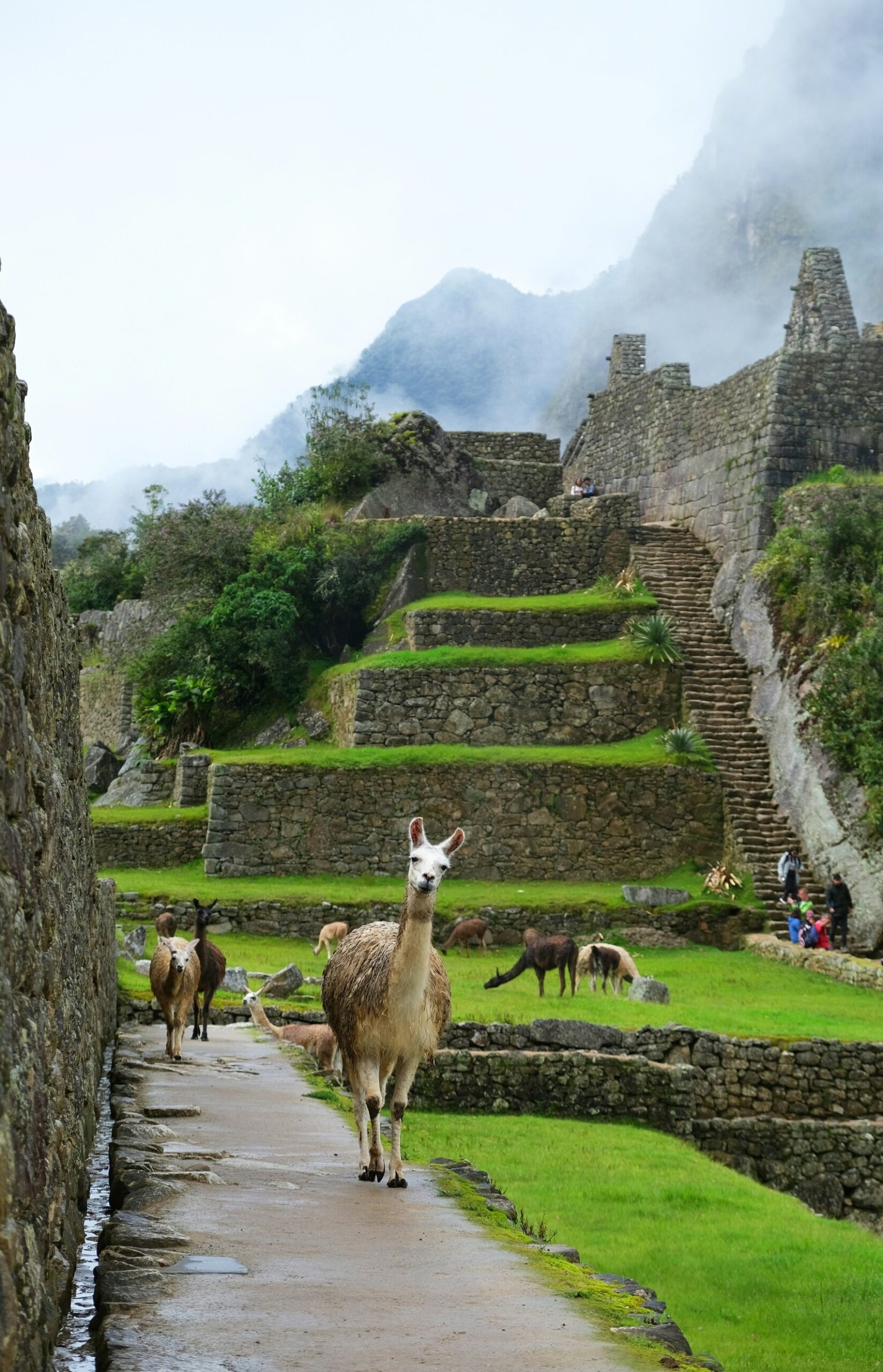
Certified Local Guides
All tours are led by experts who ensure safety and provide historical insights.
Site Rules & Preservation
Stay on marked paths and follow instructions to protect both yourself and the ruins.
Permits & Logistics Handled
We manage entry permits and local regulations so you can focus on exploring.
Emergency Preparedness
Guides carry first aid and are trained to respond to unexpected situations.
Small Groups & Focused Attention
Our small-group approach ensures personalized guidance and supervision at every site.
Customized Pacing
Tours are adjusted to match the group’s fitness level and energy, ensuring a safe, enjoyable experience.

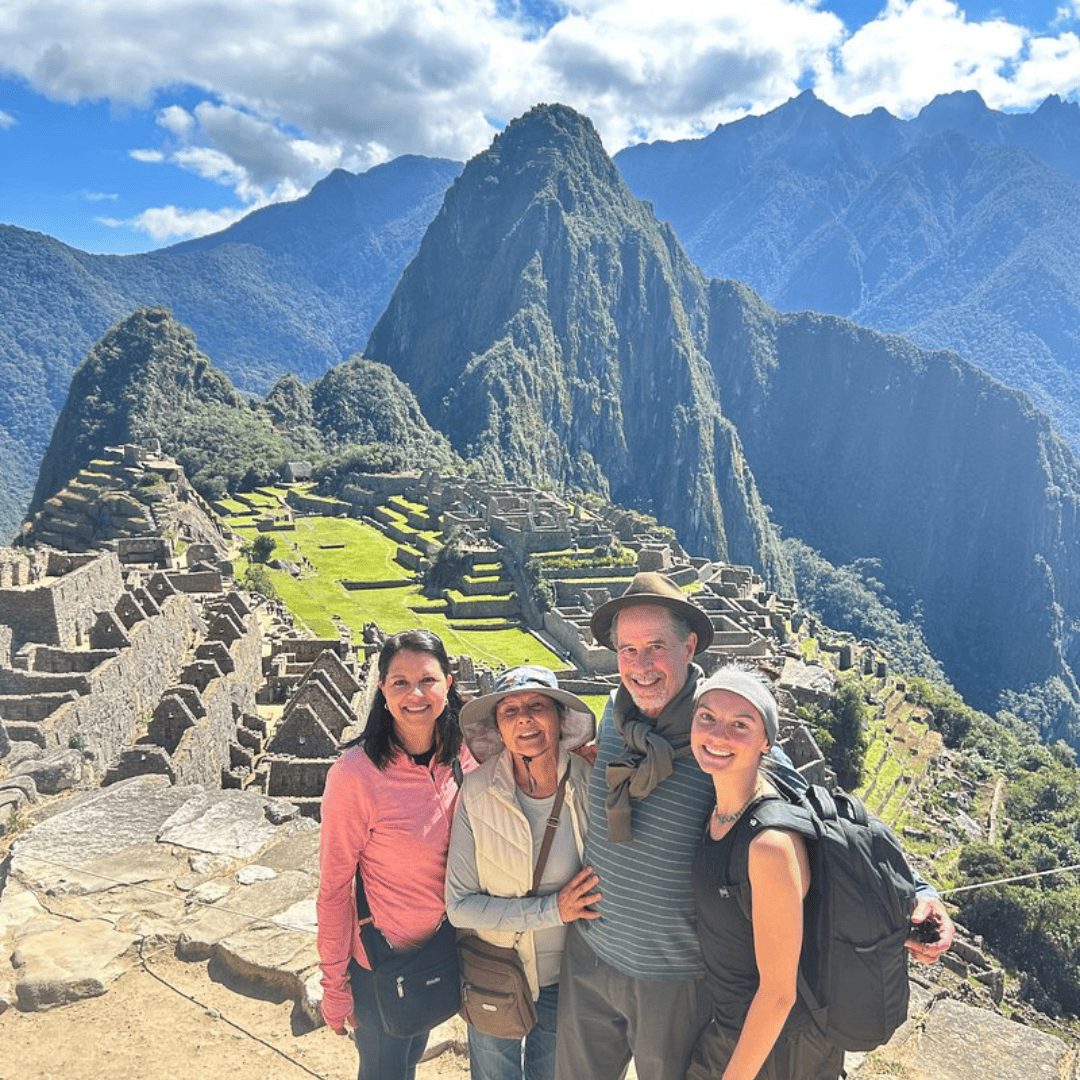

Our Machu Picchu tour with Cusco Native Tours was 100% amazing! Diego made everything go without a hitch, and Rumí was a phenomenal guide. One of our best travel experiences ever!


Cusco Native worked with us to plan a trip of a lifetime to Peru. If I could give more stars I would!
This trip exceeded every expectation I had and has genuinely become one of the greatest experiences of my life. A massive thank you to Javier and the entire team for creating memories that will stay with me forever.
The 4-day Inca Trail was fantastic! The cook spoiled us with delicious meals every day. The camping equipment, porter service, and guiding on the trail and at Machu Picchu were excellent.
Here are some of the most frequent asked questions about our archaeological tours:
To secure your spot at Peru’s most popular archaeological sites, like Machu Picchu, we recommend booking 3–6 months in advance. For other sites, 1–3 months ahead is usually enough. Early booking ensures permits, preferred dates, and a smooth, stress-free experience.
Yes, some sites require official permits. We take care of all permits and logistics so you can explore worry-free.
Absolutely. Many sites—including Machu Picchu, Cusco ruins, and the Sacred Valley—can be reached by train, bus, or short walks. Trekking is optional, not mandatory.
Yes! We create tailor-made itineraries for solo travelers, couples, families, and even large groups—ensuring your journey fits your interests, pace, and budget.
Many of our archaeological tours involve uneven paths, stairs, and rugged terrain, which can be challenging for some visitors. We recommend contacting our team in advance so we can suggest sites and itineraries that best suit your needs. Our goal is to ensure everyone enjoys a safe and memorable experience.
Yes! Our tours are designed for all levels. We tailor the pace and provide guidance so everyone can enjoy the ruins safely and comfortably.
Yes! Our tours accommodate a wide range of ages. We adjust pace and logistics to ensure safety and enjoyment for everyone.
Choosing us ensures a safe, seamless, and enriching experience. Our certified local guides reveal the cultural significance of each site, while our dedicated team handles all permits and planning. This way, you can fully immerse yourself in Peru’s archaeological treasures without worrying about logistics, timing, or access.

Personalized tours to Machu Picchu and other iconic destinations, handcrafted by passionate local experts.


© 2025 Cusco Native Tours. All rights reserved.